Heavy jet
A broad charter category for large-cabin aircraft. Published examples span different ranges, seating plans, baggage capacity, and airport requirements.
Analytics and ads measurement are optional, separate choices. Personalized ads stay off.Google Analytics is optional. Accepting lets us measure page use and successful quote requests without contact details. Ads measurement is a separate choice: it lets Google connect ad clicks to successful requests using advertising cookies and click IDs. Personalized ads remain off. Read our privacy policy.
Compare heavy, large-cabin and long-range jet charter fit, seating, baggage, airport needs and trip-specific quote factors.
Heavy jet charter covers large-cabin aircraft considered for longer domestic and international missions, substantial baggage, multiple cabin zones, and added range margin. Large jet, long-range, and ultra-long-range are overlapping market labels, not universal certification or performance standards.
Compare the actual aircraft, approved seat map, cabin and baggage plan, airports, operating carrier, and written terms for the trip.
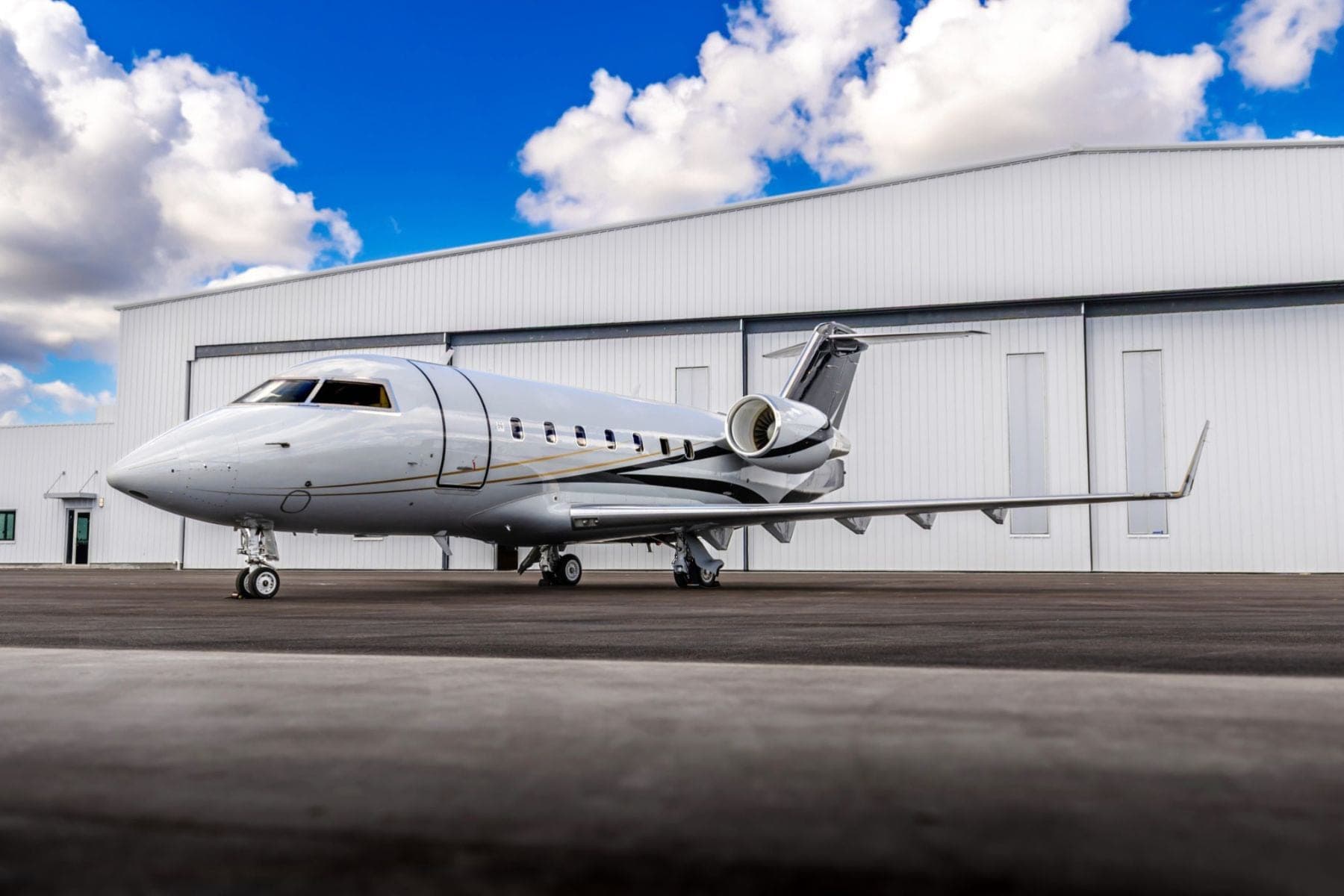
11 pax · 4,000 nm
Aircraft-family 3D reference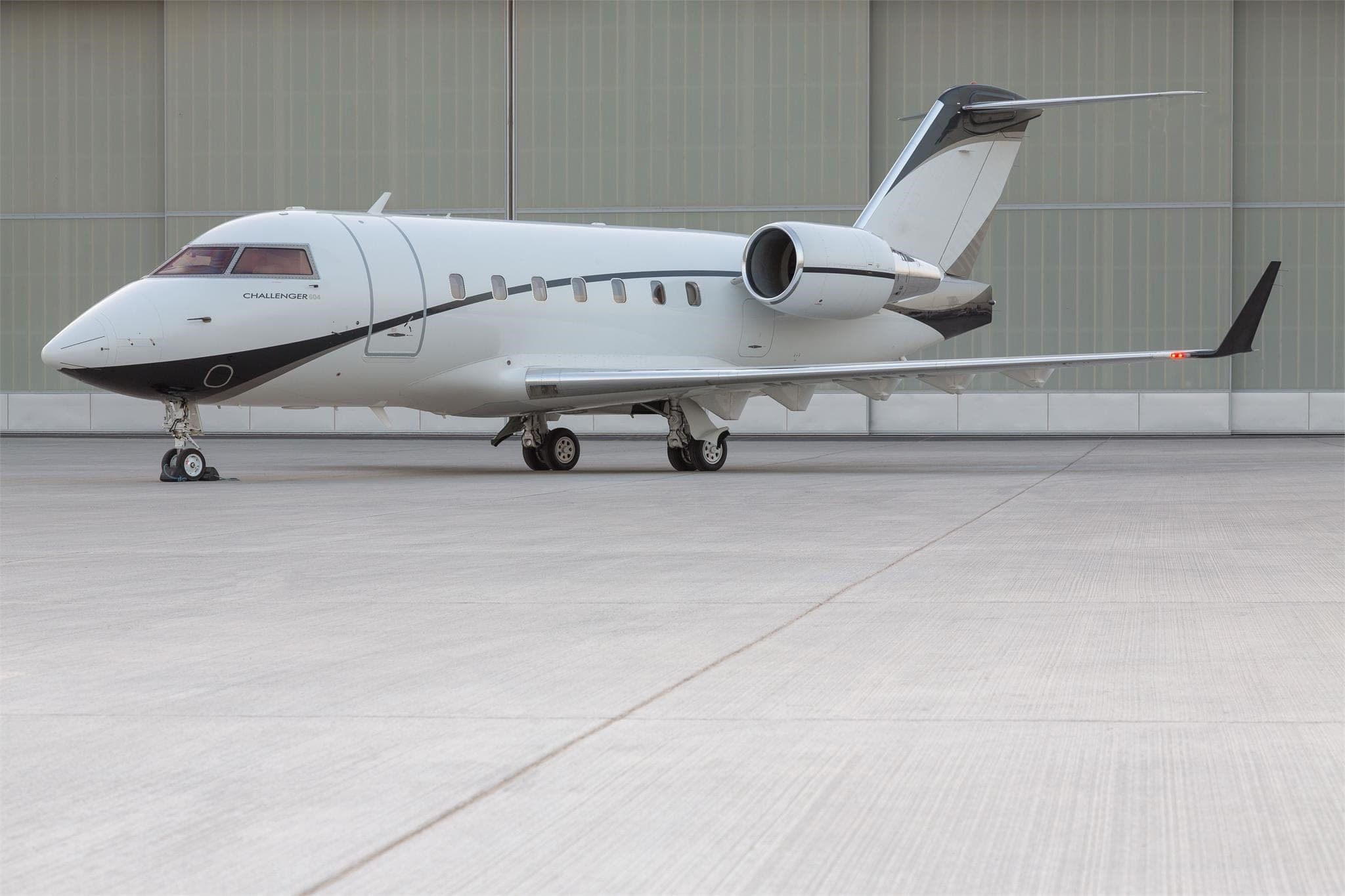
9 pax · 4,000 nm
Aircraft-family 3D reference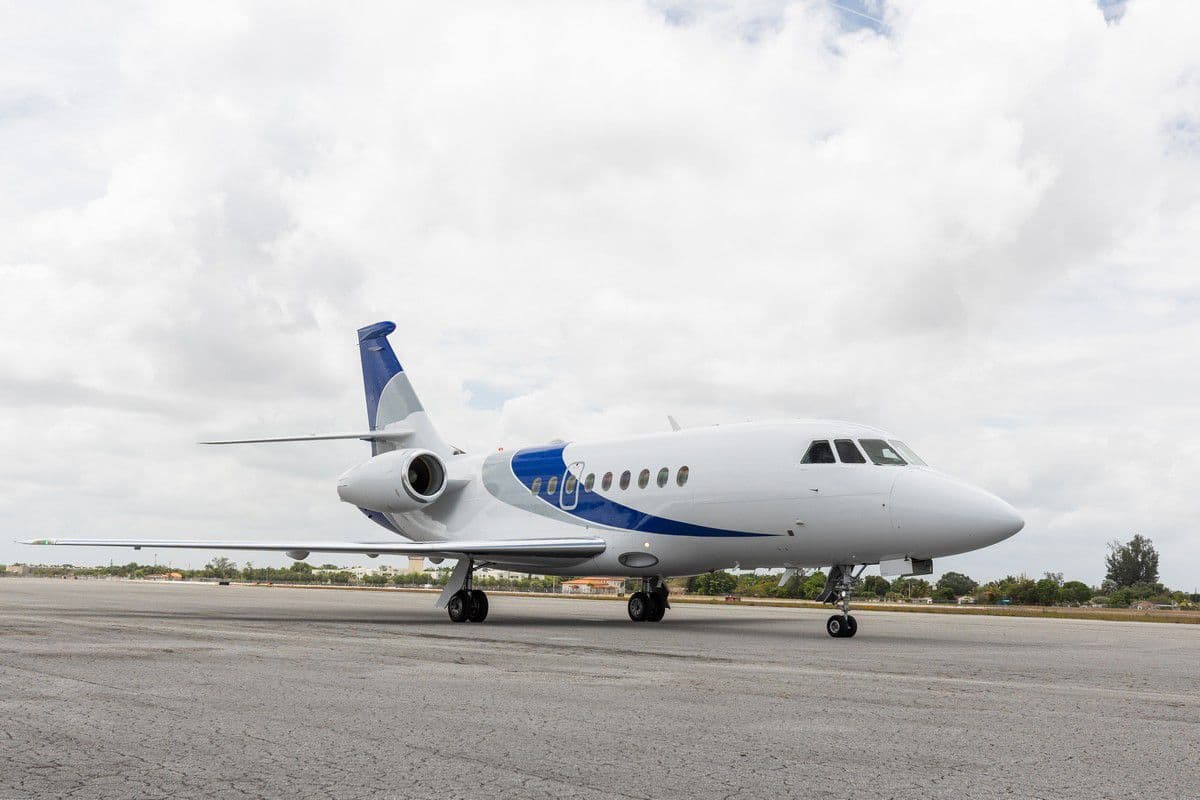
10 pax · 3,800 nm
Aircraft-family 3D reference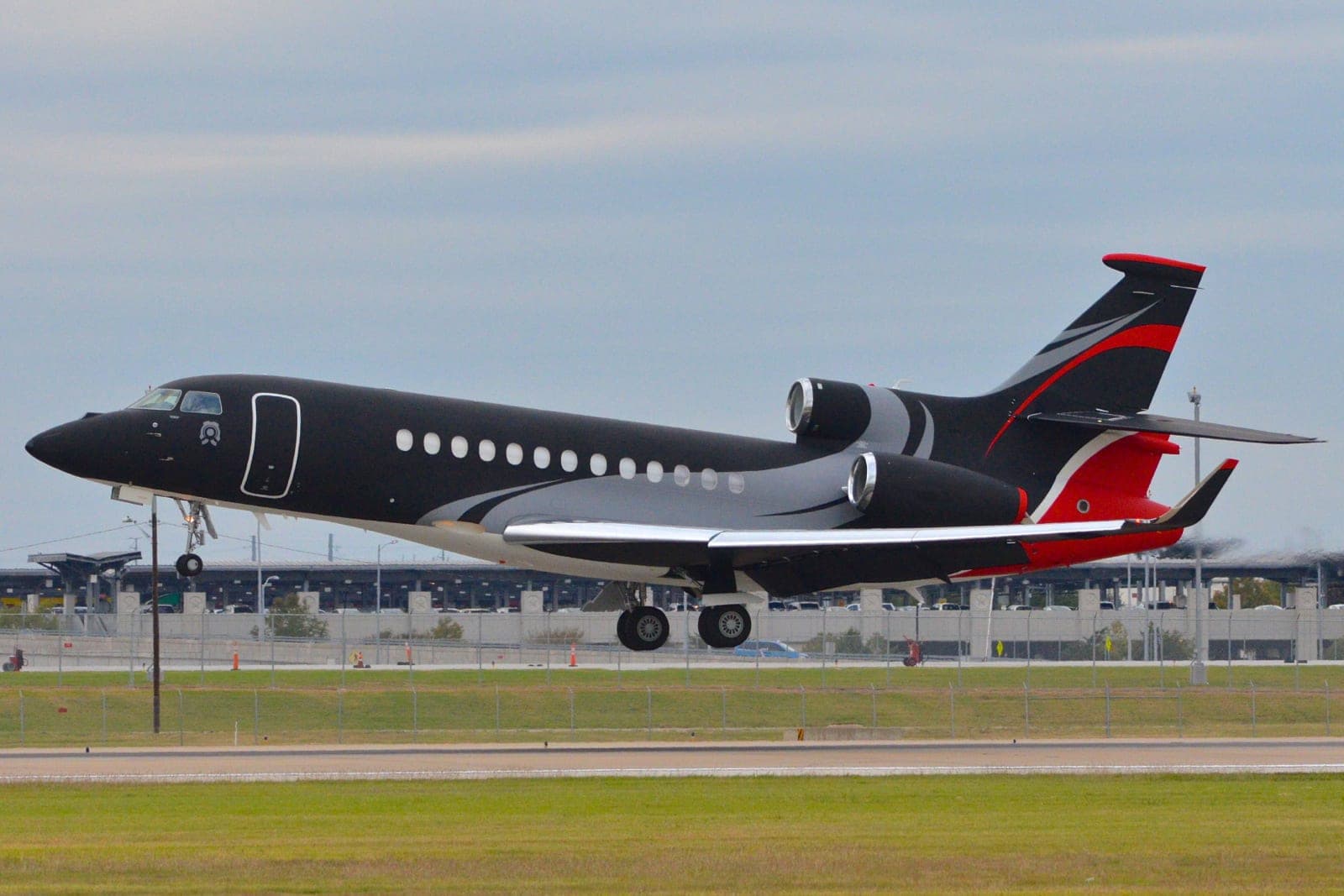
11 pax · 5,950 nm
Model-matched 3D tour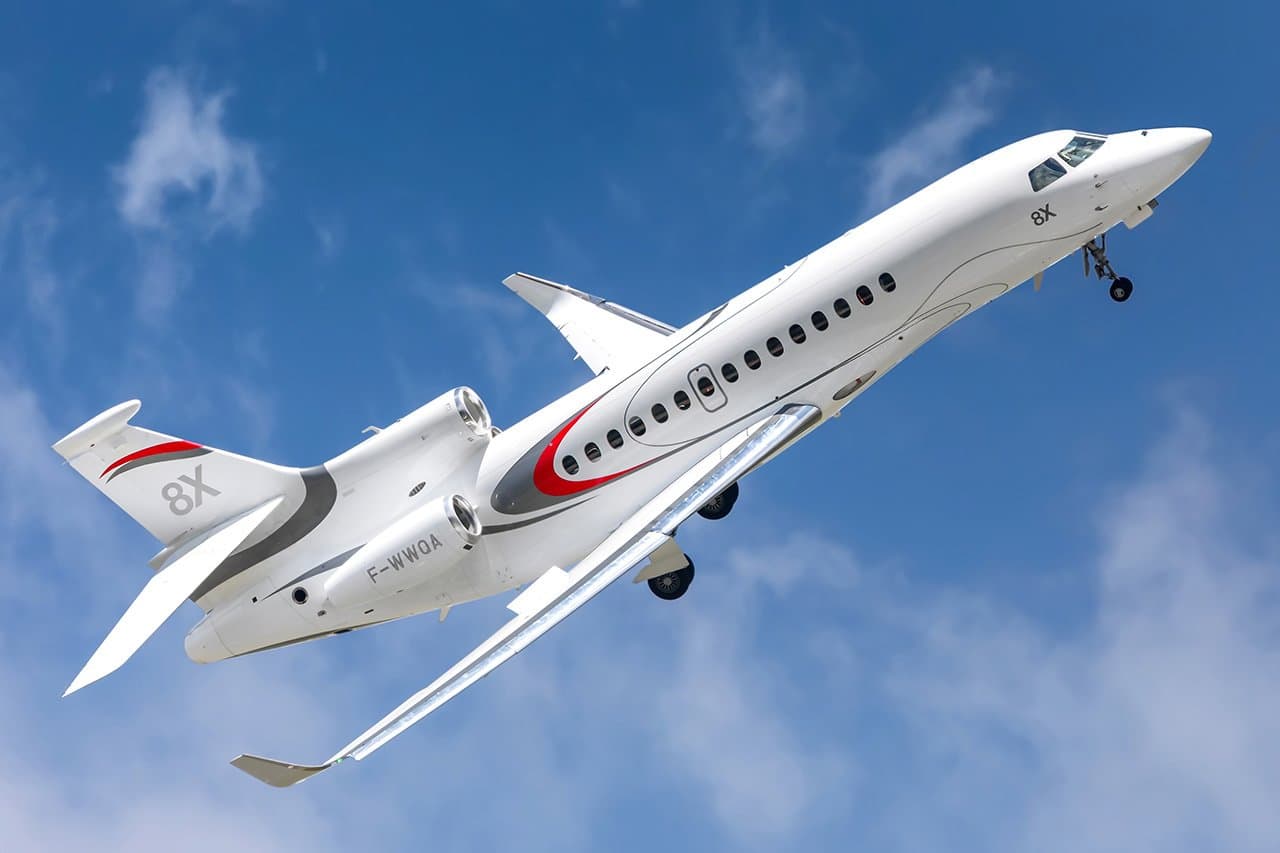
16 pax · 6,450 nm
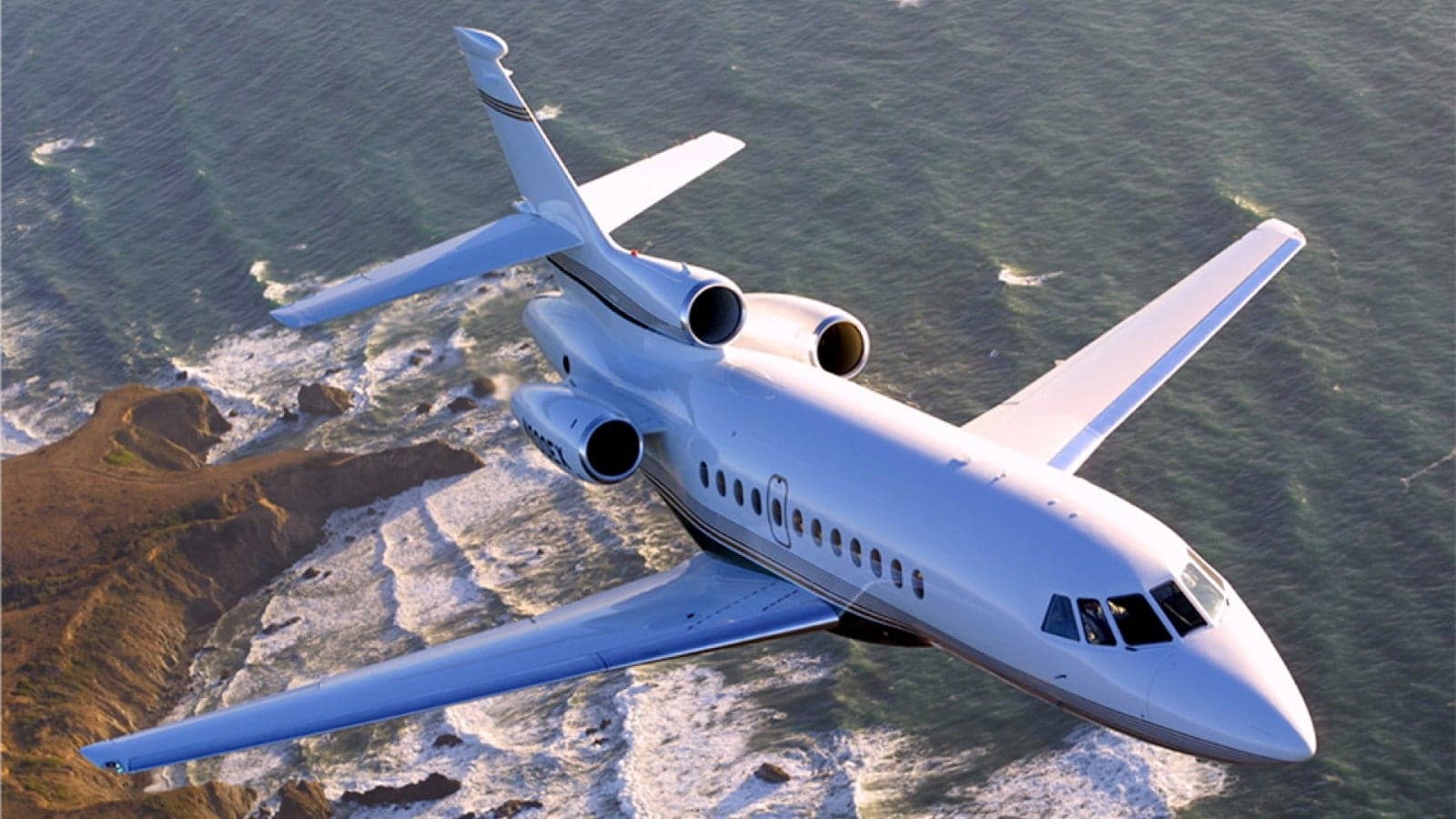
14 pax · 4,550 nm
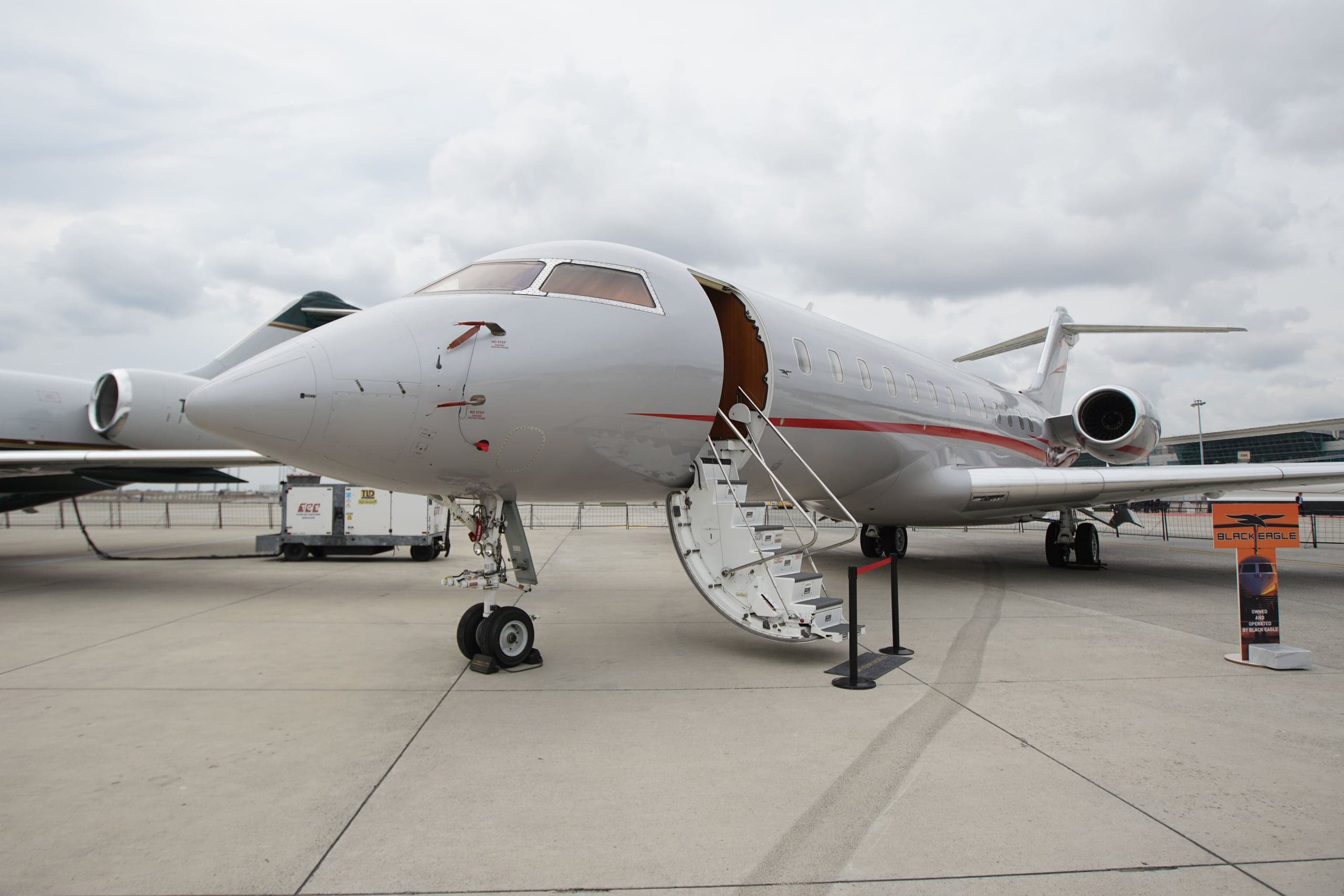
17 pax · 5,200 nm
Model-matched 3D tour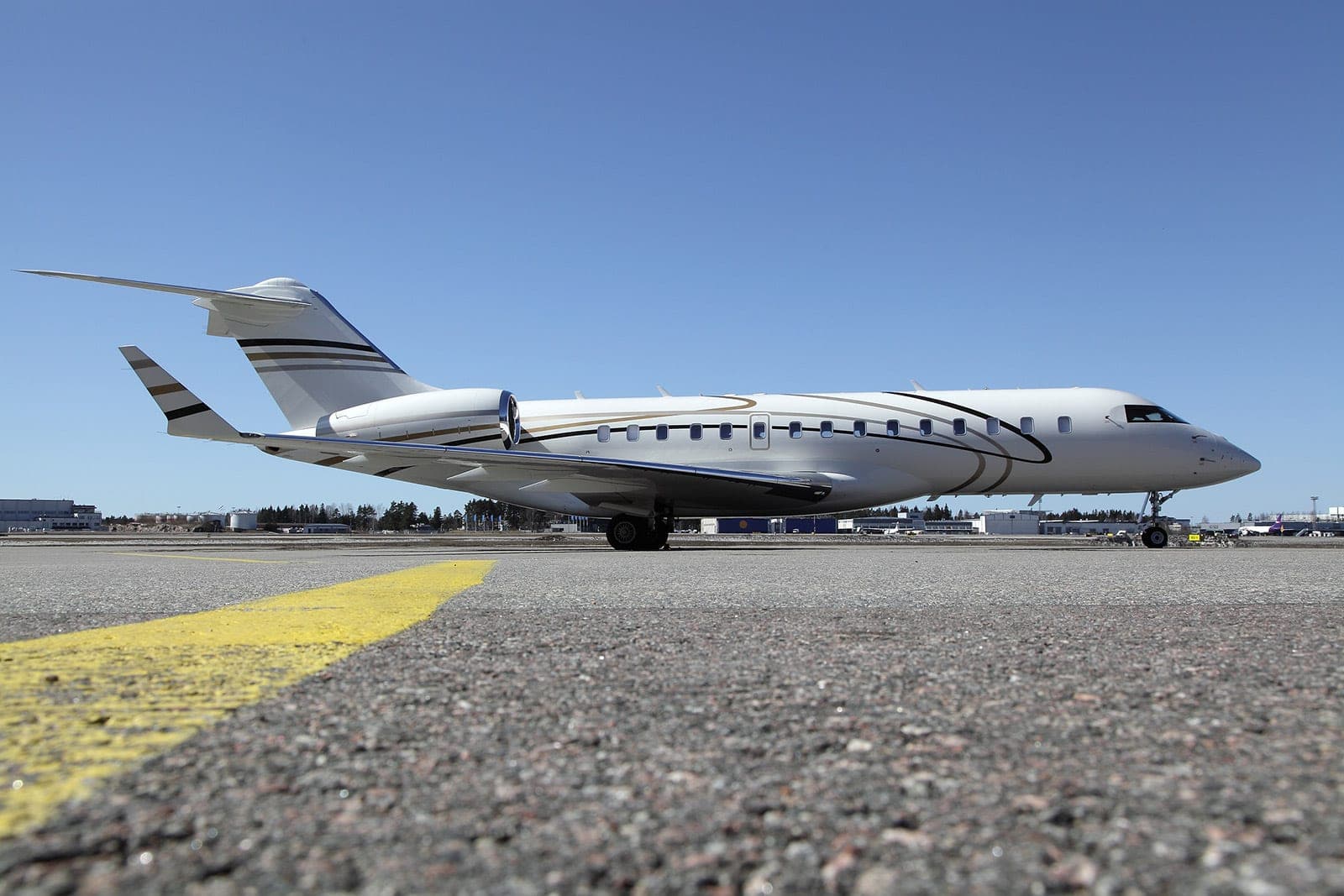
13 pax · 5,436 nm
Model-matched 3D tour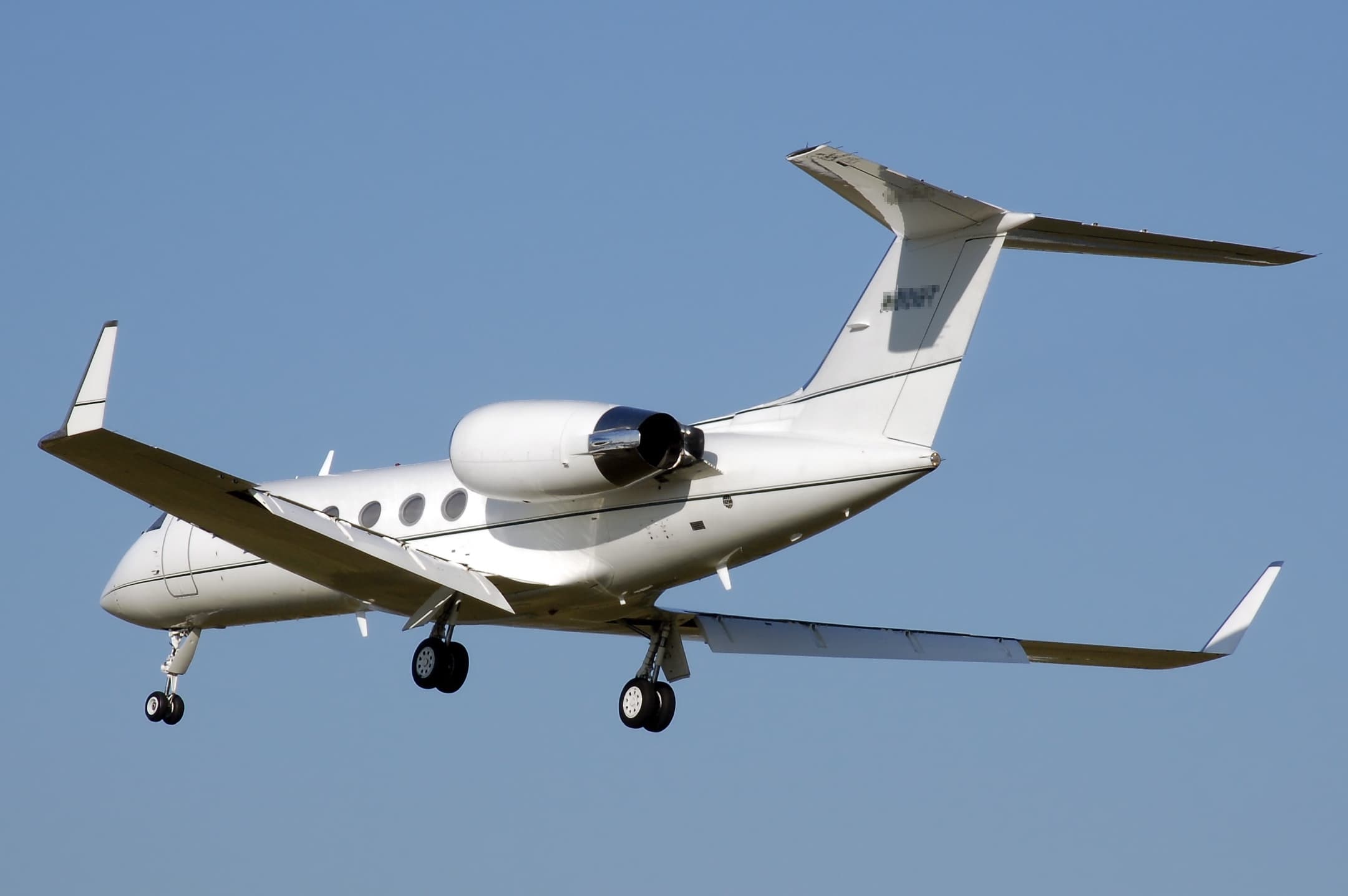
16 pax · 4,350 nm
Model-matched 3D tour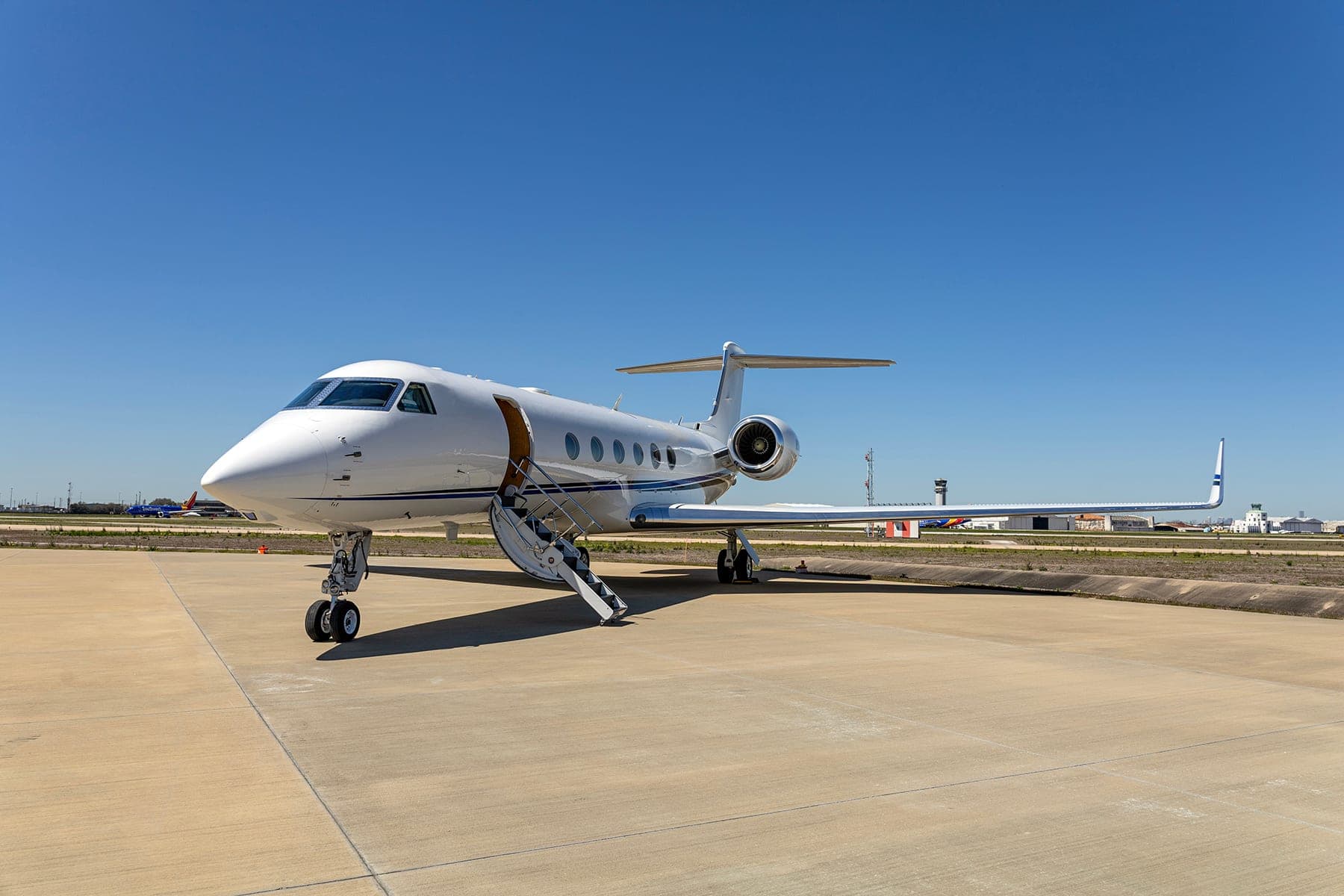
16 pax · 5,800 nm
Model-matched 3D tour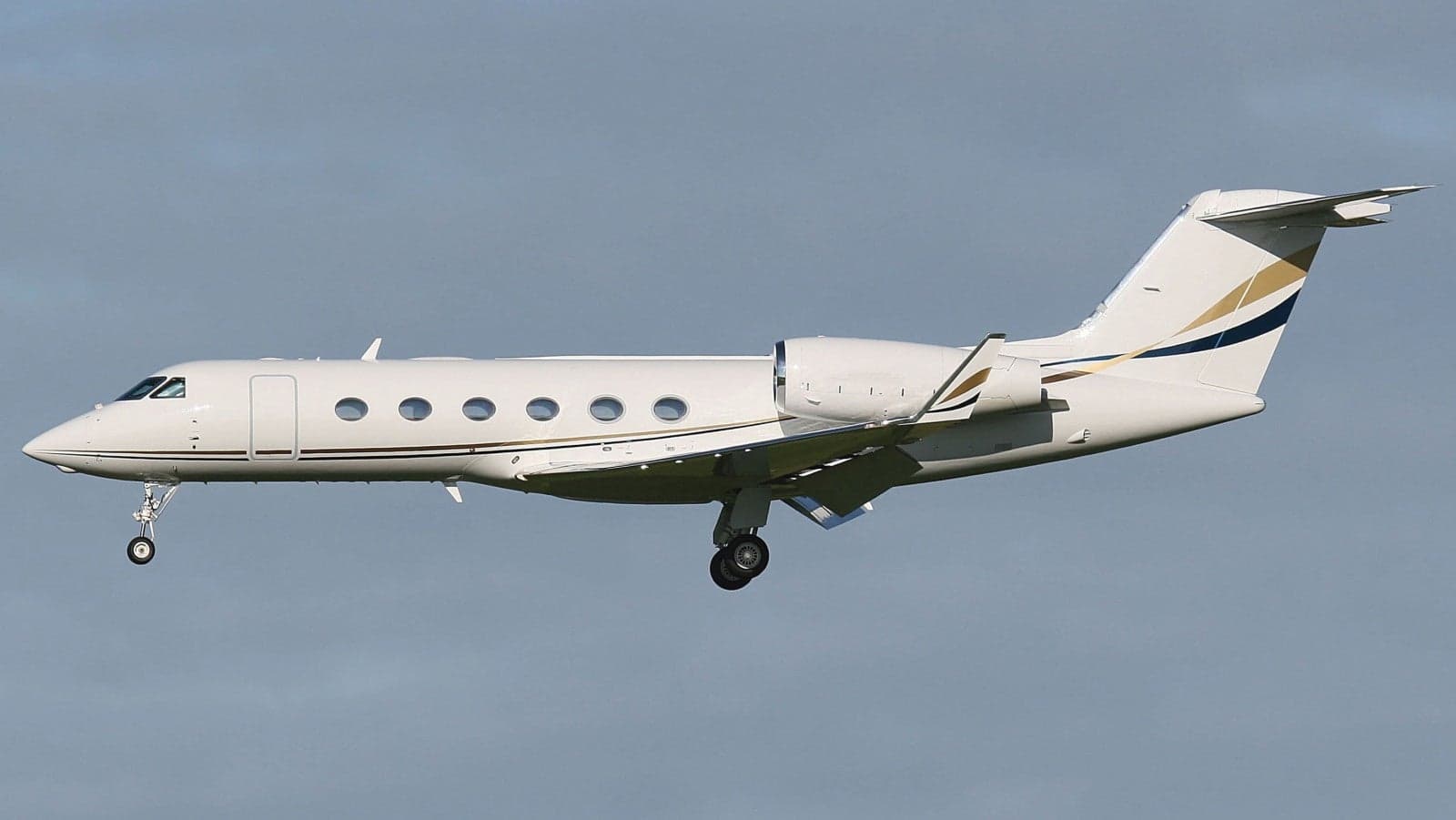
14 pax · 4,350 nm
Model-matched 3D tour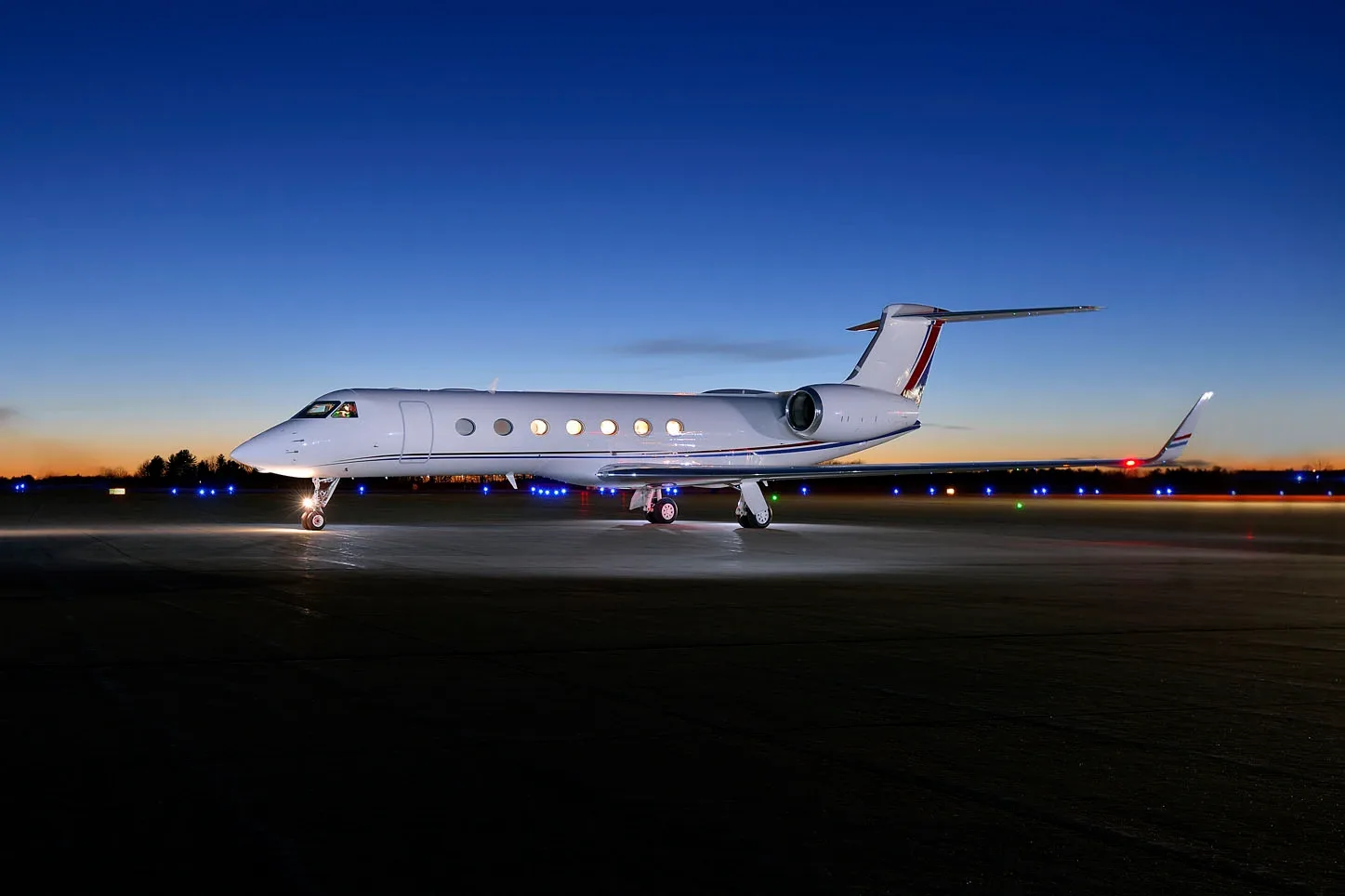
16 pax · 6,750 nm
Model-matched 3D tour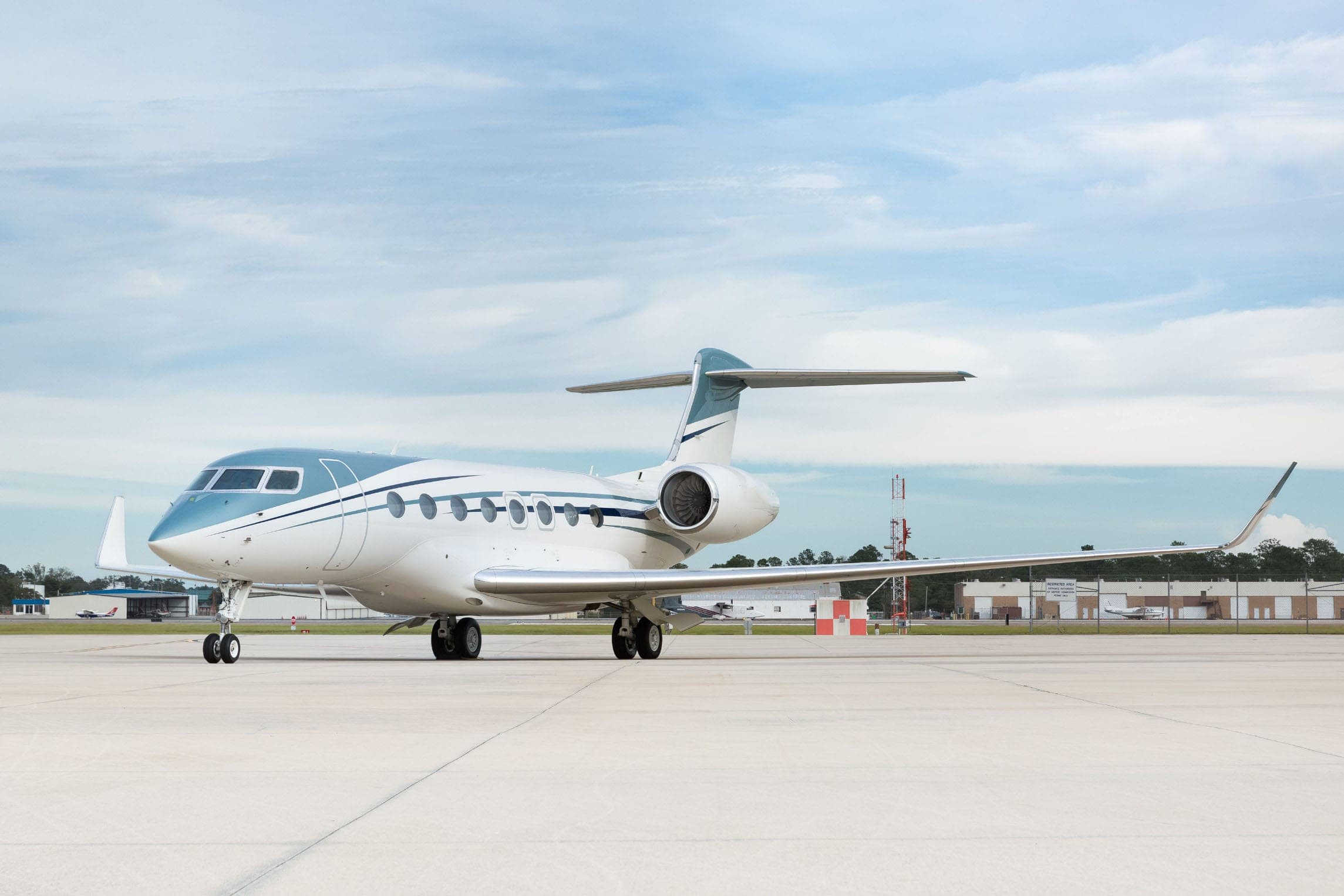
16 pax · 7,000 nm
Model-matched 3D tour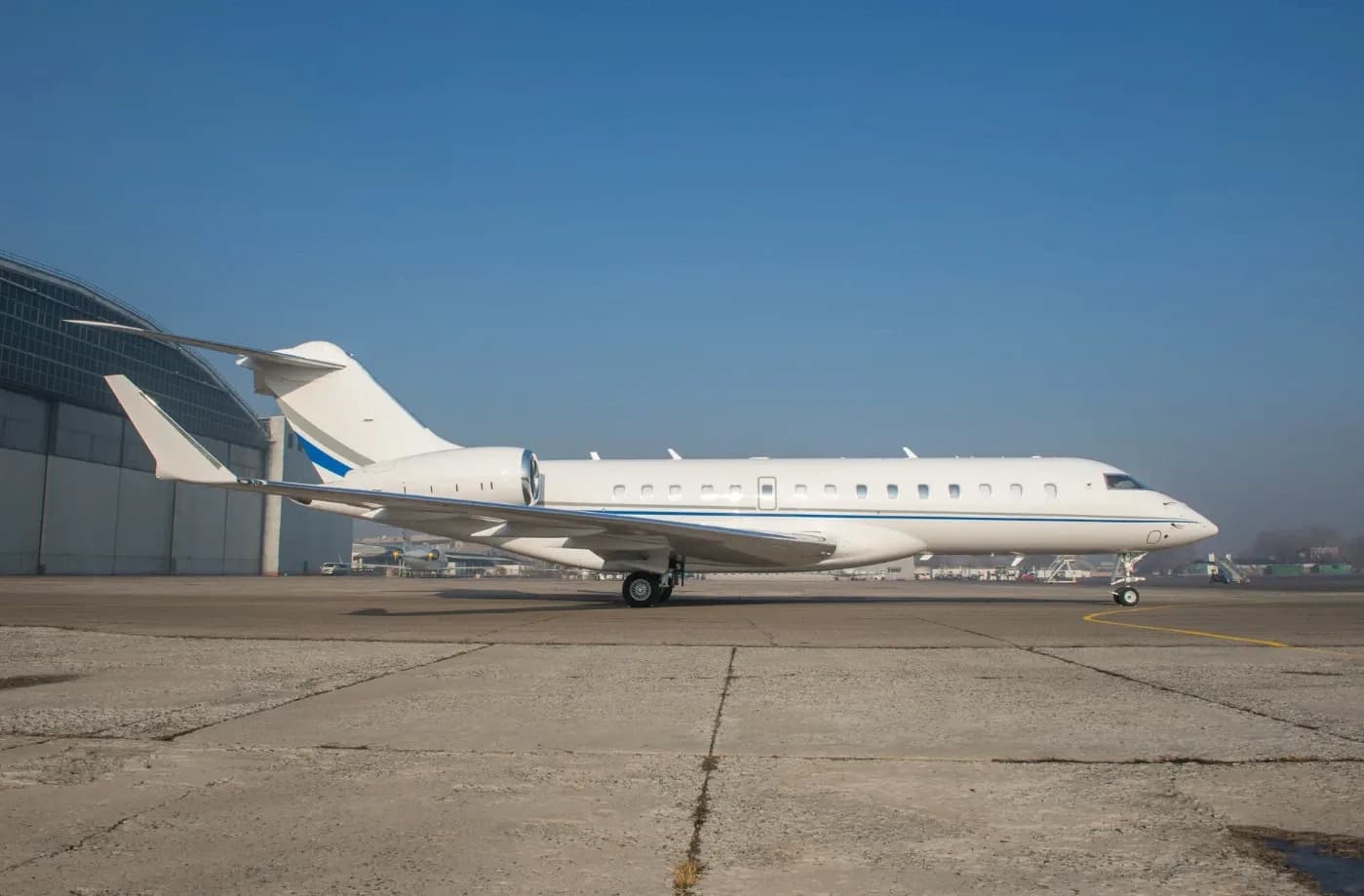
13 pax · 6,000 nm

14 pax · 7,700 nm
Model-matched 3D tour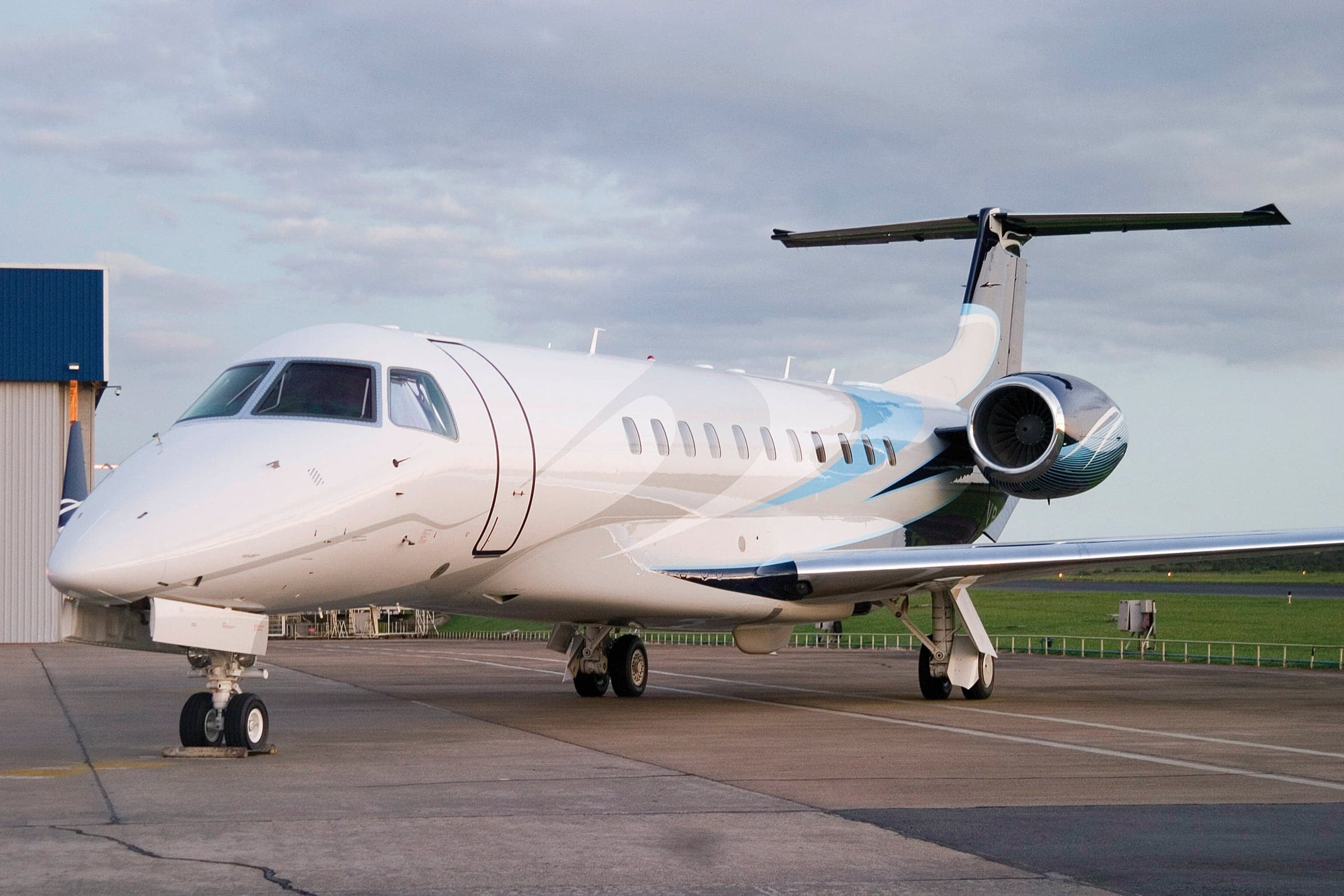
13 pax · 3,500 nm
Model-matched 3D tourAircraft decisions
Review model-level cabin, performance, baggage, pricing-basis and mission differences before requesting trip-specific options.
Long-range, intercontinental, and larger-party missions where cabin configuration and baggage capacity matter.
Model range examples
3,500-7,700 nm
Published model seating
9-17 published seats
Cabin profile
Large stand-up cabin, lie-flat capable seating on many platforms
Heavy Jet pricing is trip-specific and requires a written proposal. Only a current written proposal confirms the aircraft, direct carrier, inclusions, conditional charges and total trip price. See the pricing methodology and calculator for context.
Heavy jet charter provides on-demand access to large-cabin aircraft for longer domestic or international missions, substantial baggage, and trips that benefit from more usable cabin space, multiple zones, or added range margin. Shoppers may also call this the large jet, large-cabin, long-range, or ultra-long-range charter category, but those market labels overlap and are not universal certification, cabin, or performance standards.
The category can fit parties that need space to work, dine or sleep, including some 10–16-passenger requests. Published maximum seating is not the same as the approved seat map on the aircraft offered, so cabin zones, baggage, airports, payload and every requested feature must be checked for that trip.
Jet Partners arranges and compares trip-specific proposals from properly licensed direct air carriers. The proposed aircraft, approved configuration, operator, route, terms and total are confirmed in writing; no category label guarantees availability or nonstop capability.
Page reviewed . Published specifications are planning references; the proposed aircraft documents and direct carrier determine the accepted trip.
Heavy jet is a charter-market comparison category rather than a single certification, cabin or performance standard. The Jet Partners directory brings together established and newer large-cabin families from Bombardier, Dassault, Embraer and Gulfstream, including Challenger, Falcon, Global, Legacy and Gulfstream aircraft with materially different production histories, layouts and mission profiles.
That breadth is useful when chartering: travelers can compare cabin zones, baggage access, airport requirements, range margin and total trip economics instead of assuming every aircraft carrying the heavy-jet label is interchangeable. The individual aircraft's year of manufacture, refurbishment history, approved seating configuration, installed equipment and maintenance status should be reviewed in the direct carrier's trip-specific proposal.
Heavy-jet charter grew from long-serving large-cabin families such as the Challenger 600 and 604, Falcon 900, Gulfstream IV and V, and Legacy 600 into a market that now also includes ultra-long-range designs with more cabin zones and advanced flight decks. Bombardier's environmental declaration records Global 7500 certification in September 2018, while current Gulfstream G650ER and Dassault Falcon 8X references illustrate how later programs combine high-speed cruise, long cabins and modern avionics.
The category includes mature airframes, later variants and newer designs. Compare cabin experience, runway and routing needs, schedule resilience and range margin. Then review the age, refurbishment and equipment of the actual aircraft offered. A newer model is not automatically a better fit for every mission.
Heavy-jet cabins are designed around time spent aboard, often pairing club seats and side-facing divans with conference or dining groups, enclosed lavatories, work surfaces and a galley or refreshment center, although the arrangement varies by model and completion.
Representative factory dimensions show how cabins vary. The Gulfstream G650ER reference cabin is 46 feet 10 inches long, 8 feet 2 inches wide and 6 feet 3 inches high. It has 2,138 cubic feet of cabin volume and 195 cubic feet of baggage capacity.
The Falcon 8X reference cabin is 42 feet 8 inches long, 7 feet 8 inches wide and 6 feet 2 inches high. It has 1,695 cubic feet of cabin volume and 140 cubic feet of baggage capacity.
Manufacturer references for the G650ER and Global 7500 allow configurations up to 19 passengers; offered charter layouts are commonly lower and must be confirmed from the approved seat map.
Ergonomic individual seats, large windows, adjustable lighting, dining tables, power, cabin controls, connectivity and crew-rest features can support productivity and rest, but Wi-Fi capability, sleeping positions, galley equipment, accessible in-flight baggage and every requested amenity remain tail-specific.
Published heavy-jet performance spans distinct mission profiles and must be read with the manufacturer's test conditions intact. Current range references include 4,000 nautical miles for the Falcon 2000LXS, 6,450 for the Falcon 8X, 7,500 for the Gulfstream G650ER and 7,700 for the Global 7500. The G650ER and Global 7500 also publish maximum operating speeds of Mach 0.925. Recommended or long-range cruise settings differ.
Engine and flight-deck architecture likewise varies: the G650ER pairs Rolls-Royce BR725 engines with PlaneView II avionics, the Falcon 8X uses three Pratt & Whitney Canada PW307D engines with the EASy IV cockpit, and the Global 7500 uses GE Passport engines.
Bombardier's Smooth Flĕx Wing and Dassault's digital flight-control system illustrate design features intended to support ride quality and mission efficiency. No brochure figure guarantees a real itinerary. Aircraft configuration, payload, winds, weather, routing, runway performance, temperature, reserves and crew requirements remain part of the direct carrier's operating decision.
A heavy jet is commonly evaluated for transcontinental or intercontinental travel, larger parties, substantial baggage, multiple cabin zones and itineraries where added performance margin may be useful. Start with exact airports: runway length, temperature, elevation, parking, curfews, handling and permit constraints can change the suitable aircraft or routing.
Give the passenger count and request the approved seat map for the aircraft offered. Manufacturer maximum configurations may not match a charter interior. Describe bag dimensions and volume, skis or golf equipment, pets and mobility equipment, and ask whether the planned baggage compartment is accessible in flight.
Compare cabin height and width, usable zones, conference or dining setup, sleeping positions, lavatory and galley. Wi-Fi system, coverage, power outlets and other amenities are tail-specific and require written confirmation. Payload, winds, weather, routing, temperature, reserves, permits and crew duty can change nonstop feasibility.
Pricing is itinerary-specific and requires a written proposal. Aircraft positioning, schedule, billable time, deicing, international handling, permits, taxes, fees and requested amenities shape the written trip total. Review the methodology on /pricing, then compare the identified aircraft, properly licensed direct carrier, inclusions, conditional charges and terms in the proposal.
Heavy jet charter is an on-demand booking category for large-cabin aircraft commonly evaluated for longer-range, transcontinental, intercontinental, or larger-party missions. It is not one standardized cabin or performance promise. Seating, sleeping arrangements, baggage access, connectivity, galley, lavatory, and flight-attendant service vary by the aircraft actually proposed.
Start with the complete mission: every airport and date, passenger count, baggage, pets, mobility or medical equipment, preferred cabin layout, and whether a nonstop itinerary is important. The operating carrier must confirm aircraft suitability, payload, runway performance, routing, schedule, and any technical stop for the requested trip.
Jet Partners is a charter services arranger, not a direct air carrier. A properly licensed direct air carrier identified in the written proposal operates the flight, retains operational control, and makes final safety and operational decisions.
Charter-market labels overlap, and individual aircraft differ materially. Treat each label as a research shortcut, then compare mission need, cabin zones, baggage, runway and airport fit, range margin, and the trip-specific total—not prestige.
A broad charter category for large-cabin aircraft. Published examples span different ranges, seating plans, baggage capacity, and airport requirements.
A cabin-focused term often used for the same general market. It describes space, not a guaranteed number of seats, beds, zones, or amenities.
A range-focused segment within the broader large-cabin market. Compare usable cabin zones, baggage, airport fit, range margin and the trip-specific total; brochure range does not confirm a real itinerary.
The best comparison starts with mission requirements, not an aircraft badge. Use these six checks before accepting a proposal.
Check 1
Evaluate payload, winds, weather, routing, temperature, reserves, permits, crew duty, and whether a technical stop may be needed.
Check 2
Confirm the proposed seat map for the traveling party instead of relying on a model-family maximum.
Check 3
Ask for the actual cabin zones, sleeping arrangement, lavatory, galley, power, and connectivity details that matter to the trip.
Check 4
Give bag dimensions and disclose skis, golf equipment, pets, mobility devices, or medical equipment; ask whether baggage is accessible in flight.
Check 5
Exact airports can change the aircraft choice because runway, temperature, parking, operating-hour, handling, or permit constraints vary.
Check 6
Review the identified direct carrier, proposed aircraft, schedule, cancellation terms, taxes, fees, and requested services before acceptance.
Heavy Jet pricing is itinerary-specific. A useful proposal should make the aircraft, operating carrier, pricing components, and written terms clear enough to compare.
Use route pages to frame airport and mission questions. Nonstop feasibility, aircraft, and schedule remain subject to direct-carrier review for the requested trip.
Compare airport, timing, and potential nonstop planning for a core transatlantic mission.
Review route planningReview a longer Midwest-to-UK mission and the aircraft factors that affect the plan.
Review route planningEvaluate South Florida departure choices, payload, routing, and long-range cabin needs.
Review route planningExplore an extended long-range itinerary where payload, winds, and technical-stop planning matter.
Review route planningThis profile was reviewed September 7, 2026 using the sources below. They include manufacturer, regulator, operator-provided and other technical references. Performance and cabin figures are planning references. The proposed aircraft records and direct carrier control the accepted trip.
Some external technical or market references contain aircraft purchase values or operating-cost estimates. Those third-party figures are not Jet Partners charter quotes and are not reproduced on this page.
Gulfstream Aerospace / General Dynamics
Reviewed September 4, 2026 for cabin, performance, engines.
Bombardier
Reviewed August 28, 2026 for history, production, cabin, performance, engines.
Continue through relevant city, route, category and pricing pages to define the mission before requesting a direct-carrier proposal.
Compare Teterboro, Westchester and other New York-area airport considerations for domestic and international heavy-jet departures.
Continue planningReview South Florida airport choices, international handling and schedule factors before requesting a large-cabin aircraft proposal.
Continue planningPlan a heavy-jet trip from the Los Angeles market with airport, baggage, range and departure-window requirements defined in advance.
Continue planningExplore Chicago-area airport options and the operational factors that shape a long-range aircraft proposal.
Continue planningReview airport choices, indicative pricing context and mission variables for a representative transatlantic city pair.
Continue planningSee why payload, winds, crew planning and possible fuel-stop requirements matter on a longer intercontinental route.
Continue planningCompare a smaller charter category when passenger count, baggage and cabin-zone requirements do not call for a heavy jet.
Continue planningUse the group-charter owner for 20-, 30- or 50-passenger planning rather than treating a Heavy Jet maximum as group capacity.
Continue planningReview the exact G650/G650ER model owner for cabin, performance and tail-specific charter planning.
Continue planningUse the exact Global 7500 owner for model specifications and trip-specific proposal questions.
Continue planningEstimate reviewed routes and understand billable time, positioning, taxes, fees and other components that shape a written charter quote.
Continue planning