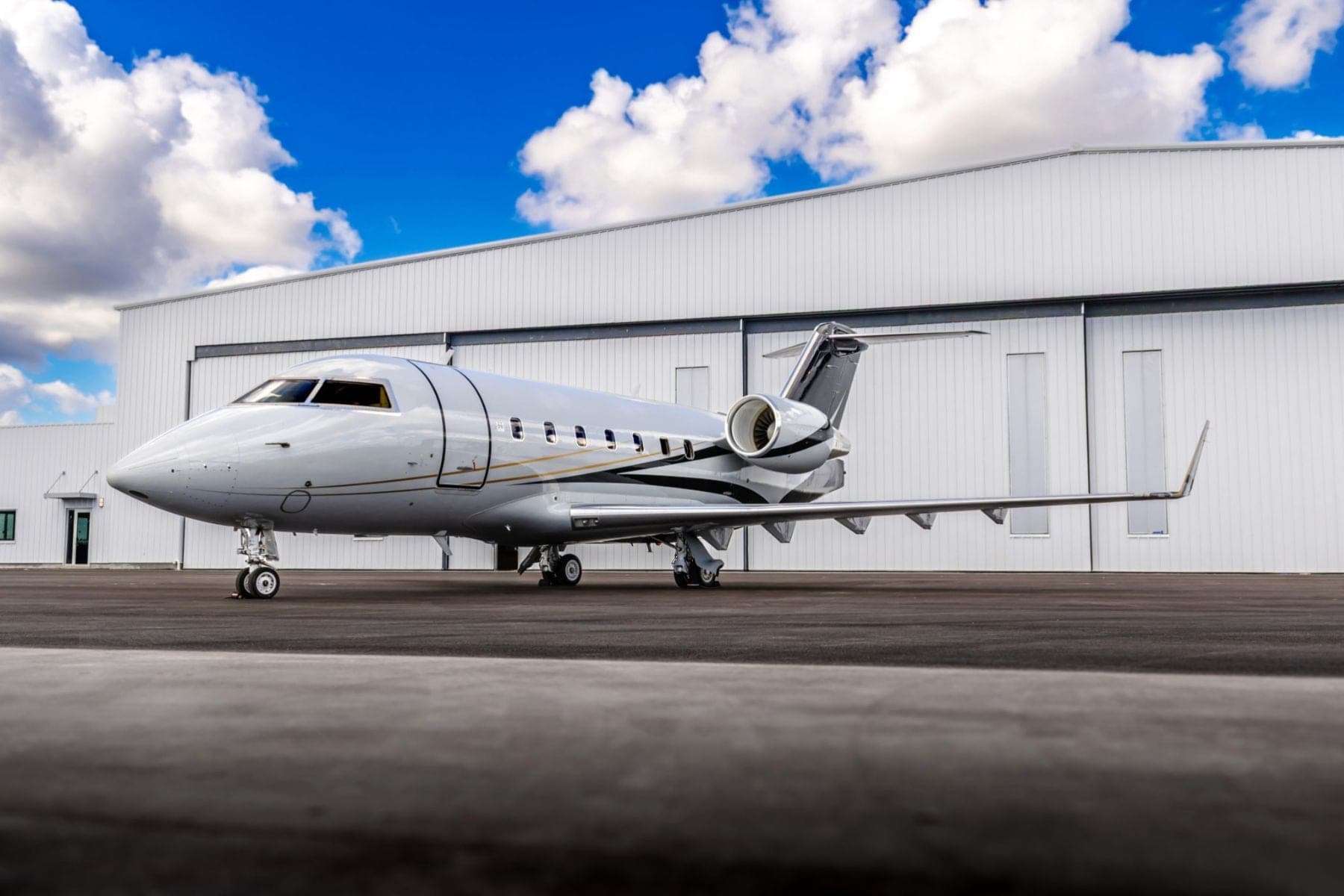
Challenger 600/601 Heavy Jet Charter Guide
Challenger 600/601 at a glance
Charter a Challenger 600 or 601 heavy jet. Compare wide-cabin seating, baggage, variant range, engines and trip-specific quote factors.
Jet Partners arranges on-demand charter as a charter services arranger. The selected direct air carrier confirms the aircraft and retains operational control.
Challenger 600/601 gallery
Challenger 600/601 facts
Published model references; the proposed aircraft and trip determine final suitability.
- Range
- Approximately 3,430 nm for the referenced 601-3A
- AOPA 601-3A specification with IFR reserves; other 600/601 variants differ.
- Passengers / seating
- Typically 9–12 executive passengers; higher-density approvals and individual layouts vary
- Cruise speed
- Approximately 514–528 mph (447–459 knots) at Mach 0.78–0.80
- Cabin dimensions
- Cabin lengthApproximately 28 ft 3 inCabin widthApproximately 8 ft 2 inCabin heightApproximately 6 ft 1 in
- Luggage / baggage
- Approximately 115 cu ft
Challenger 600/601 charter specifications and market context
- Aircraft class
- Heavy Jet
- Manufacturer
- Canadair, later Bombardier Aerospace
- Category hourly planning range
- $8,750–$12,250 per billable hour
- Years manufactured
- 1980–1996 across Challenger 600 and 601 variants
The Challenger 600/601 is a wide-cabin heavy-jet family considered for executive groups that value an unusually broad cross-section, in-flight-accessible baggage and established long-range capability. A charter inquiry should identify whether the proposed aircraft is an original 600 or a specific 601 subvariant because fuel, engines, avionics, performance and refurbishment standard can differ materially.
Why the Challenger 600/601 remains a charter consideration
Canadair developed the Challenger 600 as a purpose-built business jet and introduced the production line around 1980. Bombardier inherited the program after acquiring Canadair and continued the 601 series through the mid-1990s.
The family moved from the 600's Lycoming ALF 502 engines to General Electric CF34 power on the 601 and later added digital flight-deck capability, establishing the broad-cabin architecture continued by subsequent Challengers.
Variant note. This directory page combines Challenger 600 and 601 aircraft. The numerical range block uses an AOPA 601-3A IFR-reserve reference. It must not be applied to an original 600, a 601-3A/ER or another 601 subvariant without carrier confirmation.
3D tour identity. The 3D experience is a representative Challenger 601 family tour. Cabin layout, finishes and equipment may differ from the exact Challenger 600/601 aircraft proposed for charter.
3D tour hosted on Matterport.
Overview and production sources
Heavy / Long Range Jet category-level whole-aircraft planning range; not a live offer or a model-specific quote. Pricing was reviewed August 29, 2026 and the current planning policy is effective through November 30, 2026. Only a current written proposal confirms the aircraft, direct carrier, inclusions, conditional charges and total trip price.
Inside the Challenger 600/601
The shared planning envelope is approximately 28 feet 3 inches long, 8 feet 2 inches wide and 6 feet 1 inch high, with about 1,146 cubic feet of cabin volume and roughly 115 cubic feet of baggage space.
Charter interiors commonly seat nine to twelve in club chairs, conference groupings and a divan, supported by an enclosed aft lavatory and forward galley or refreshment center. Daylight, seat tracking, berthability, cabin-management controls, power and Wi-Fi depend on the actual aircraft and its refurbishment.
- Seat configuration
- Typically 9–12 executive passengers; higher-density approvals and individual layouts vary
- Cabin volume
- Approximately 1,146 cu ft
- Cabin dimensions
- Approximately 28 ft 3 in long × Approximately 8 ft 2 in wide × Approximately 6 ft 1 in high
- Baggage capacity
- Approximately 115 cu ft
Aft compartment is generally accessible in flight; compartment geometry, loading limits and usable volume require tail-specific confirmation.
Challenger 600/601 range, cruise speed and flight deck
For a 601-3A, the reviewed AOPA specification gives approximately 3,430 nautical miles with IFR reserves. Earlier 600, extended-range 601-3A/ER and other 601 variants require their own flight-planning figures. The family spans ALF 502 and CF34 engines and early electromechanical or EFIS flight decks. The reviewed 601-3A reference describes an advanced airfoil design. Aerodynamic equipment requires variant- and tail-level confirmation.
Representative Mach 0.78 to 0.80 cruise equates to about 447 to 459 KTAS at ISA tropopause conditions, not trip-average groundspeed.
- Range reference
- Approximately 3,430 nm for the referenced 601-3A
- AOPA 601-3A specification with IFR reserves; other 600/601 variants differ.
- Cruise speed reference
- Approximately 447–459 KTAS at Mach 0.78–0.80
- Mach converted using about 574 knots for the speed of sound at ISA tropopause conditions; actual TAS varies with altitude and temperature.
- Engines and efficiency context
- Challenger 600: two Lycoming ALF 502L-series turbofans; Challenger 601: two General Electric CF34-1A or CF34-3A-series turbofans by subvariant
- Fuel use depends on the installed engines, thrust, altitude, payload and cruise settings. An engine model alone does not predict trip fuel use.
- Avionics
- The reviewed 1982 tail combines a Sperry 600 dual-channel autopilot and FZ-500 flight directors with later Universal GPS flight management and safety-system upgrades; installations vary by aircraft
- Aerodynamic design
- Swept wing; the reviewed 601-3A reference describes an advanced airfoil design, while installed aerodynamic equipment requires variant-level confirmation
Performance, engine and avionics sources
Is the Challenger 600/601 right for your charter?
This family can fit transcontinental business travel, entertainment parties and leisure groups that prioritize cabin width over the latest cabin technology. Give Jet Partners the airports, passenger weights, bag dimensions, preferred seating arrangement and required connectivity so the charter arranger can compare an identified 600 or 601 with alternatives.
The licensed direct carrier confirms aircraft, crew, runway, payload, weather and nonstop feasibility and retains operational control.
Jet Partners compares trip-specific proposals as a charter services arranger.
Confirm these details in writing
- Aircraft, cabin layout, passenger count and baggage fit.
- Named direct air carrier and available trip-specific safety information.
- Runway, payload, weather, routing and possible technical-stop limits.
- Total price, inclusions, conditional charges and cancellation terms.
The properly licensed direct air carrier identified in the proposal retains operational control and makes the final flight-operational decisions.
Questions about chartering the Challenger 600/601
How many passengers can the Challenger 600/601 carry?
What is the charter range of the Challenger 600/601?
What should I verify when comparing Challenger 600/601 variants?
How much does it cost to charter the Challenger 600/601?
What cabin amenities are available on the Challenger 600/601?
Who operates a flight on the Challenger 600/601 arranged through Jet Partners?
Challenger 600/601 technical sources
This profile was reviewed August 28, 2026 using the sources below. They include manufacturer, regulator, operator-provided and other technical references. Performance and cabin figures are planning references. The proposed aircraft records and direct carrier control the accepted trip.
Some external technical or market references contain aircraft purchase values or operating-cost estimates. Those third-party figures are not Jet Partners charter quotes and are not reproduced on this page.
View reviewed references
Aircraft Owners and Pilots Association
Canadair Challenger 601-3A model overview and specification
Reviewed August 28, 2026 for history, cabin, performance, engines.
Transport Canada
Approved aircraft type maintenance training — aircraft and engine type list
Reviewed August 28, 2026 for production, engines.
General Aviation Services
1982 Challenger 600 serial 1076 tail-specific avionics specification
Reviewed August 28, 2026 for avionics.
Compare more heavy jets
Compare model-level cabin and performance references, then request the actual aircraft, direct carrier and written trip terms that fit the itinerary.
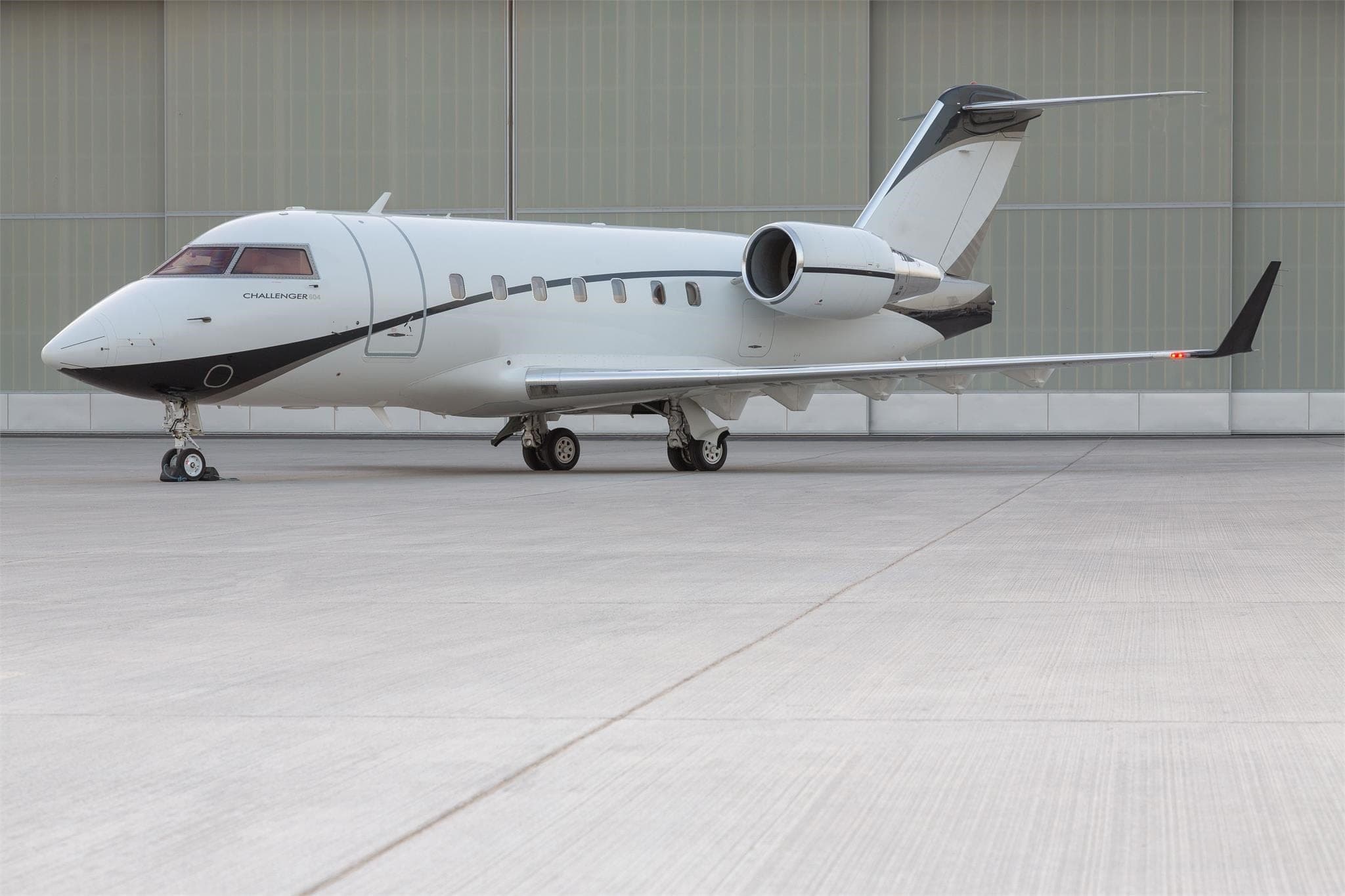
Challenger 604/605
9 pax · 4,000 nm
Aircraft-family 3D reference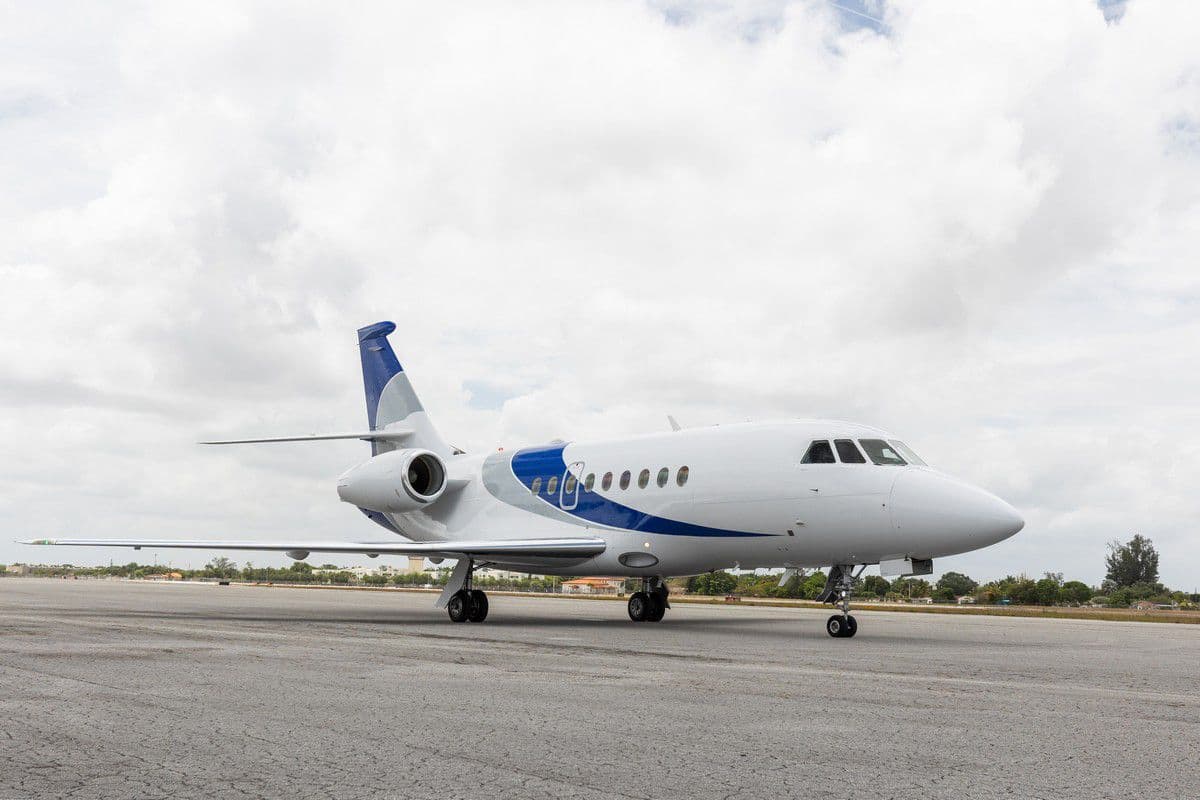
Falcon 2000/2000LX/2000DX
10 pax · 3,800 nm
Aircraft-family 3D reference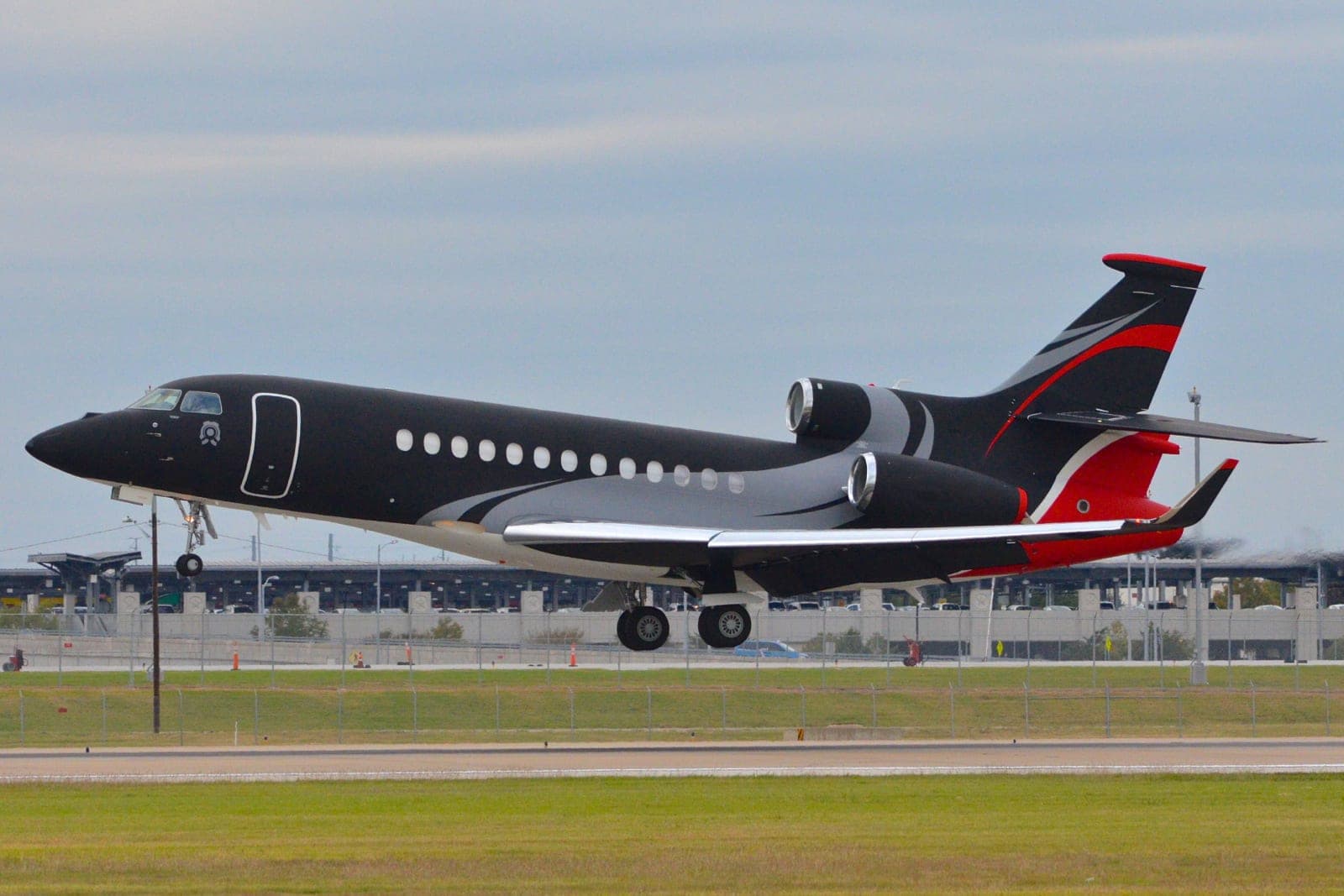
Falcon 7X
11 pax · 5,950 nm
Model-matched 3D tour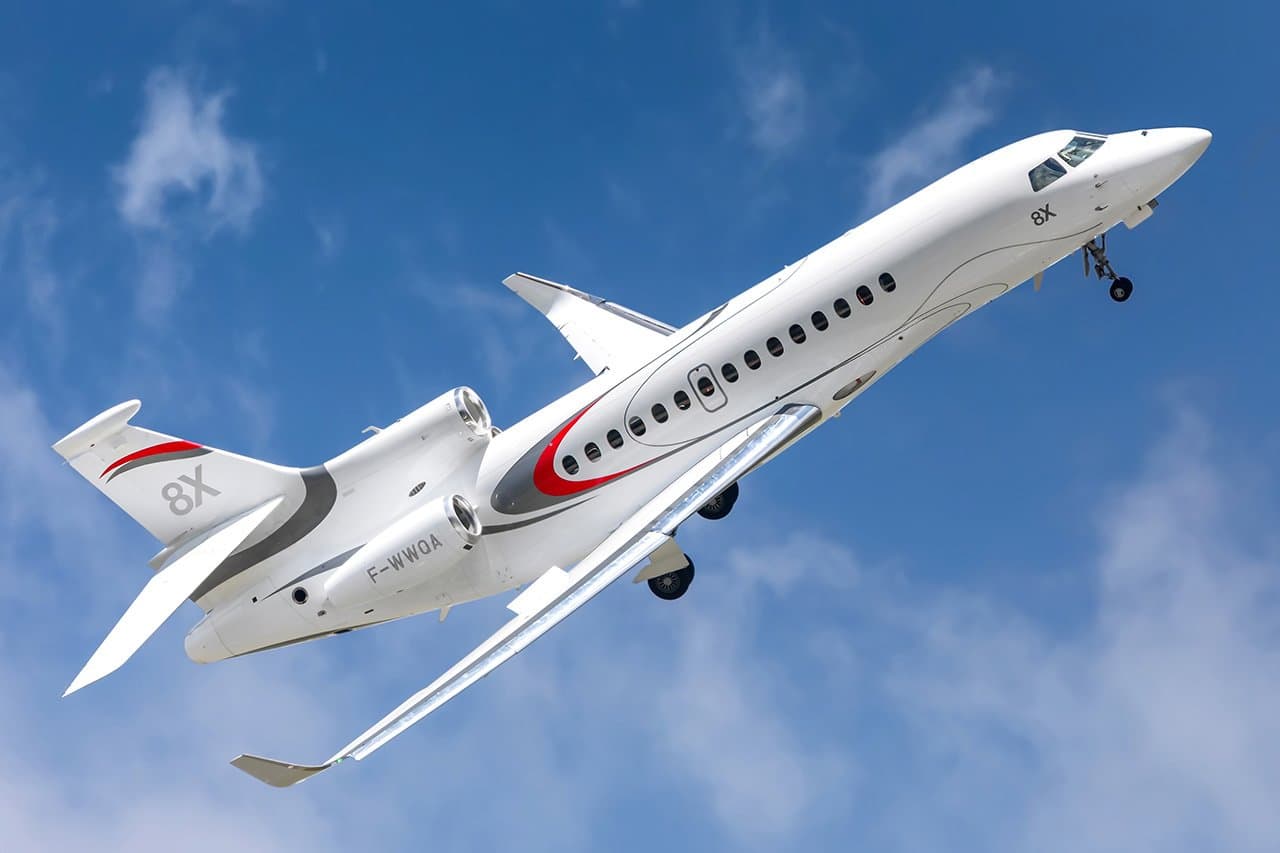
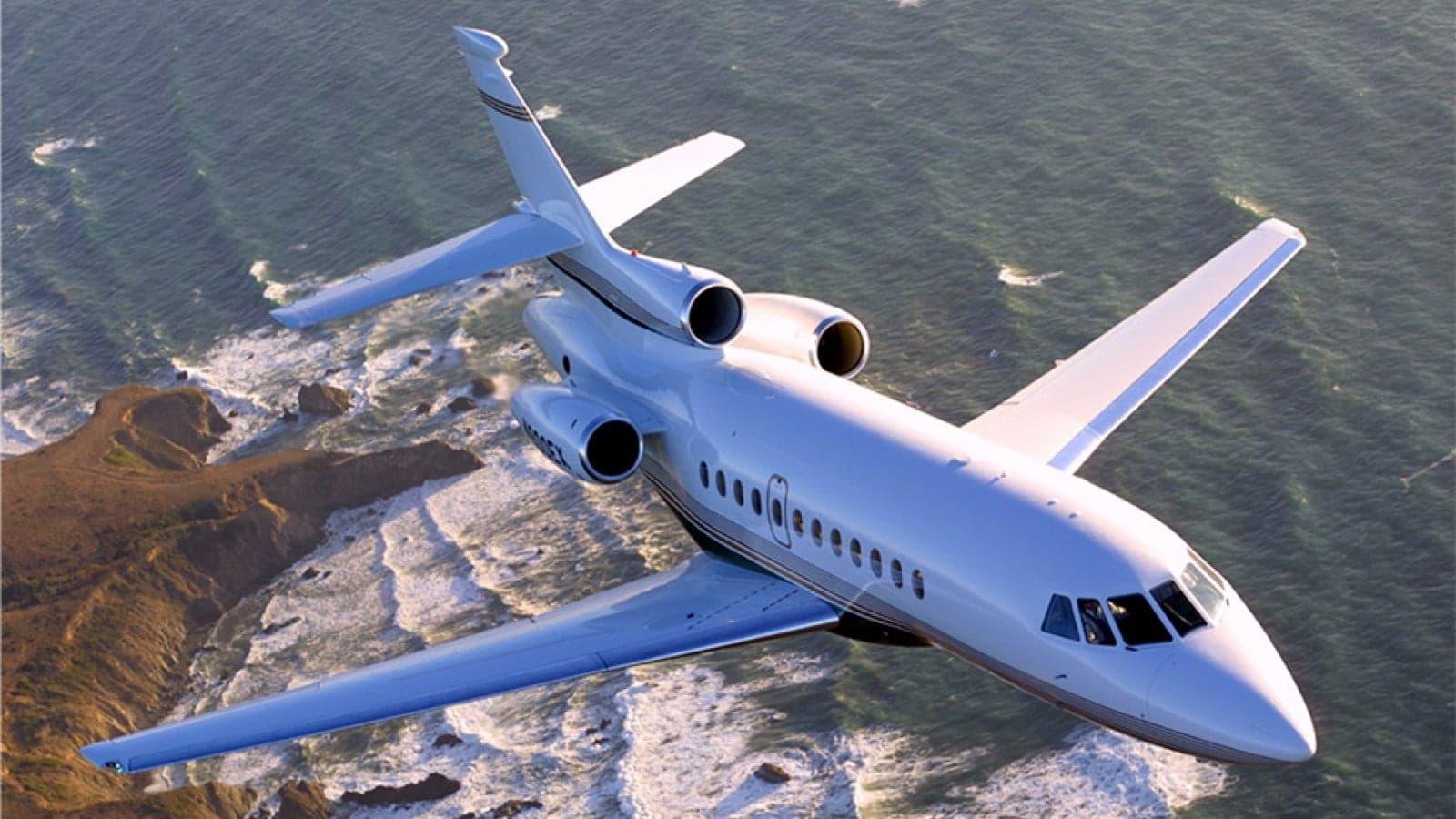
Falcon 8X
16 pax · 6,450 nm
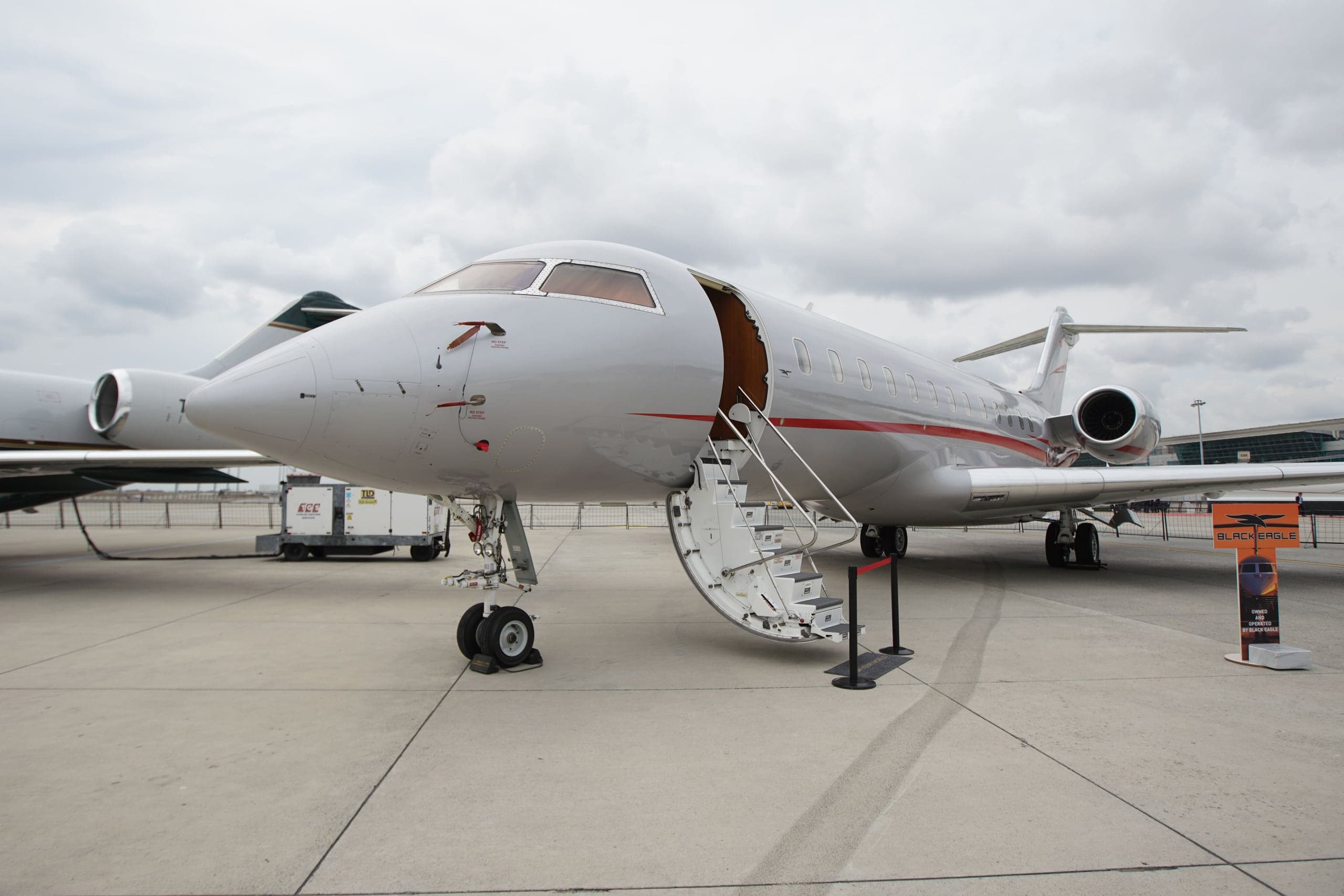
Falcon 900/900LX/900EX/900DX
14 pax · 4,550 nm
Global 5000
17 pax · 5,200 nm
Model-matched 3D tour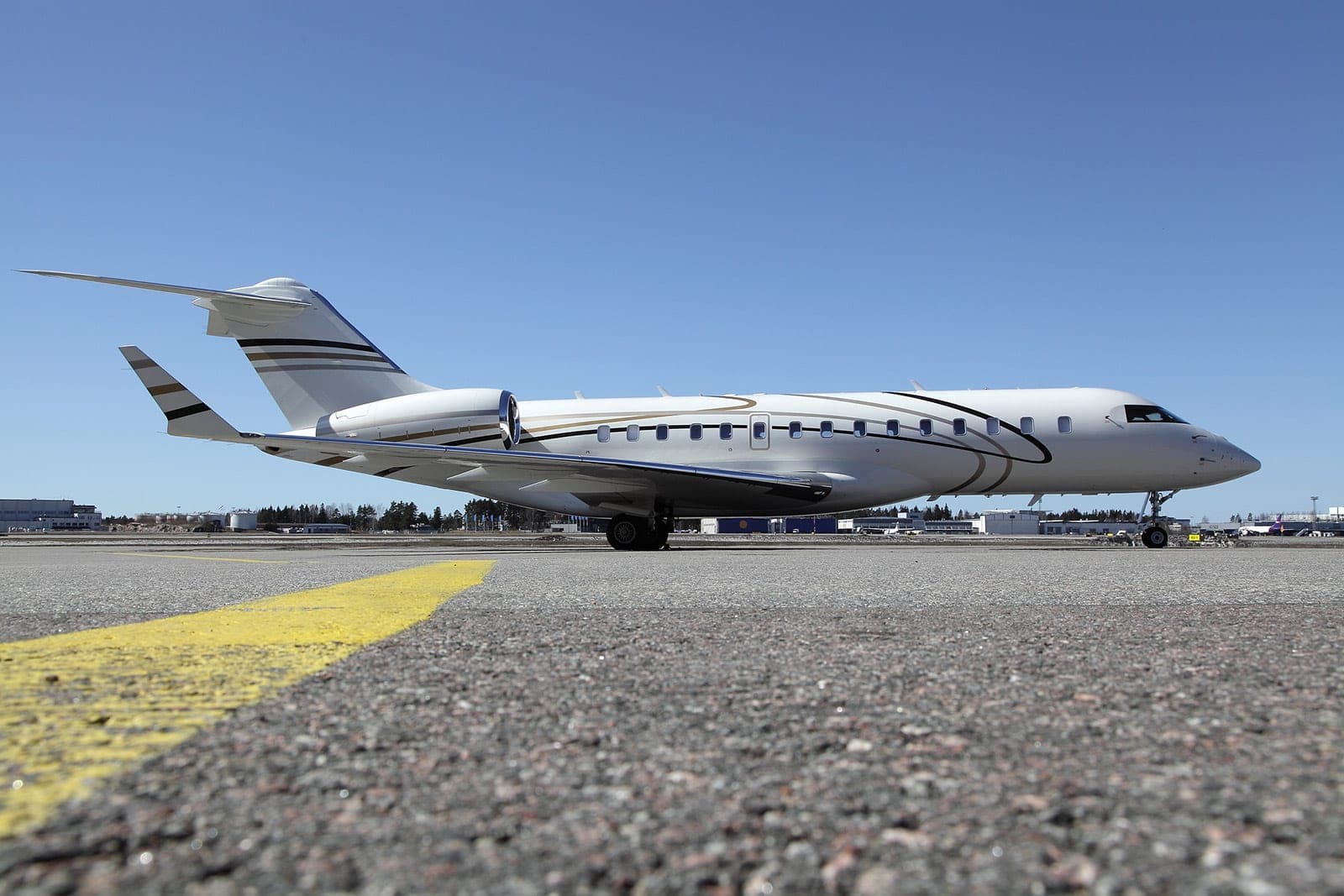
Global Express XRS
13 pax · 5,436 nm
Model-matched 3D tour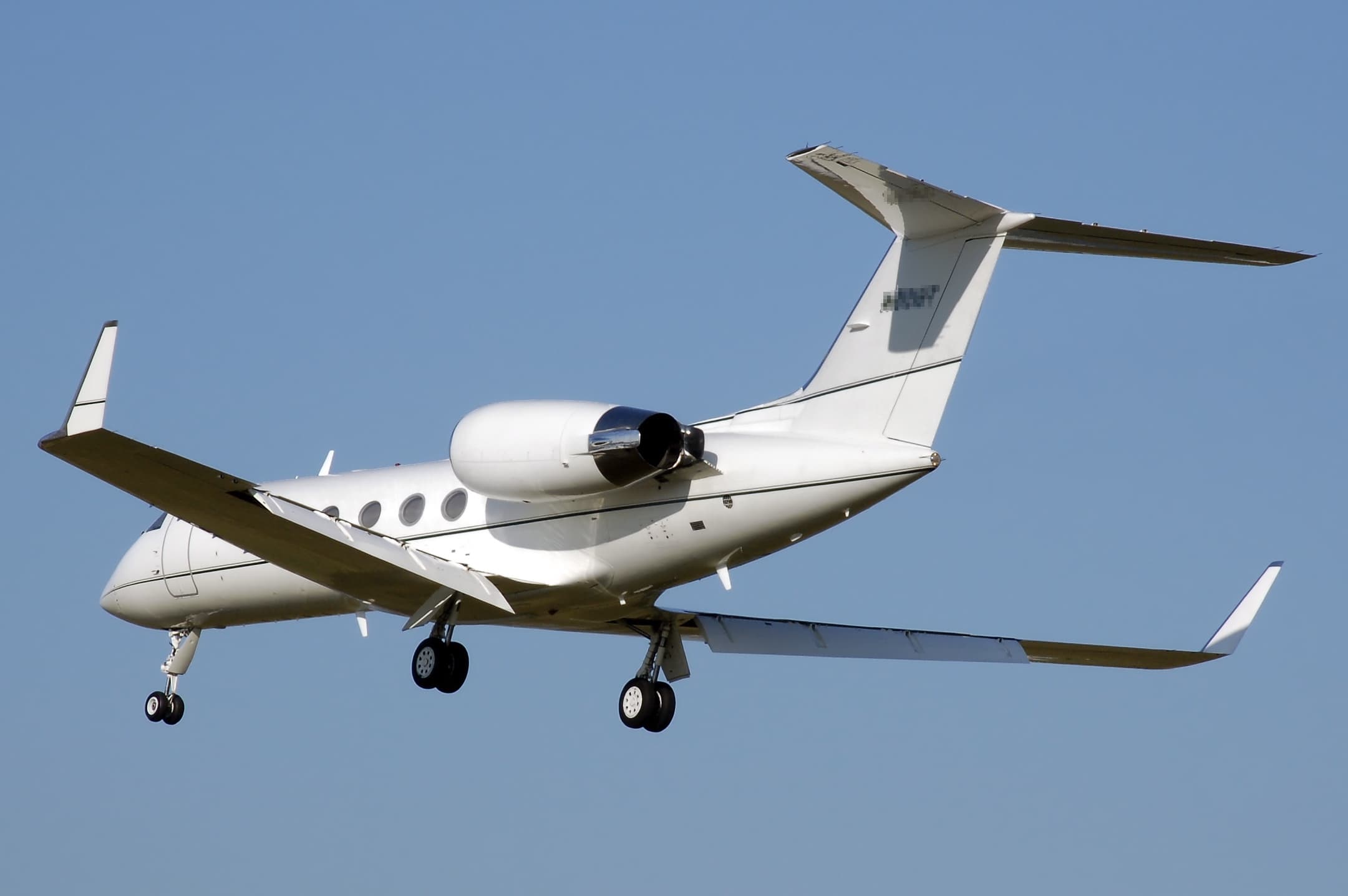
Gulfstream IV SP
16 pax · 4,350 nm
Model-matched 3D tourContinue Challenger 600/601 charter planning
Compare airport choices, route estimates and cabin categories, then request aircraft and direct-carrier options for your itinerary.
Heavy Jet Charter
Return to the published Heavy Jet directory and large-cabin selection guide.
Continue planningNew York to London
Review transatlantic airport, payload, winds, reserves and technical-stop planning.
Continue planningLos Angeles to London
Evaluate an extended long-range itinerary without promising nonstop capability.
Continue planningPrivate Jet Charter Cost Calculator
Estimate reviewed routes, flight time and whole-aircraft planning ranges before requesting exact pricing.
Continue planningPrivate Jet Charter Safety
Review charter arranger, direct-carrier, operational-control and operator-vetting roles.
Continue planning