Textron Aviation
Citation Longitude
Reviewed August 28, 2026 for cabin, performance, engines, avionics.
Analytics and ads measurement are optional, separate choices. Personalized ads stay off.Google Analytics is optional. Accepting lets us measure page use and successful quote requests without contact details. Ads measurement is a separate choice: it lets Google connect ad clicks to successful requests using advertising cookies and click IDs. Personalized ads remain off. Read our privacy policy.
Compare super midsize jet charter options, cabins, range, costs, and coast-to-coast mission fit. Request a trip-specific direct-carrier proposal.
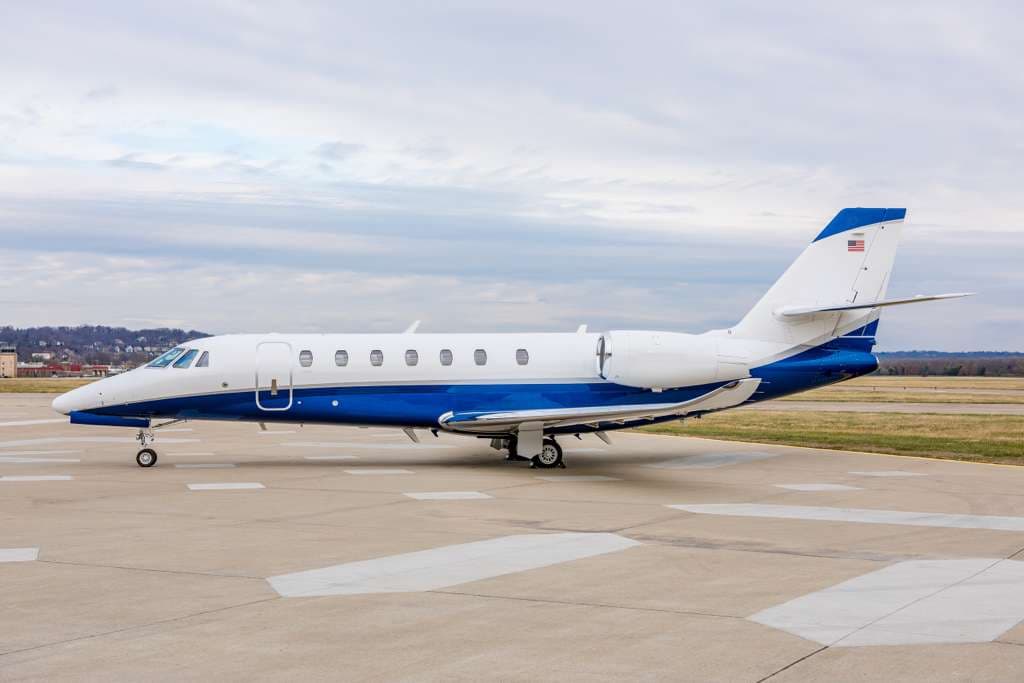
7 pax · 2,898 nm
Model-matched 3D tour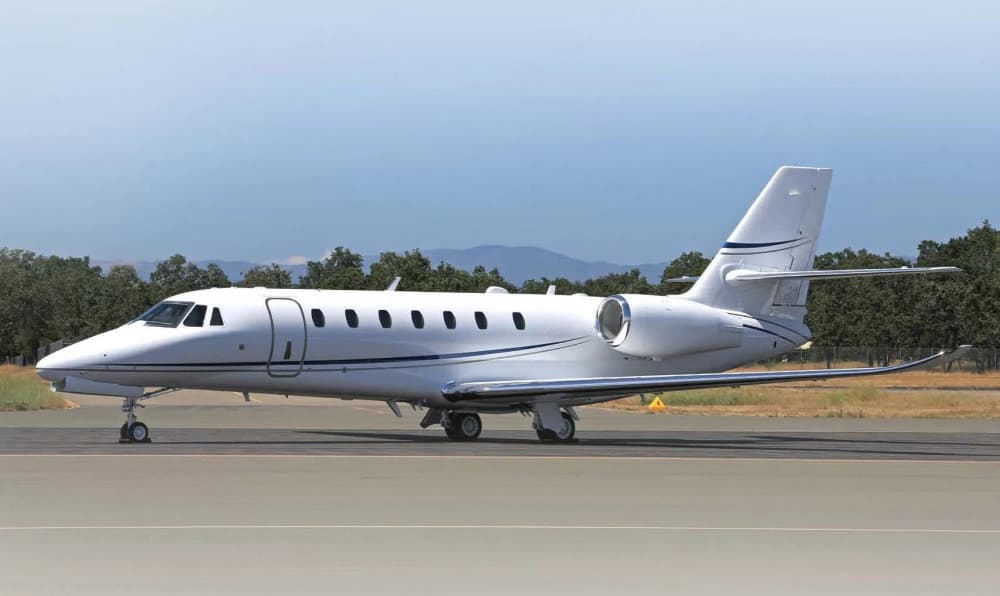
9 pax · 3,200 nm
Model-matched 3D tour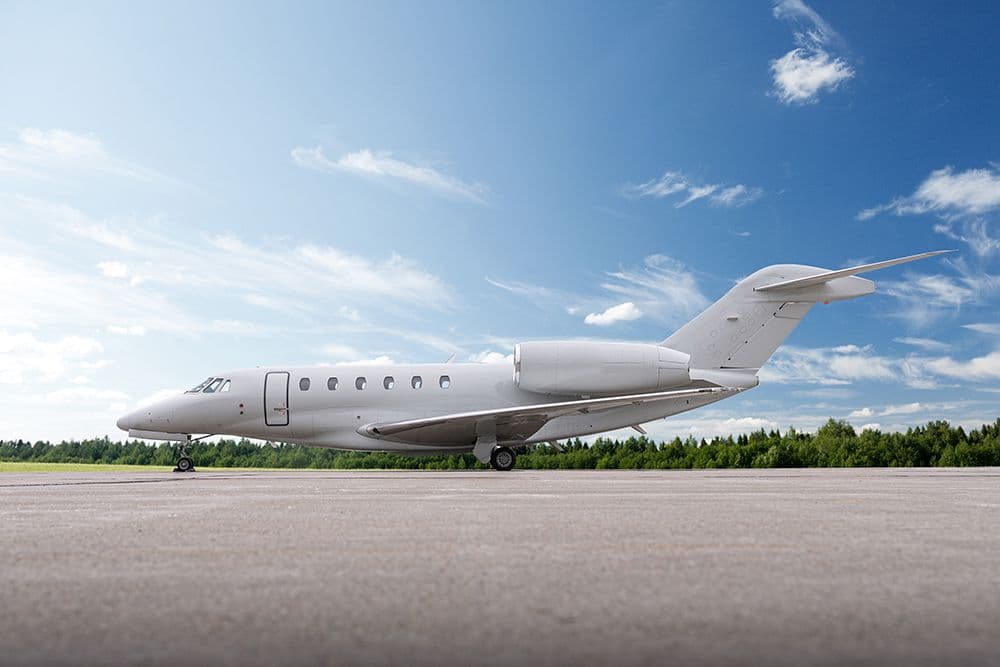
8 pax · 3,326 nm
Model-matched 3D tour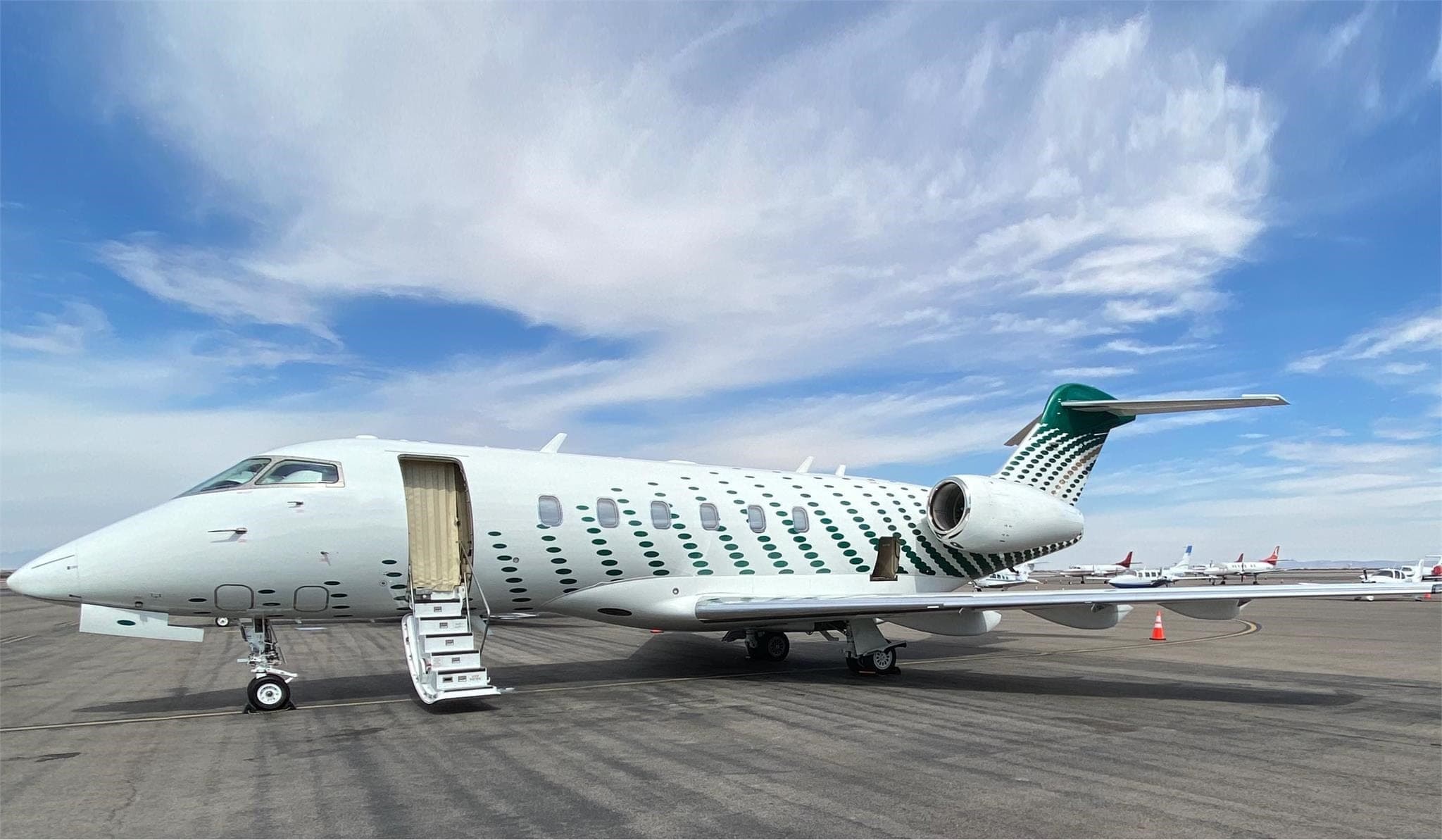
8 pax · 3,567 nm
Model-matched 3D tour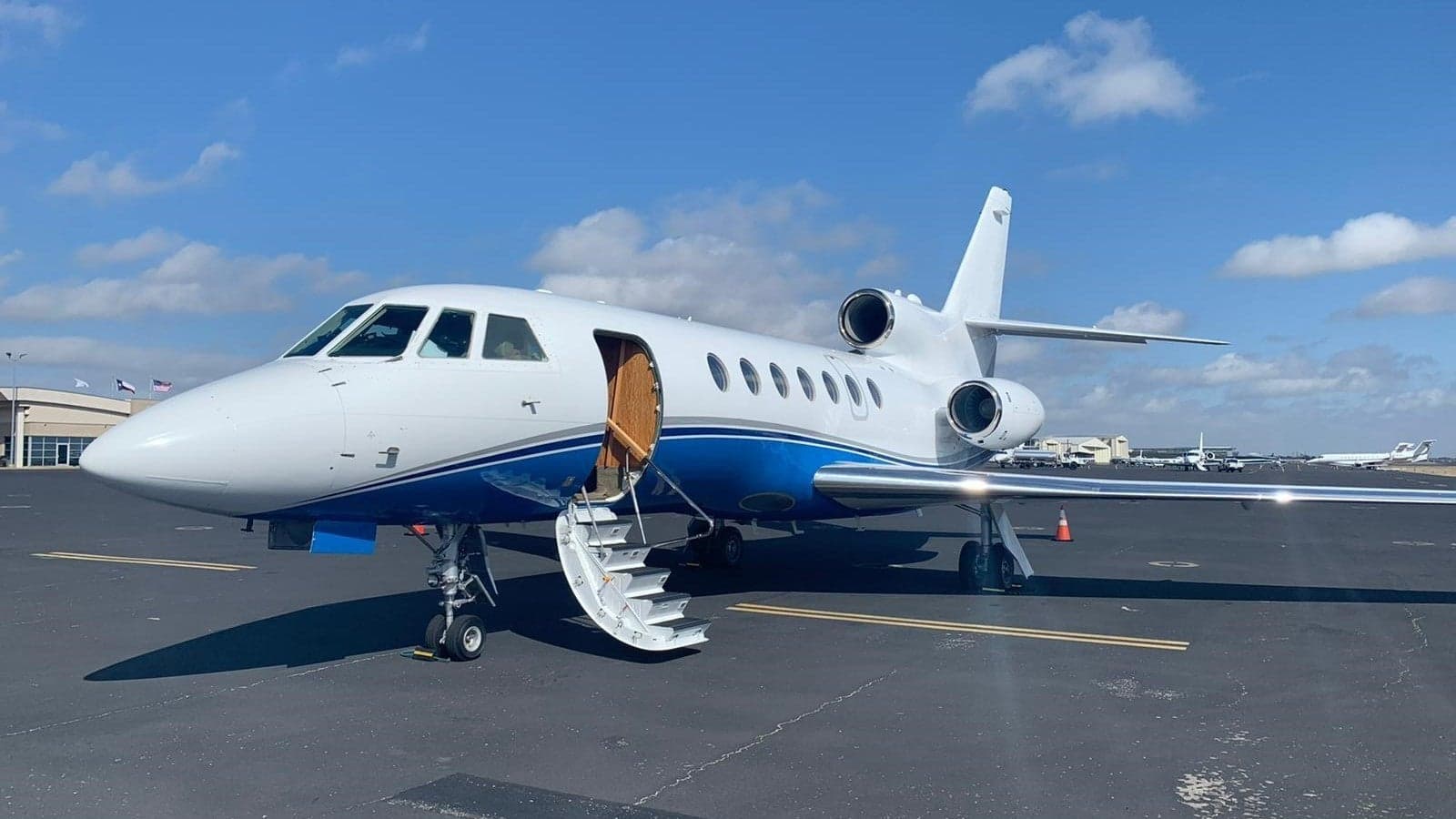
9 pax · 3,500 nm
Model-matched 3D tour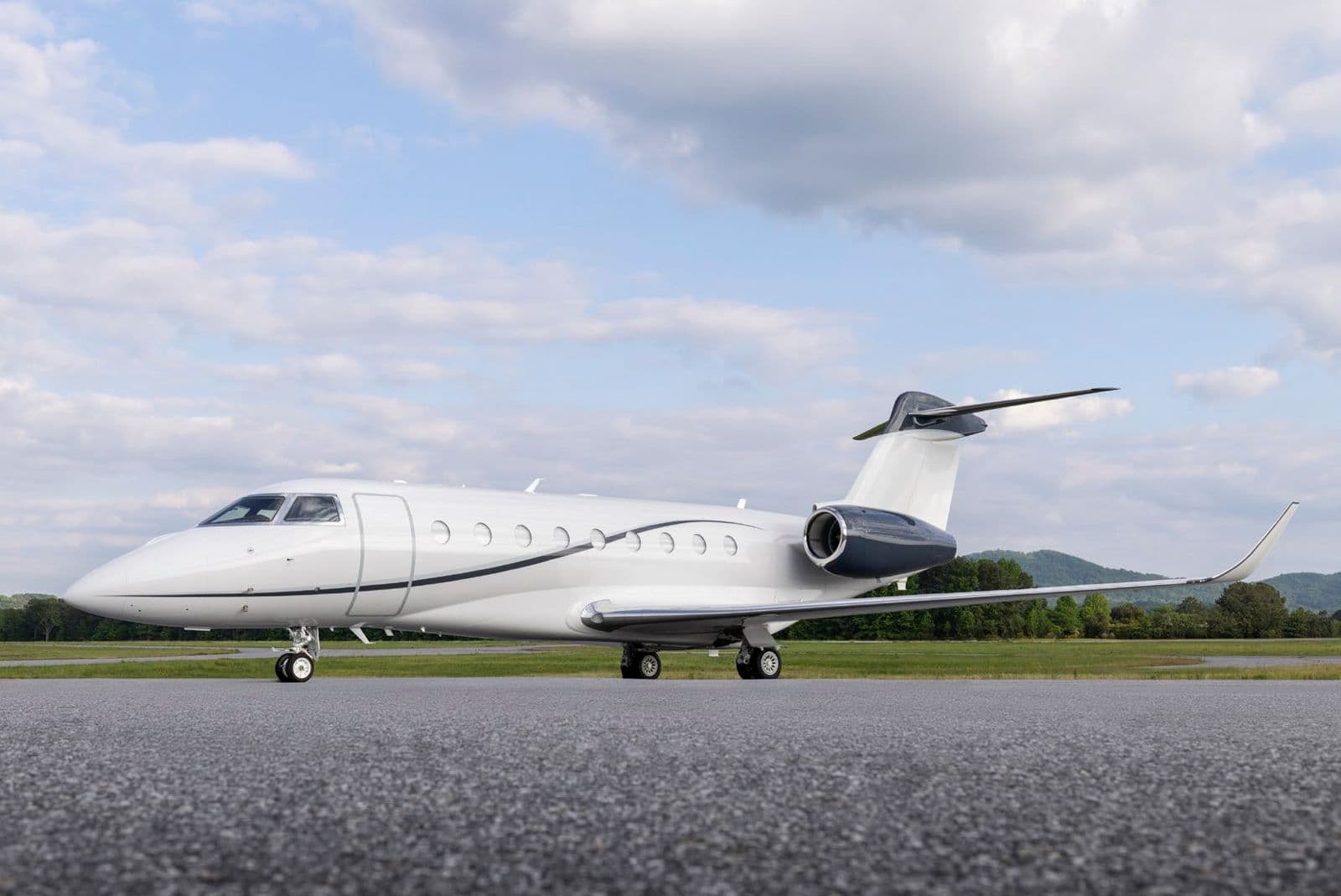
9 pax · 3,625 nm
Model-matched 3D tour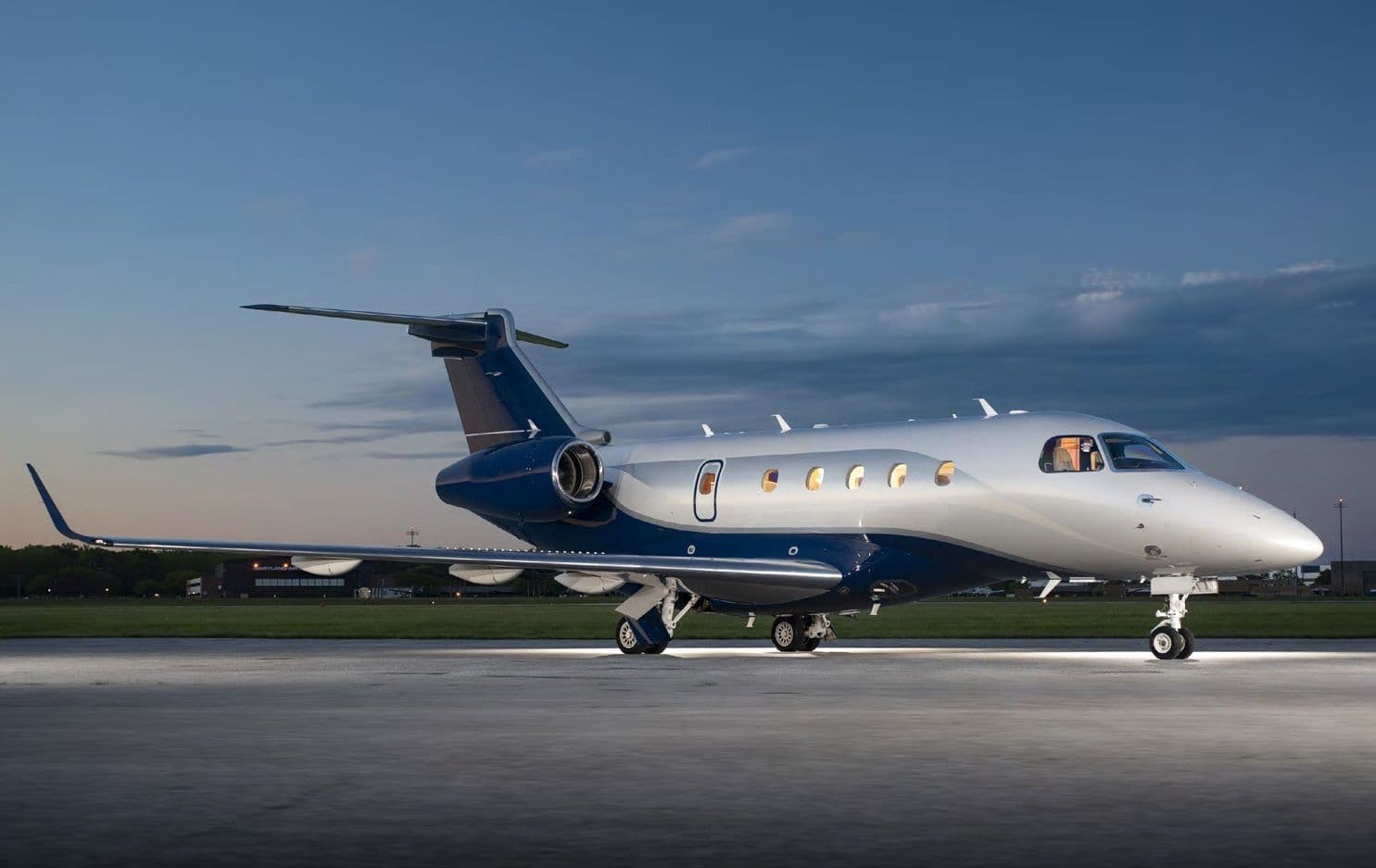
8 pax · 2,900 nm
Model-matched 3D tour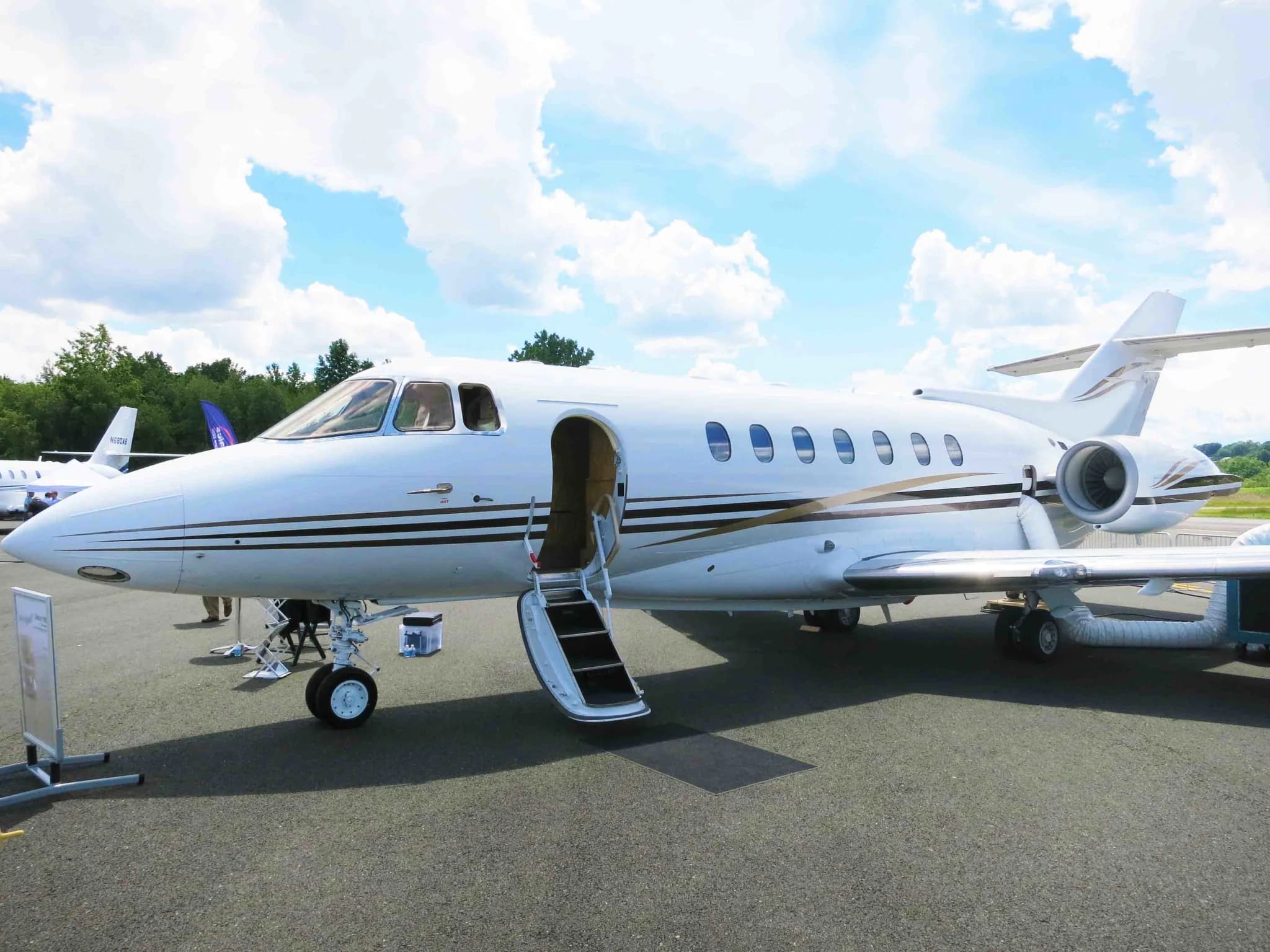
9 pax · 3,200 nm
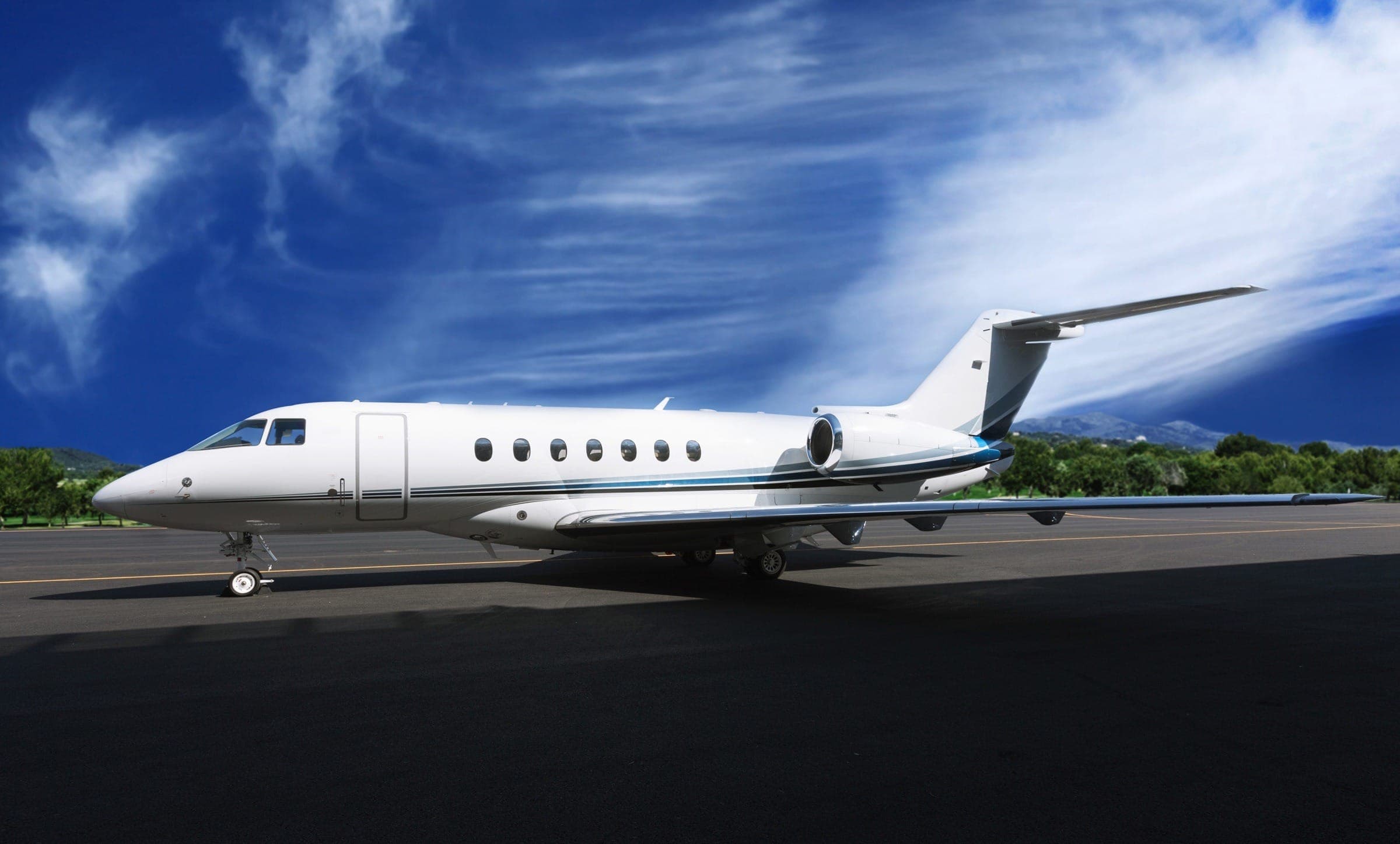
8 pax · 3,200 nm
Model-matched 3D tour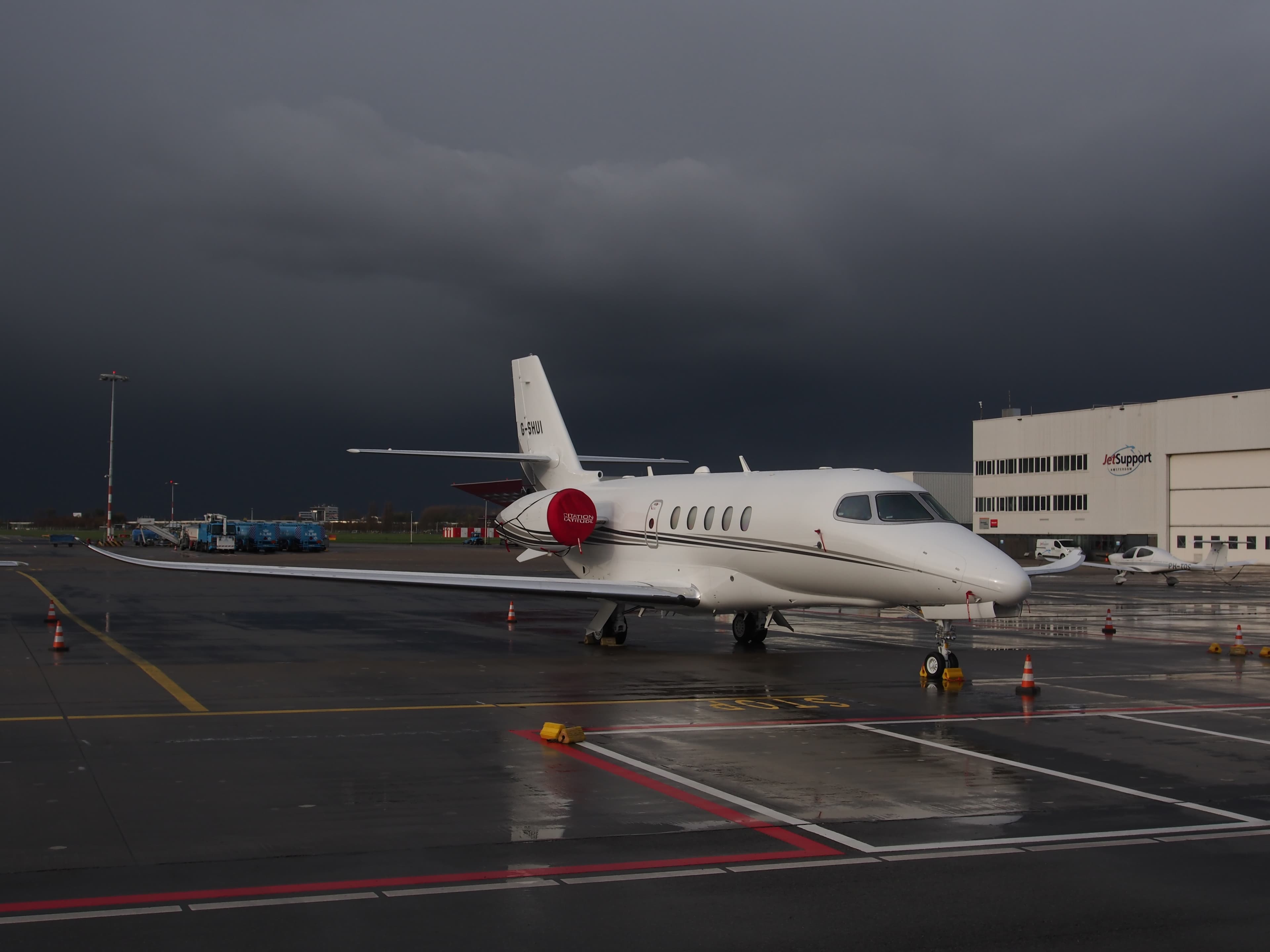
9 pax · 2,700 nm
Model-matched 3D tour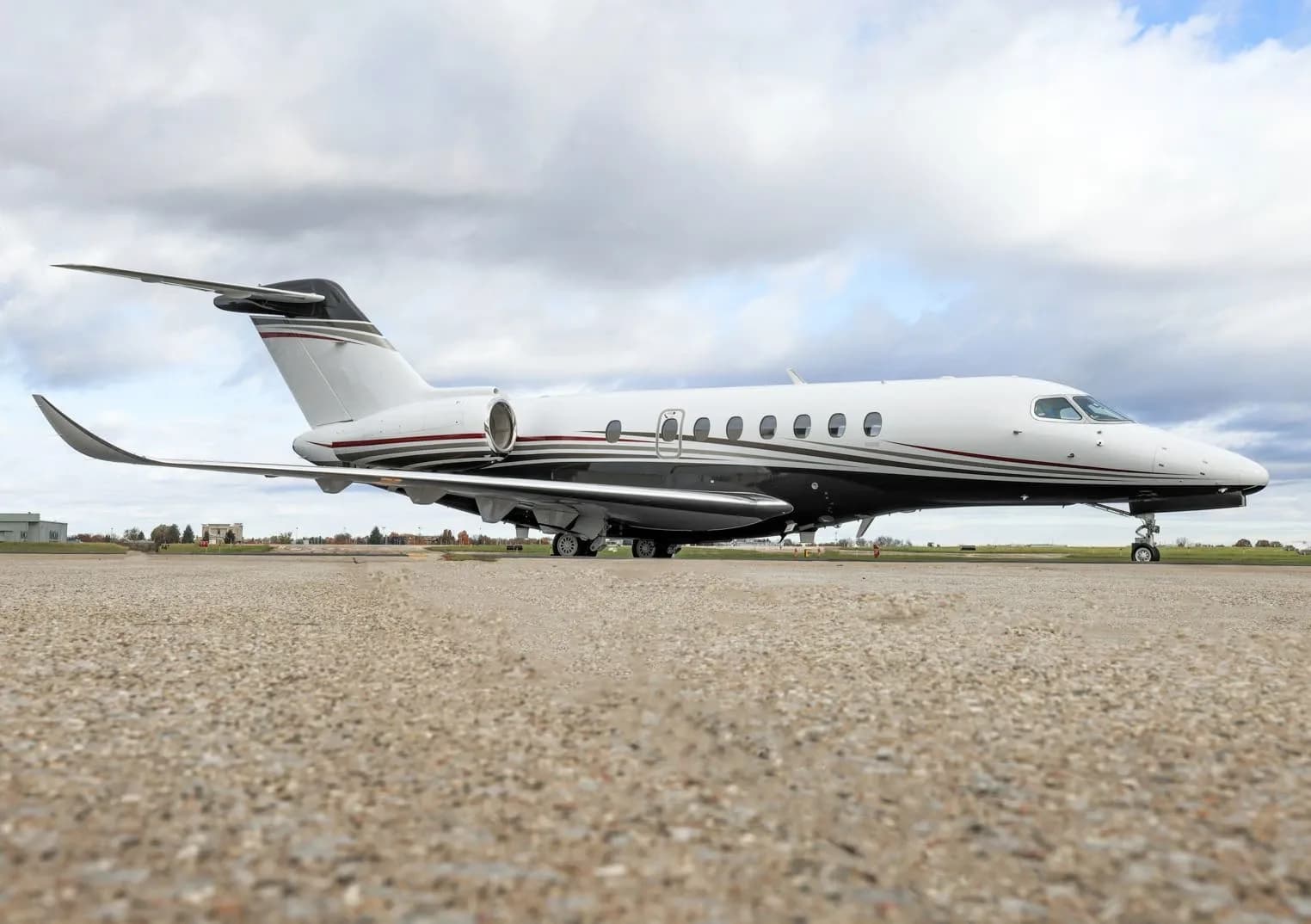
9 pax · 3,500 nm
Model-matched 3D tour
9 pax · 3,200 nm
Model-matched 3D tour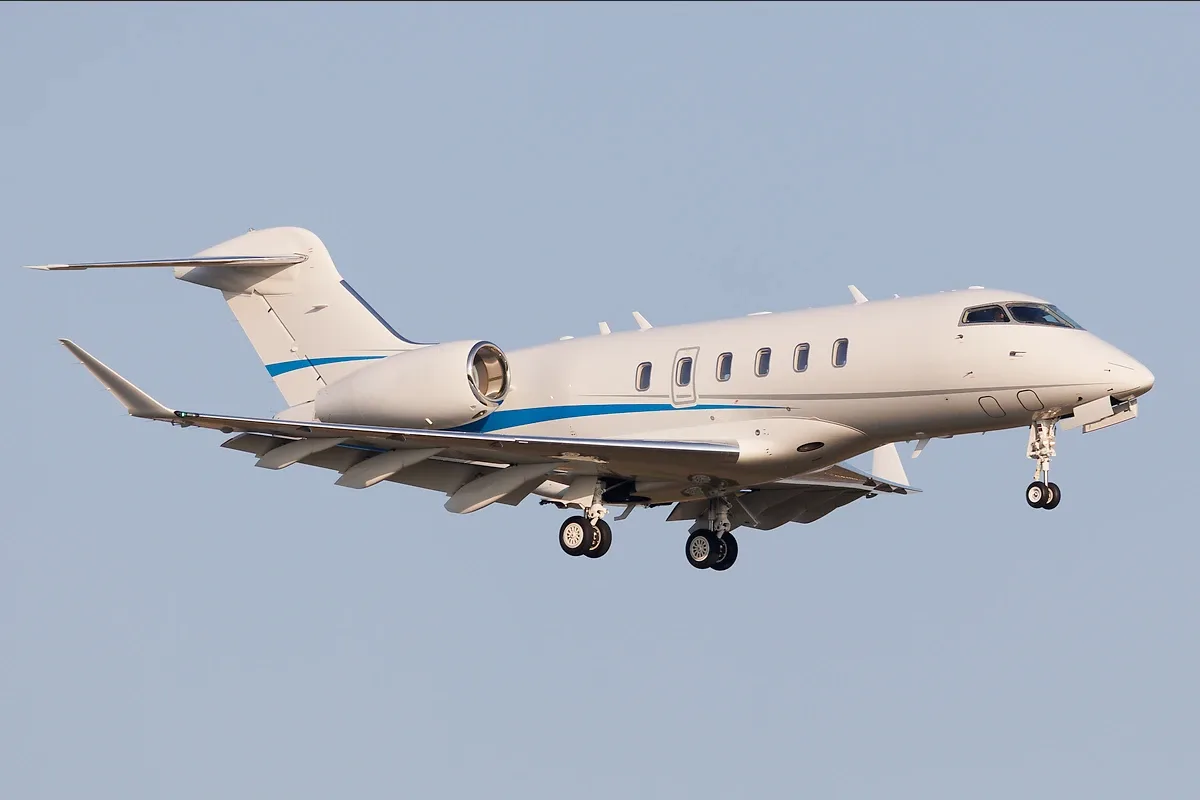
9 pax · 3,400 nm
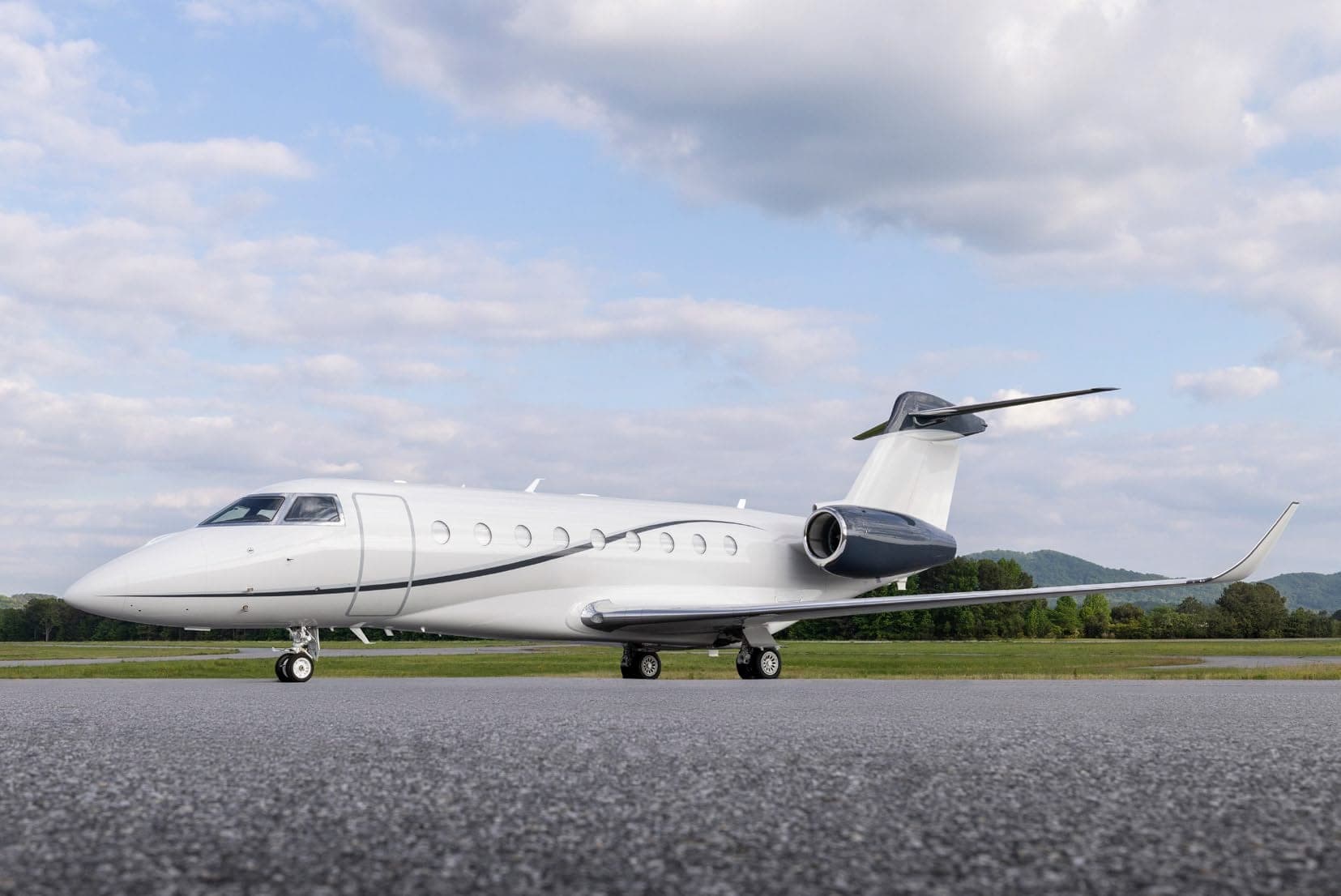
10 pax · 3,600 nm
Model-matched 3D tour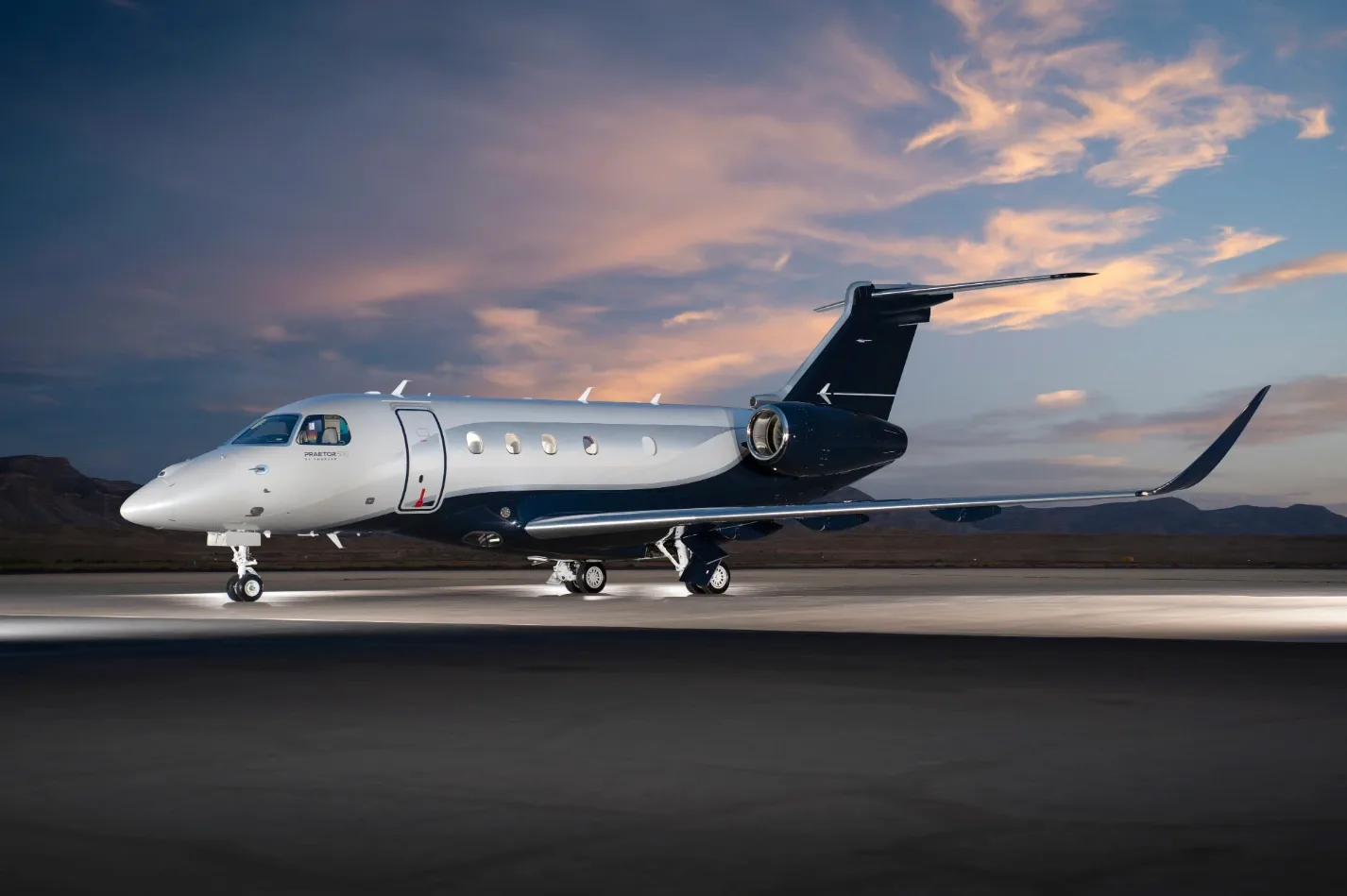
9 pax · 3,340 nm
Model-matched 3D tour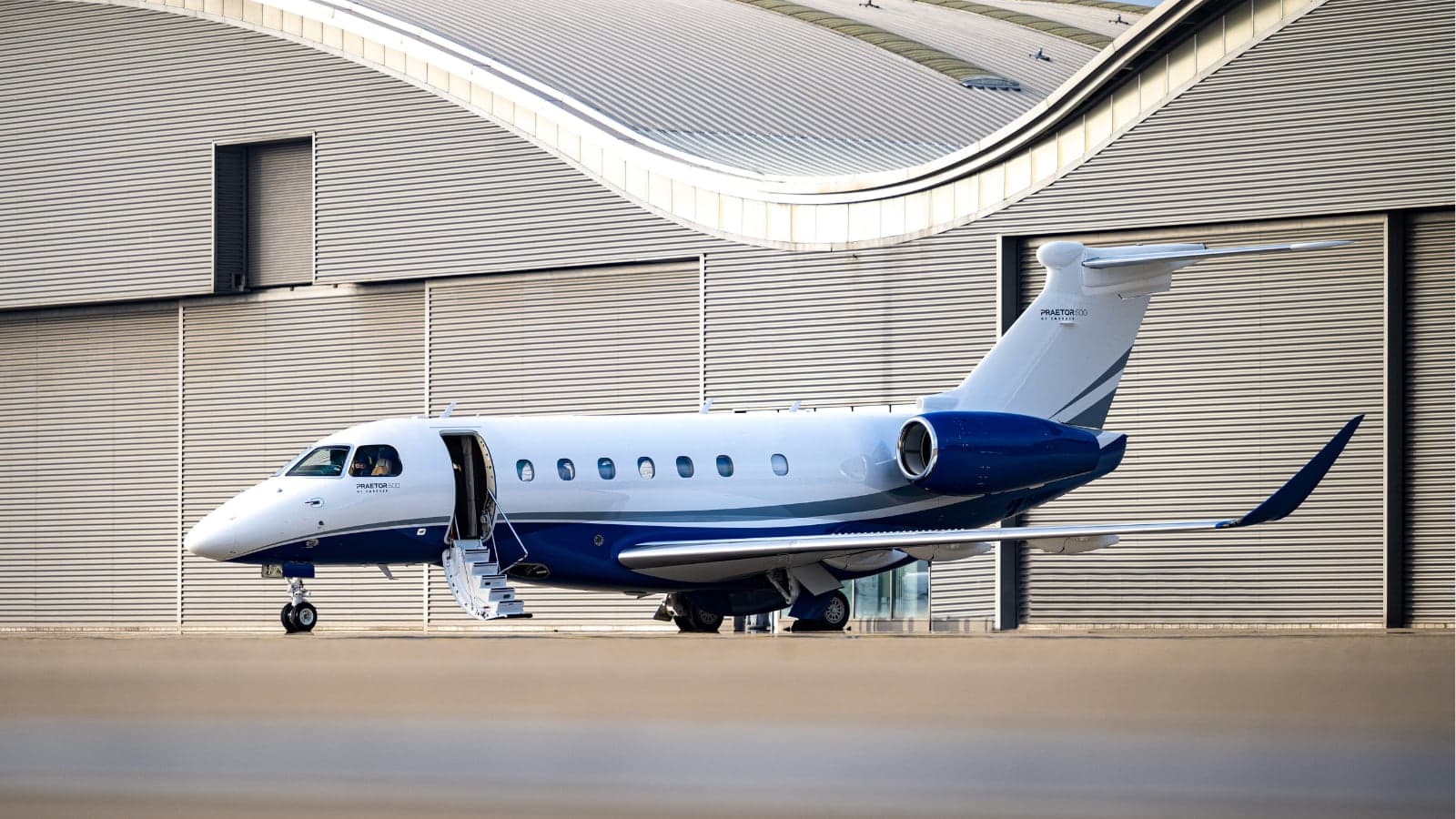
12 pax · 4,018 nm
Model-matched 3D tour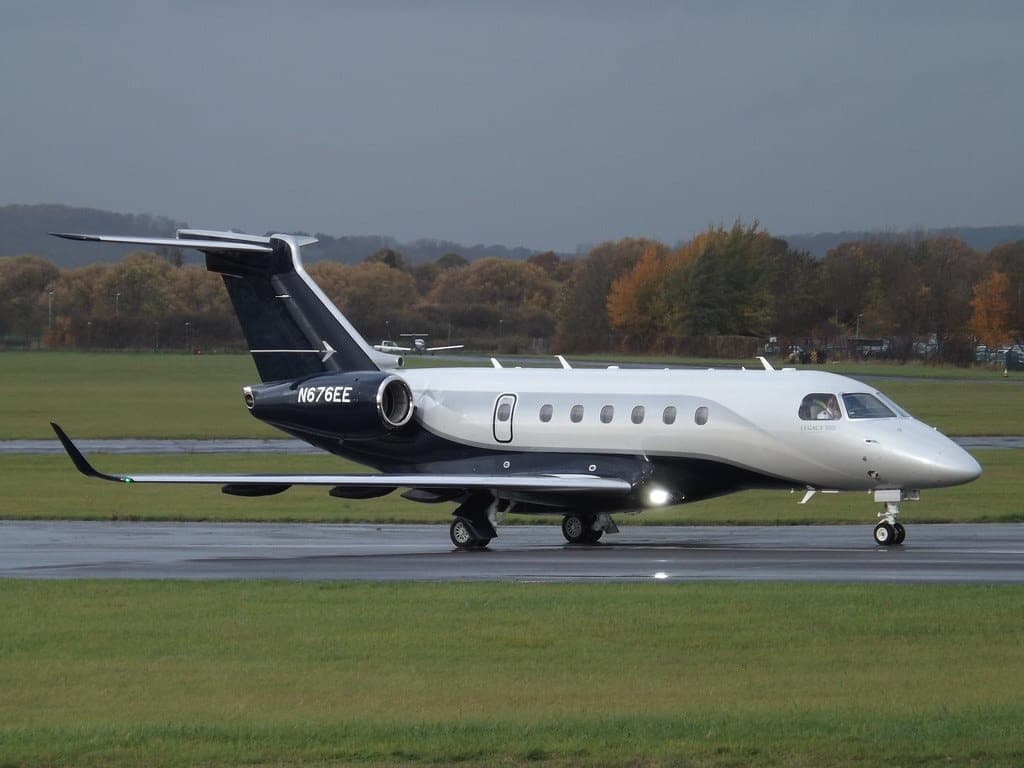
9 pax · 3,125 nm
Model-matched 3D tourAircraft decisions
Review model-level cabin, performance, baggage, pricing-basis and mission differences before requesting trip-specific options.
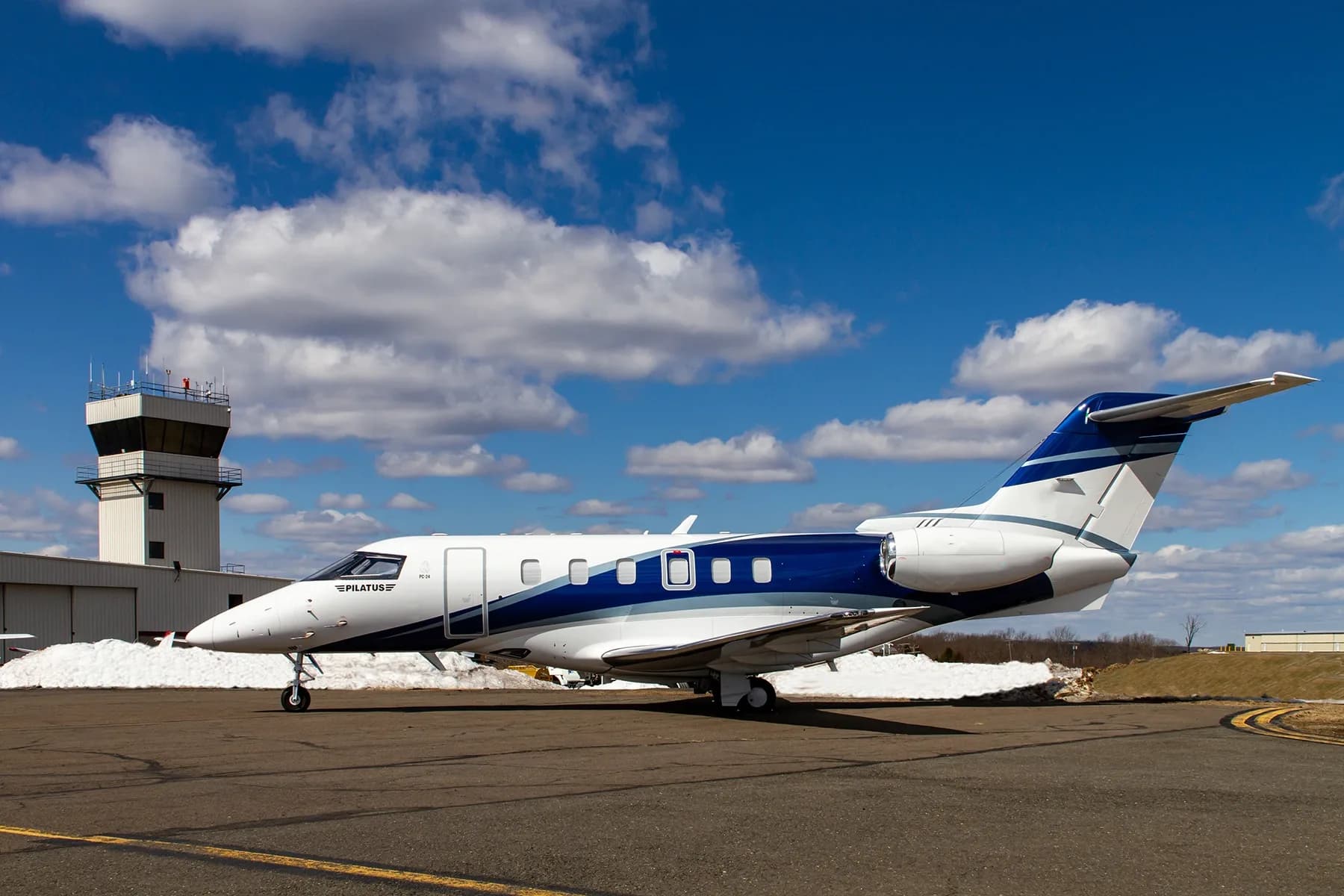
Pilatus PC-24
vsChallenger 300
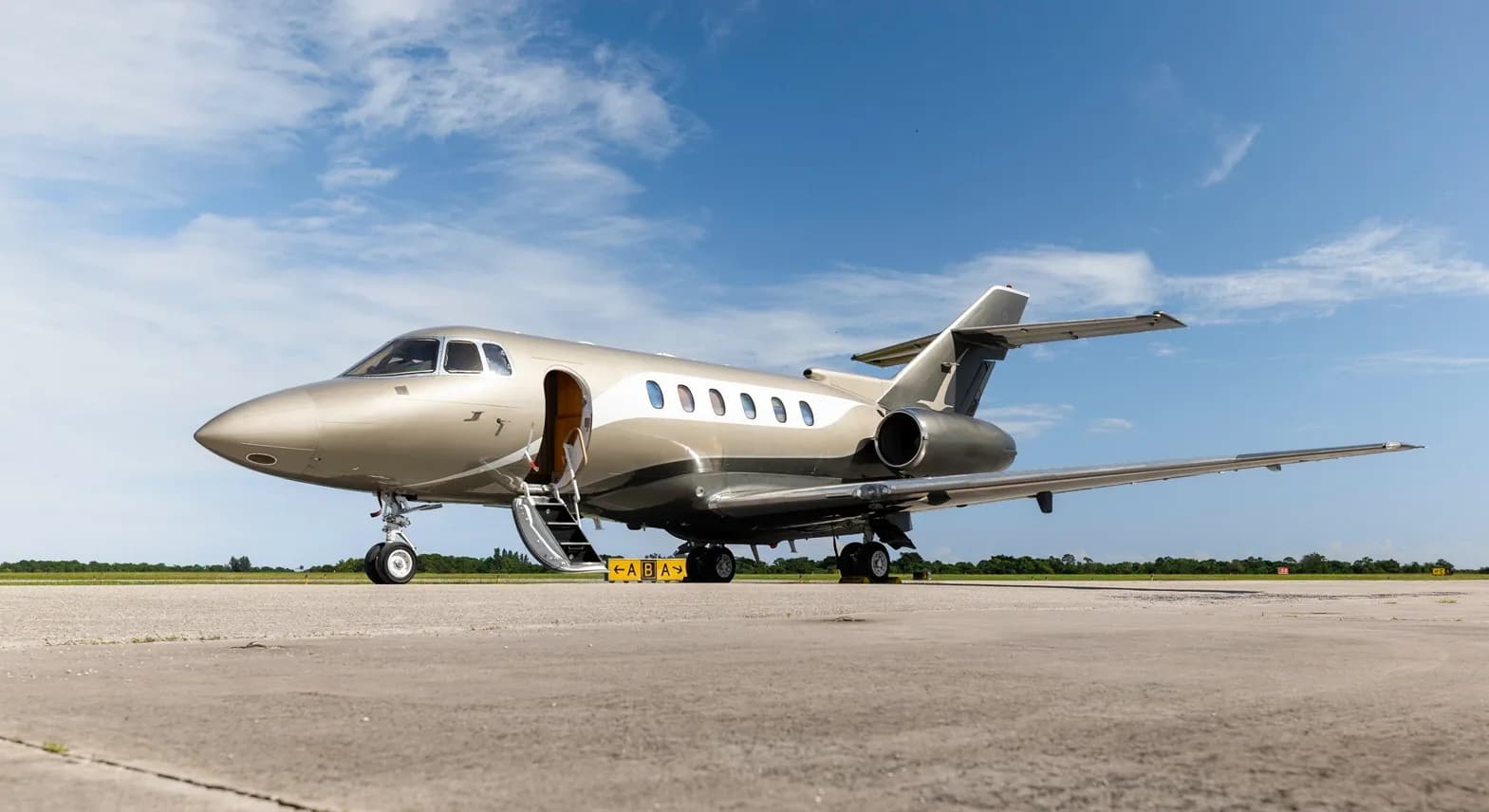
Hawker 800XP
vsChallenger 350
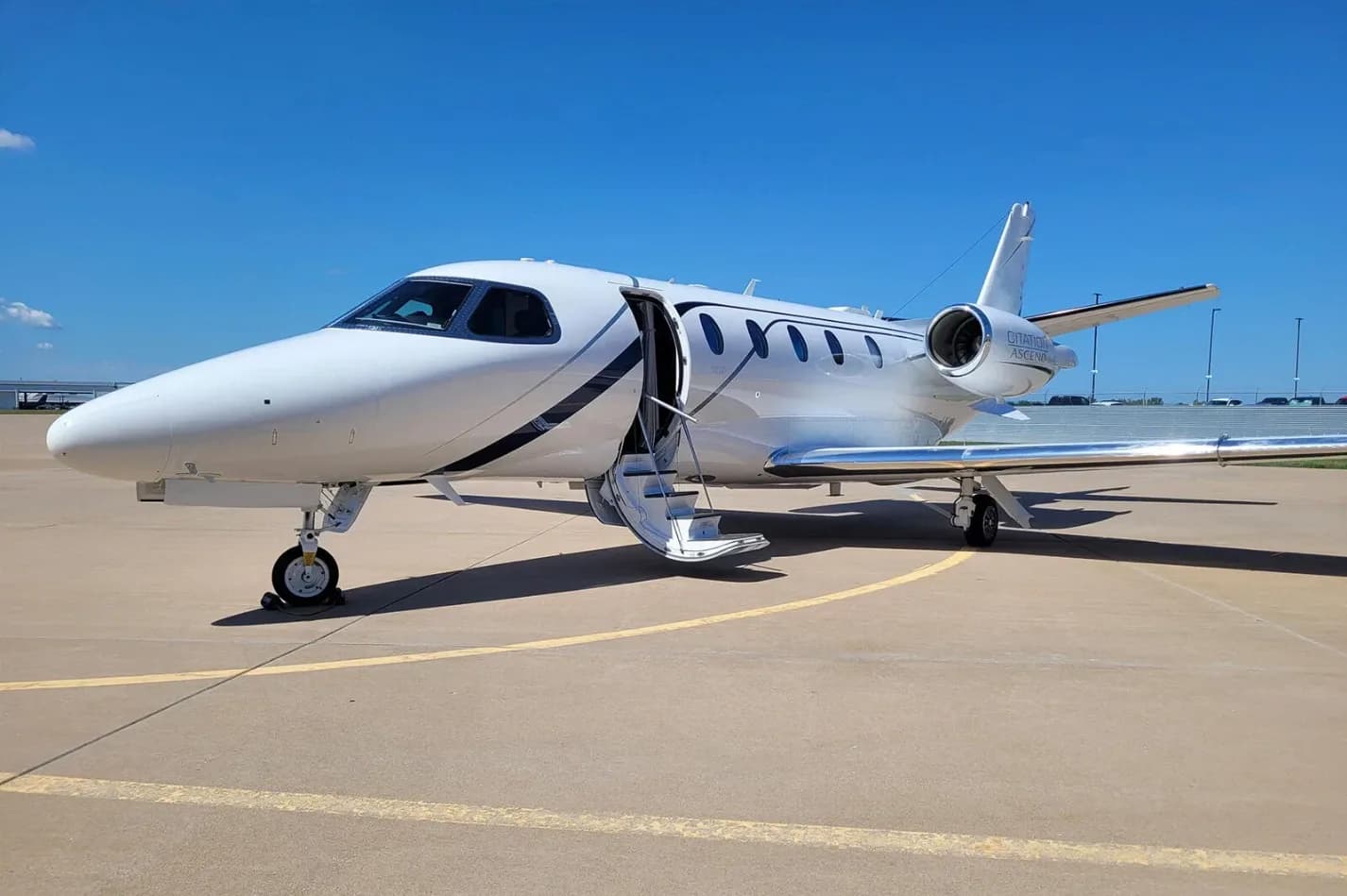
Cessna Citation Ascend
vsPraetor 600
Longer domestic and near-international itineraries with executive comfort.
Model range examples
2,700-4,018 nm
Published model seating
7-12 published seats
Cabin profile
Extended range cabin with enhanced baggage and galley flexibility
Category hourly planning range
$7,000–$9,500 per billable hour
Super Midsize Jet category-level whole-aircraft planning range; not a live offer or a model-specific quote. Pricing was reviewed August 29, 2026 and the current planning policy is effective through November 30, 2026. Only a current written proposal confirms the aircraft, direct carrier, inclusions, conditional charges and total trip price. See the pricing methodology and calculator for context.
A super midsize jet charter is an on-demand booking category generally associated with greater cabin height, including stand-up interiors on many models, plus more range, baggage capability, and work-and-rest space than many traditional midsize aircraft.
Jet Partners arranges charter as a charter services arranger. The properly licensed direct air carrier identified for the trip confirms the aircraft, approved configuration, routing, performance, and operational plan.
Page reviewed . Published specifications are planning references; the proposed aircraft documents and direct carrier determine the accepted trip.
Super midsize is a planning category rather than a single regulated specification. Representative aircraft from Textron Aviation, Bombardier, Gulfstream, and Embraer are commonly compared for transcontinental United States travel and selected near-international trips. However, manufacturers and charter providers do not always classify every model identically.
Published examples in this directory reach from the Citation Latitude's 2,700-nautical-mile maximum range to the Praetor 600 family's 4,018-nautical-mile published range under each manufacturer's stated assumptions. The exact model, manufacture year, refurbishment date, approved seat map, cabin equipment, baggage plan, and operating carrier remain tail- and trip-specific and must be confirmed in the proposal.
The super midsize segment developed to bridge conventional midsize aircraft and heavier large-cabin jets, with many newer designs adding stand-up interiors and transcontinental performance without automatically moving every trip into a heavy-jet category.
The Challenger 3500 lineage traces its type certification to the Challenger 300 in 2003. Gulfstream records the G280's first flight in 2009 and entry into service in 2012. Embraer introduced the Praetor family in 2018, then unveiled the next-generation Praetor 600E cabin in 2026.
That evolution creates a broad comparison set: travelers can evaluate established airframes alongside newer cabin, avionics, connectivity, and flight-control technology while selecting the aircraft around the actual itinerary rather than a model badge alone.
There is no single super midsize cabin volume or seat count. So useful comparisons name the aircraft and the source's measurement basis.
Textron publishes a 72-inch-high, 77-inch-wide, 25-foot-2-inch cabin and 112 cubic feet of baggage volume for the Citation Longitude, with as many as 12 occupants in manufacturer layouts. AOPA's G280 specification, which identifies its figures as manufacturer calculations, lists a 6-foot-3-inch-high, 7-foot-2-inch-wide, 25-foot-10-inch cabin, 935 cubic feet of cabin volume, and up to 10 passenger seats.
Bombardier lists nine standard and 10 maximum passenger seats for the Challenger 3500 and reports 1,060 cubic feet using a broader total-accessible pressurized-accommodation definition. So that figure should not be compared mechanically with every manufacturer's cabin-volume method.
Embraer lists eight standard and up to 12 optional passenger positions for the Praetor 600, together with 155 cubic feet of baggage and stowage volume.
Across the category, club seating and worktables support meetings and dining. Large windows provide natural light and a forward refreshment center or galley can support a longer day.
Fully berthable seats, cabin-management controls, power, Wi-Fi, entertainment, lighting, and lavatory equipment vary by model and individual tail. Current cabin photographs, the approved seating plan, connectivity details, and baggage access should therefore be confirmed before booking.
Published performance illustrates the category's breadth but does not guarantee a nonstop itinerary.
Textron lists the Citation Longitude at 3,500 nautical miles and 483 KTAS maximum cruise with Honeywell HTF7700L engines and Garmin G5000 avionics.
AOPA reports a 3,600-nautical-mile G280 long-range profile at Mach 0.80 and a 3,000-nautical-mile high-speed profile at Mach 0.84, together with Honeywell HTF7250G engines, PlaneView280 avionics, and a new wing. Its specification figures are identified as manufacturer calculations.
Bombardier lists the Challenger 3500 at a 3,400-nautical-mile theoretical maximum range, Mach 0.83 top speed, and Honeywell HTF7350 engines.
Embraer publishes 4,018 nautical miles at long-range cruise and 466 KTAS high-speed cruise for the Praetor 600, which combines Honeywell HTF7500E engines, Collins Aerospace Pro Line Fusion avionics, and full fly-by-wire controls.
These values use manufacturer-defined passenger, crew, reserve, atmospheric, and cruise assumptions. Winds, payload, runway limits, alternates, air traffic routing, weather, and the direct carrier's calculations determine the accepted operating plan for each leg.
Super midsize aircraft may suit coast-to-coast trips such as New York to Los Angeles, New York to San Francisco, Boston to Los Angeles, or Miami to Los Angeles. The travelers, bags, airports, weather and performance margins must suit the proposed aircraft. Eastbound and westbound legs should be considered separately because winds, temperature, payload, alternate-airport requirements, and crew duty can change the plan.
Share every airport and date, passenger count, total baggage, oversize items, pets, mobility or medical equipment, preferred time windows, ground destination, and cabin priorities when requesting options.
If aircraft age matters, request the tail number, manufacture year, refurbishment date, current cabin photographs, approved seat map, Wi-Fi system, and baggage plan in writing. A newer-aircraft preference is a request, not an availability guarantee.
Charter pricing is itinerary-specific. Any active planning range shown on the page is contextual. The written proposal remains the firm price before booking.
Super-midsize aircraft are often considered for longer domestic, Caribbean, and selected transcontinental missions when cabin comfort, baggage space, and range matter together. The category is a starting point, not an aircraft guarantee: passenger count, bags, runway conditions, weather, winds, reserves, and the operator’s performance calculations determine the final match.
Compare the actual aircraft offered, cabin and baggage configuration, operator, repositioning, schedule, and written trip terms. Disclose pets, mobility requirements, medical equipment, or other special handling before confirmation so the charter arranger and operating carrier can evaluate a specific aircraft and airport plan.
Jet Partners is a charter services arranger, not a direct air carrier. Flights are performed by properly licensed direct air carriers that retain operational control and make final safety and operational decisions.
This profile was reviewed September 7, 2026 using the sources below. They include manufacturer, regulator, operator-provided and other technical references. Performance and cabin figures are planning references. The proposed aircraft records and direct carrier control the accepted trip.
Some external technical or market references contain aircraft purchase values or operating-cost estimates. Those third-party figures are not Jet Partners charter quotes and are not reproduced on this page.
Textron Aviation
Reviewed August 28, 2026 for cabin, performance, engines, avionics.
Textron Aviation
Reviewed August 28, 2026 for cabin, performance, engines, avionics.
Bombardier
Reviewed August 28, 2026 for history, cabin, performance, engines.
Aircraft Owners and Pilots Association
Reviewed September 4, 2026 for cabin, performance, engines, avionics.
Embraer Executive Jets
Reviewed August 28, 2026 for cabin, performance, engines, avionics.
Embraer
Reviewed August 28, 2026 for history, production, cabin, performance, engines, avionics.
Electronic Code of Federal Regulations
Reviewed August 28, 2026 for charter arranger and operating-role context.
Continue through relevant city, route, category and pricing pages to define the mission before requesting a direct-carrier proposal.
Compare New York-area airports, ground-time priorities, and route-planning considerations before requesting an aircraft.
Continue planningReview Los Angeles-area airport choices and the local factors that can shape a coast-to-coast proposal.
Continue planningPlan from South Florida with airport, passenger, baggage, timing, and ground-destination requirements in view.
Continue planningEvaluate a canonical coast-to-coast mission with airport, wind, payload, and technical-stop questions kept trip-specific.
Continue planningCompare New York and Bay Area airport choices for a longer domestic super midsize mission.
Continue planningReview airport, cabin, baggage, and operating-plan factors for a Northeast-to-Southern California itinerary.
Continue planningExplore a South Florida-to-Los Angeles mission while leaving aircraft and nonstop feasibility to direct-carrier review.
Continue planningCompare larger-cabin aircraft when the party, baggage, cabin-zone, sleeping, or range requirements may exceed the proposed super midsize option.
Continue planningEstimate reviewed routes and review billable time, positioning, airport costs, taxes, fees, and the other factors that shape a written charter quote.
Continue planning