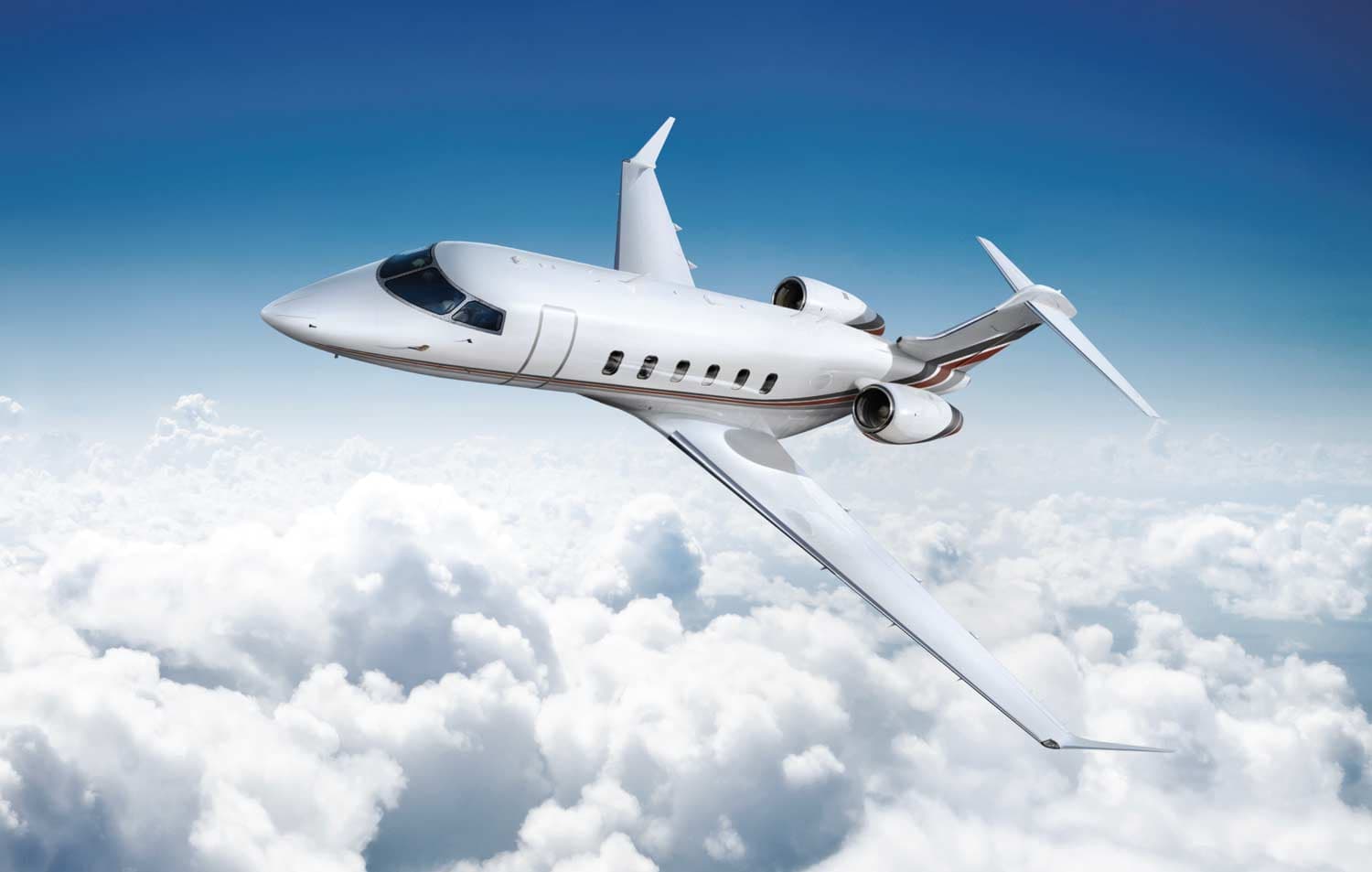
Bombardier Challenger 350 Private Jet: Range, Cabin and Charter Cost
Challenger 350 at a glance
Charter a Challenger 350 super-midsize jet. Compare 8–10-seat layouts, 860-cu-ft cabin, 106-cu-ft baggage, 3,200-nm range and 470-KTAS speed.
Jet Partners arranges on-demand charter as a charter services arranger. The selected direct air carrier confirms the aircraft and retains operational control.
Challenger 350 gallery
Challenger 350 facts
Published model references; the proposed aircraft and trip determine final suitability.
- Range
- Up to approximately 3,200 nm
- Bombardier launch reference with eight passengers under stated operating conditions; route, payload, speed, weather and reserves affect actual range.
- Passengers / seating
- Typically 8–9 executive passengers; up to 10 by selected approved layout
- Cruise speed
- Up to approximately 541 mph (470 knots)
- Cabin dimensions
- Cabin lengthApproximately 25 ft 2 inCabin width7 ft 2 inCabin height6 ft 1 in
- Luggage / baggage
- Approximately 106 cu ft
Challenger 350 charter specifications and market context
- Aircraft class
- Super Midsize Jet
- Manufacturer
- Bombardier Aerospace
- Category hourly planning range
- $7,000–$9,500 per billable hour
- Years manufactured
- 2014–2022
The Challenger 350 is a wide-cabin super-midsize aircraft that can be evaluated for transcontinental missions where travelers want a flat floor, large windows and accessible baggage. Its combination of executive seating and modernized cockpit technology supports comparison with adjacent models, but actual cabin equipment and availability remain tail- and carrier-specific.
Why the Challenger 350 remains a charter consideration
Bombardier launched the Challenger 350 in 2013 and began deliveries in 2014 as an evolution of the Challenger 300 type. New canted winglets, higher-thrust HTF7350 engines, Pro Line 21 Advanced avionics, larger windows and a redesigned cabin increased capability before the Challenger 3500 became the next production evolution in 2022.
Variant note. The Challenger 350 is not the Challenger 3500. Nuage seating and voice-controlled cabin functions are associated with the later 3500 and should not be assumed on a 350.
3D tour hosted on Matterport.
Overview and production sources
Super Midsize Jet category-level whole-aircraft planning range; not a live offer or a model-specific quote. Pricing was reviewed August 29, 2026 and the current planning policy is effective through November 30, 2026. Only a current written proposal confirms the aircraft, direct carrier, inclusions, conditional charges and total trip price.
Inside the Challenger 350
Typical charter cabins seat eight or nine passengers in two club zones, with selected approved layouts reaching 10 through a divan or auxiliary position. The finished cabin is approximately 860 cubic feet, about 25 feet 2 inches long, 7 feet 2 inches wide and 6 feet 1 inch high, with 106 cubic feet of in-flight-accessible baggage.
Larger windows increase natural light, while articulating seats, broad worktables, a modular forward galley, enclosed lavatory and nice HD cabin controls support productivity; Wi-Fi, power and catering details still vary by tail.
- Seat configuration
- Typically 8–9 executive passengers; up to 10 by selected approved layout
- Cabin volume
- Approximately 860 cu ft finished cabin
- Cabin dimensions
- Approximately 25 ft 2 in long × 7 ft 2 in wide × 6 ft 1 in high
- Baggage capacity
- Approximately 106 cu ft
Aft baggage is accessible in flight; loading limits, compartment geometry and auxiliary seating require tail-specific confirmation.
Cabin sources
Challenger 350 range, cruise speed and flight deck
Bombardier published a 3,200-nautical-mile mission with eight passengers and maximum cruise near 470 KTAS. Two Honeywell HTF7350 turbofans, Collins Pro Line 21 Advanced avionics, synthetic vision and canted winglets distinguish the 350 from the 300, while its swept wing supports efficient high-altitude cruise. The operating carrier must confirm payload, runway, weather, routing and reserves for each itinerary.
- Range reference
- Up to approximately 3,200 nm
- Bombardier launch reference with eight passengers under stated operating conditions; route, payload, speed, weather and reserves affect actual range.
- Cruise speed reference
- Up to approximately 470 KTAS
- Maximum-cruise planning reference; not block speed.
- Engines and efficiency context
- Two Honeywell HTF7350 turbofans
- Fuel use depends on the installed engines, thrust, altitude, payload and cruise settings. An engine model alone does not predict trip fuel use.
- Avionics
- Collins Pro Line 21 Advanced with synthetic vision, dual IRS and MultiScan weather radar
- Aerodynamic design
- Swept low wing with Challenger 350 canted winglets
Performance, engine and avionics sources
Is the Challenger 350 right for your charter?
A Challenger 350 can suit an eight- or nine-person coast-to-coast business or leisure mission where cabin width, working space and accessible luggage are important. Jet Partners can compare actual 350, 3500 and peer proposals, then disclose the direct carrier and verify tail, seating, connectivity, schedule, nonstop feasibility, firm price and terms.
Jet Partners compares trip-specific proposals as a charter services arranger.
Confirm these details in writing
- Aircraft, cabin layout, passenger count and baggage fit.
- Named direct air carrier and available trip-specific safety information.
- Runway, payload, weather, routing and possible technical-stop limits.
- Total price, inclusions, conditional charges and cancellation terms.
The properly licensed direct air carrier identified in the proposal retains operational control and makes the final flight-operational decisions.
Questions about chartering the Challenger 350
Is a Challenger 350 the same as a Challenger 3500?
What should I check for an eight- or nine-person Challenger 350 trip?
Does the Challenger 350 baggage volume show whether golf bags or skis fit?
How much does it cost to charter the Challenger 350?
Who operates a flight on the Challenger 350 arranged through Jet Partners?
Bombardier Challenger 350 vs. Challenger 3500
Compare these reviewed model references, then ask for the exact aircraft, cabin layout and trip calculation in writing.
Bombardier Challenger 350
Up to approximately 3,200 nm; Typically 8–9 executive passengers; up to 10 by selected approved layout; Approximately 106 cu ft baggage.
View Bombardier Challenger 350Challenger 3500
Up to 3,400 nm; 9 passengers standard; 10 passengers maximum; Approximately 106 cu ft baggage.
View Challenger 3500Challenger 350 technical sources
This profile was reviewed August 28, 2026 using the sources below. They include manufacturer, regulator, operator-provided and other technical references. Performance and cabin figures are planning references. The proposed aircraft records and direct carrier control the accepted trip.
Some external technical or market references contain aircraft purchase values or operating-cost estimates. Those third-party figures are not Jet Partners charter quotes and are not reproduced on this page.
View reviewed references
Bombardier
Bombardier launches Challenger 350 jet
Reviewed August 28, 2026 for history, production, cabin, performance, engines, avionics.
Transport Canada
Bombardier CL30 — Challenger 300 and Challenger 350 operational evaluation
Reviewed August 28, 2026 for history, production, engines, avionics.
Compare more aircraft with the Bombardier Challenger 350
Compare model-level cabin and performance references, then request the actual aircraft, direct carrier and written trip terms that fit the itinerary.
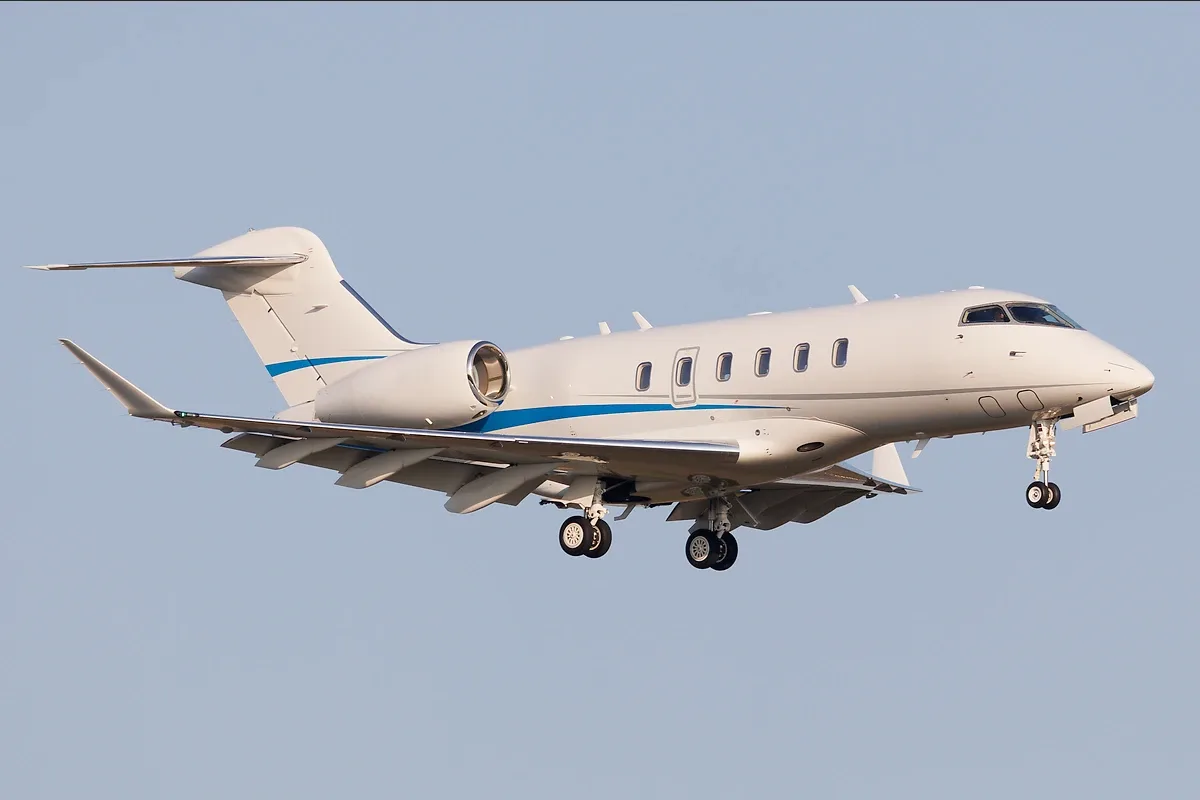
Challenger 3500
9 pax · 3,400 nm
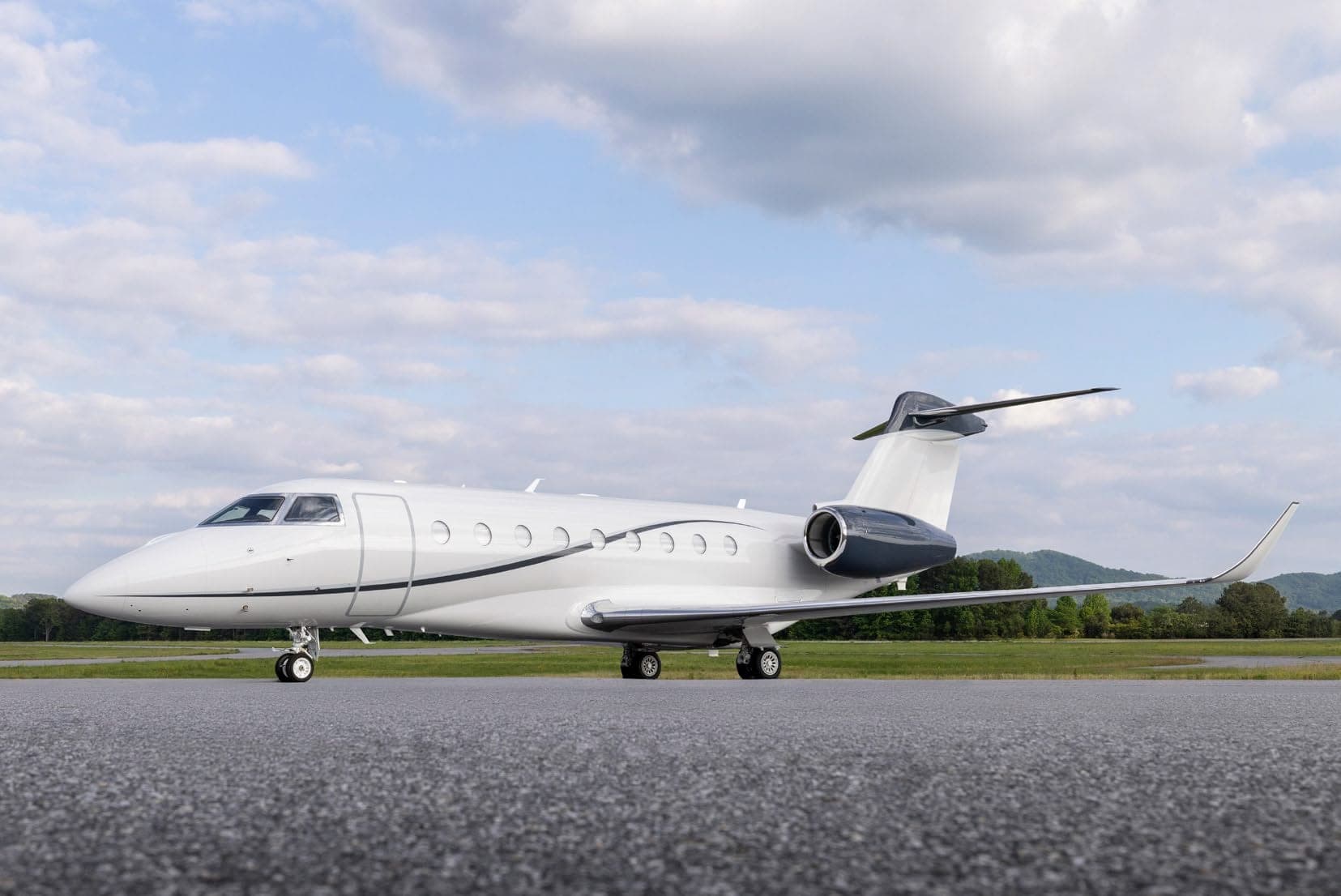
Gulfstream G280
10 pax · 3,600 nm
Model-matched 3D tour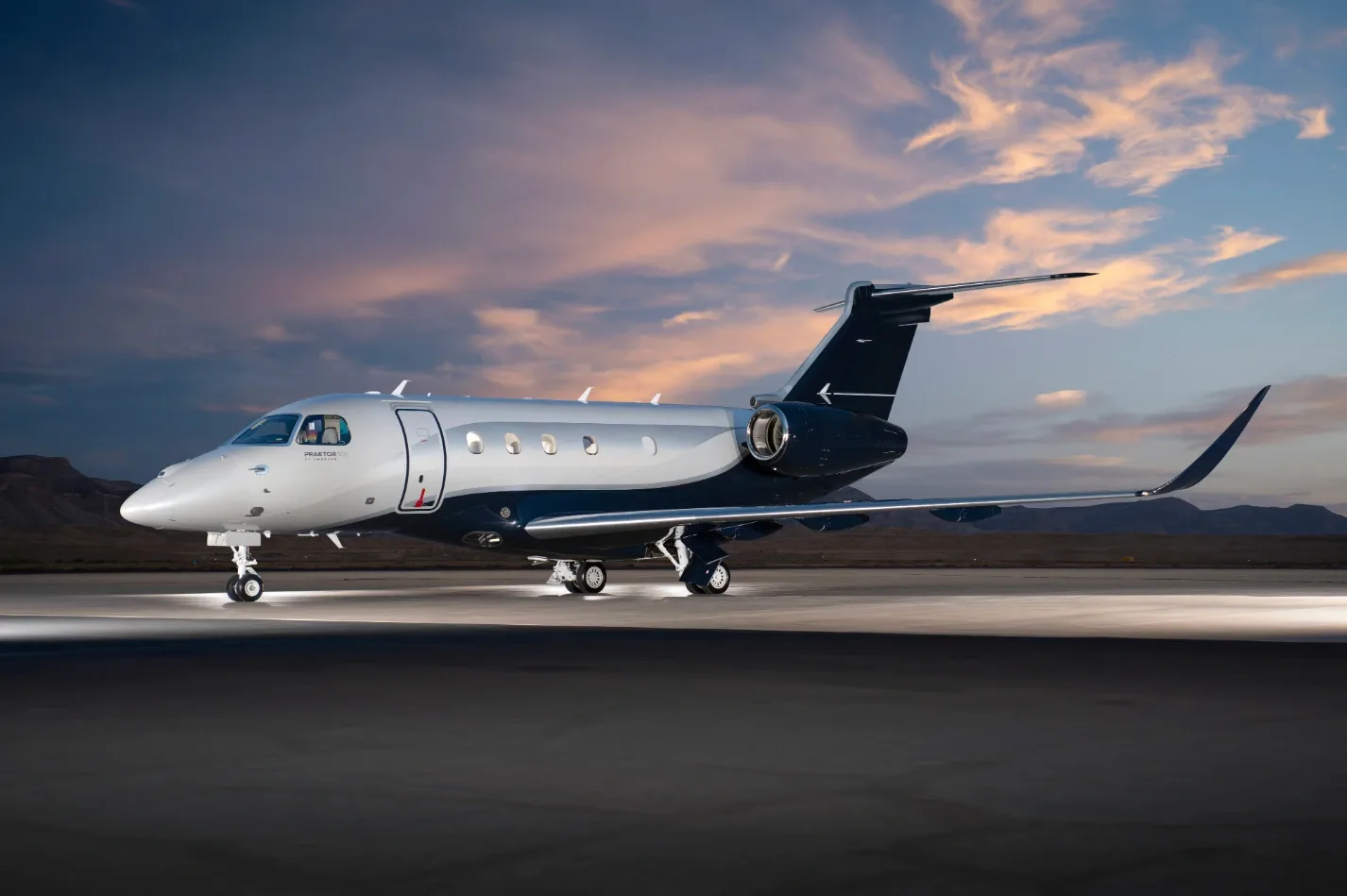
Praetor 500
9 pax · 3,340 nm
Model-matched 3D tour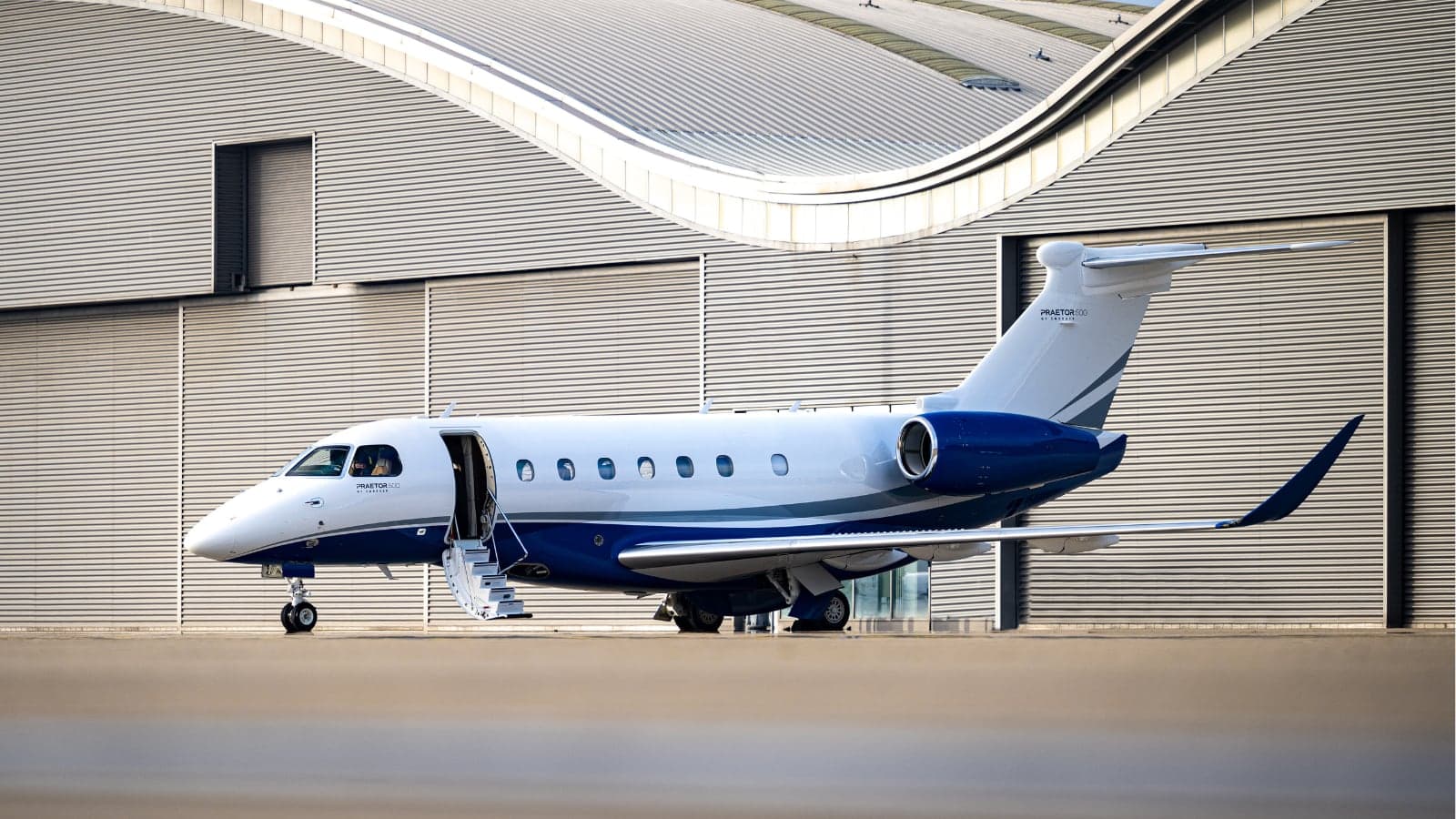
Praetor 600
12 pax · 4,018 nm
Model-matched 3D tour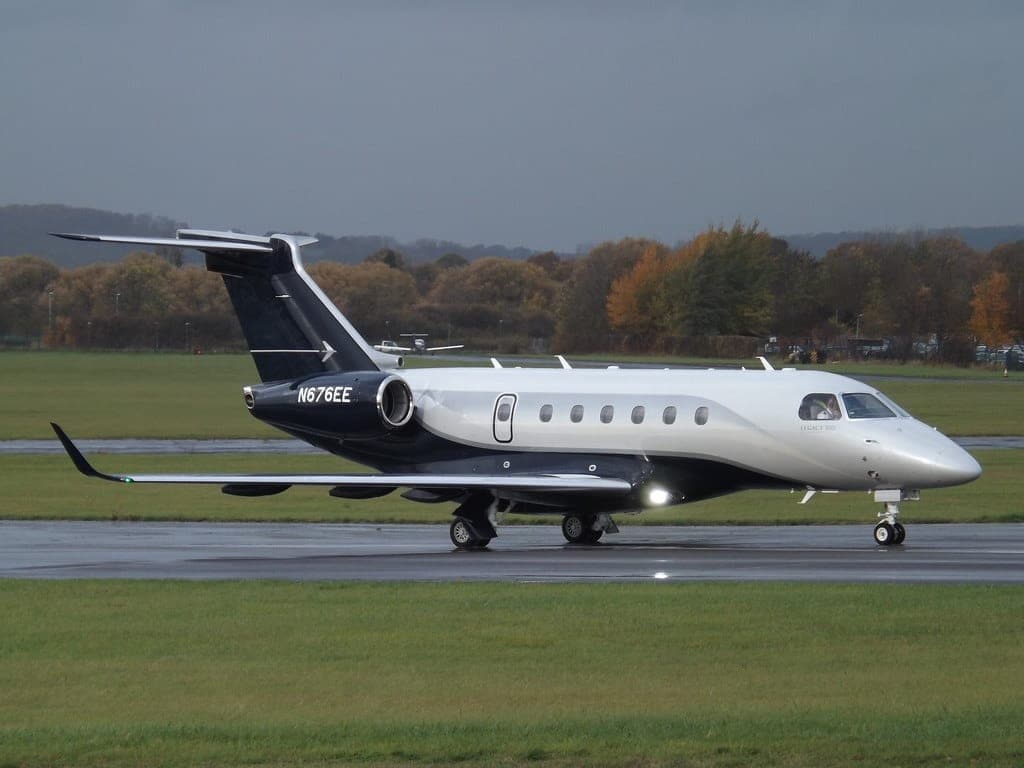
Legacy 500
9 pax · 3,125 nm
Model-matched 3D tour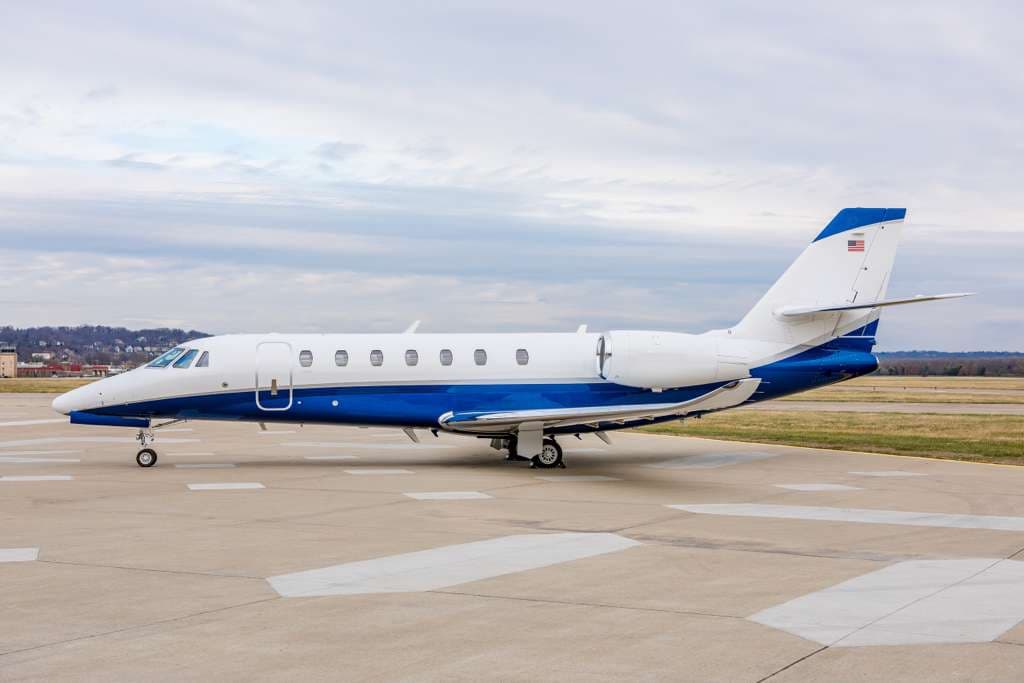
Cessna Citation Sovereign
7 pax · 2,898 nm
Model-matched 3D tour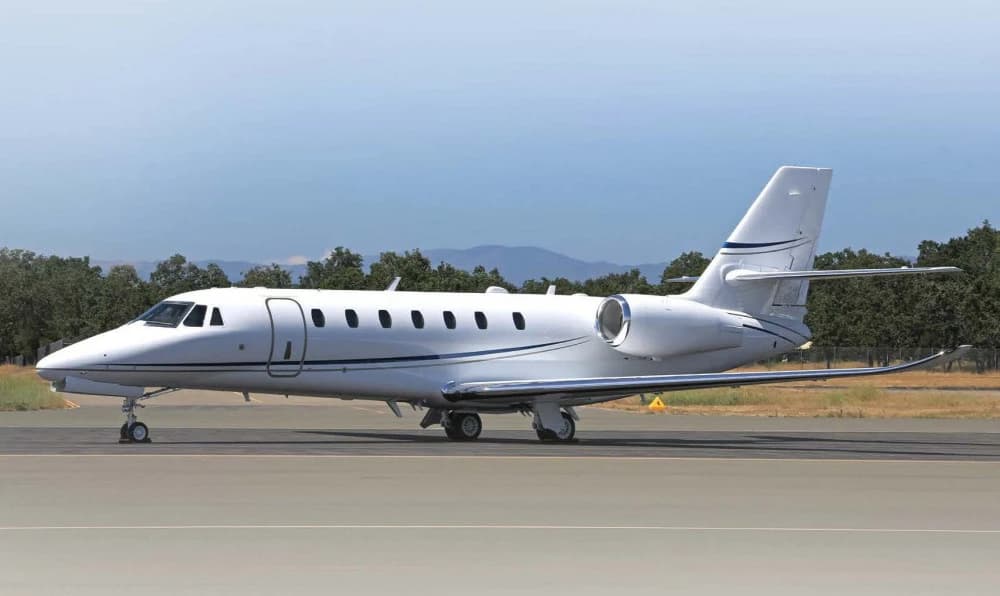
Cessna Citation Sovereign+
9 pax · 3,200 nm
Model-matched 3D tour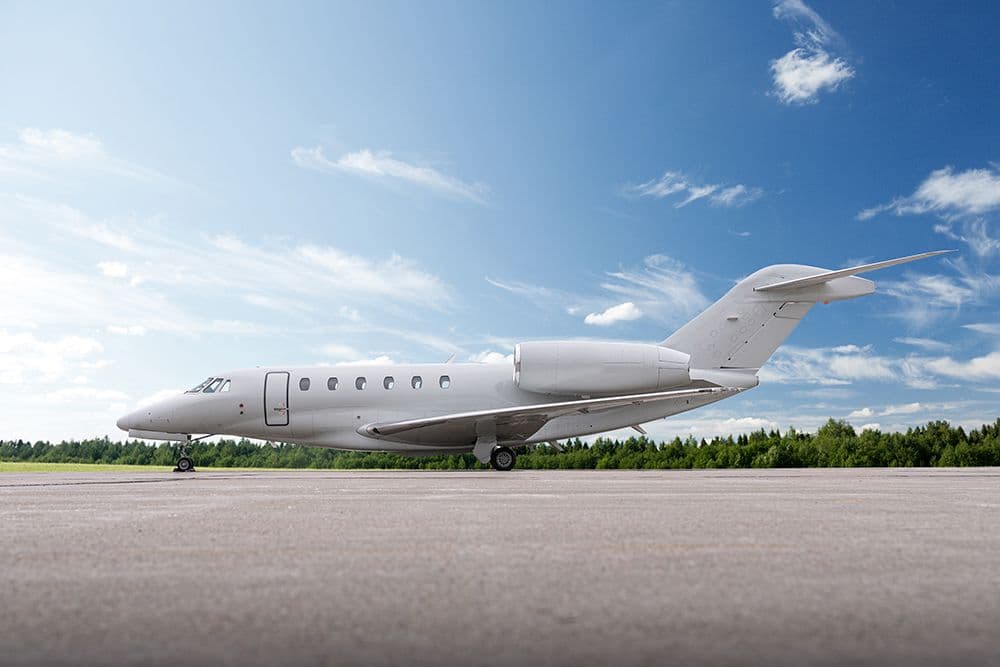
Cessna Citation X
8 pax · 3,326 nm
Model-matched 3D tourContinue Challenger 350 charter planning
Compare airport choices, route estimates and cabin categories, then request aircraft and direct-carrier options for your itinerary.
Super Midsize Jet Charter
Return to the published Super Midsize model directory and compare adjacent aircraft.
Continue planningNew York to Los Angeles
Review westbound transcontinental planning without treating a model as a nonstop guarantee.
Continue planningBoston to Los Angeles
Compare airport, payload, winds, reserves and written-trip considerations.
Continue planningPrivate Jet Charter Cost Calculator
Estimate reviewed routes, flight time and whole-aircraft planning ranges before requesting exact pricing.
Continue planningPrivate Jet Charter Safety
Review charter arranger, direct-carrier, operational-control and operator-vetting roles.
Continue planning