Turboprop Charter
Compare turboprop charter aircraft, cabins, baggage, runway access and mission fit. Request trip-specific pricing from a qualified direct carrier.
Explore Turboprops

Cessna Grand Caravan
12 pax · 871 nm
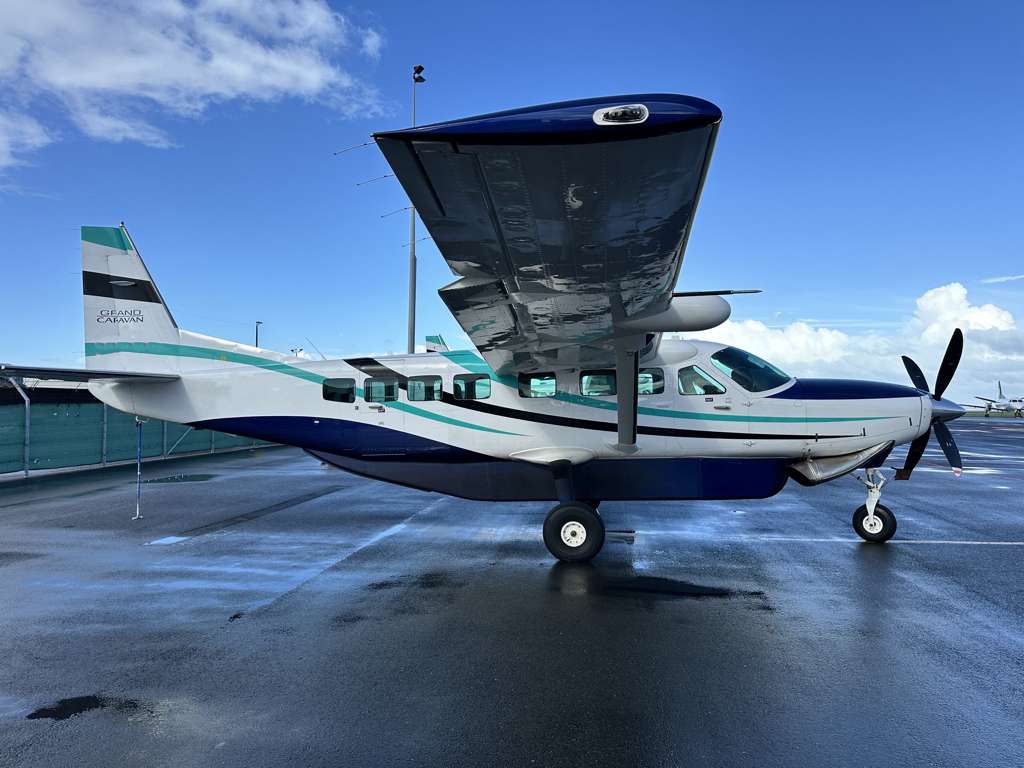
Cessna Grand Caravan EX
9 pax · 964 nm
Model-matched 3D tour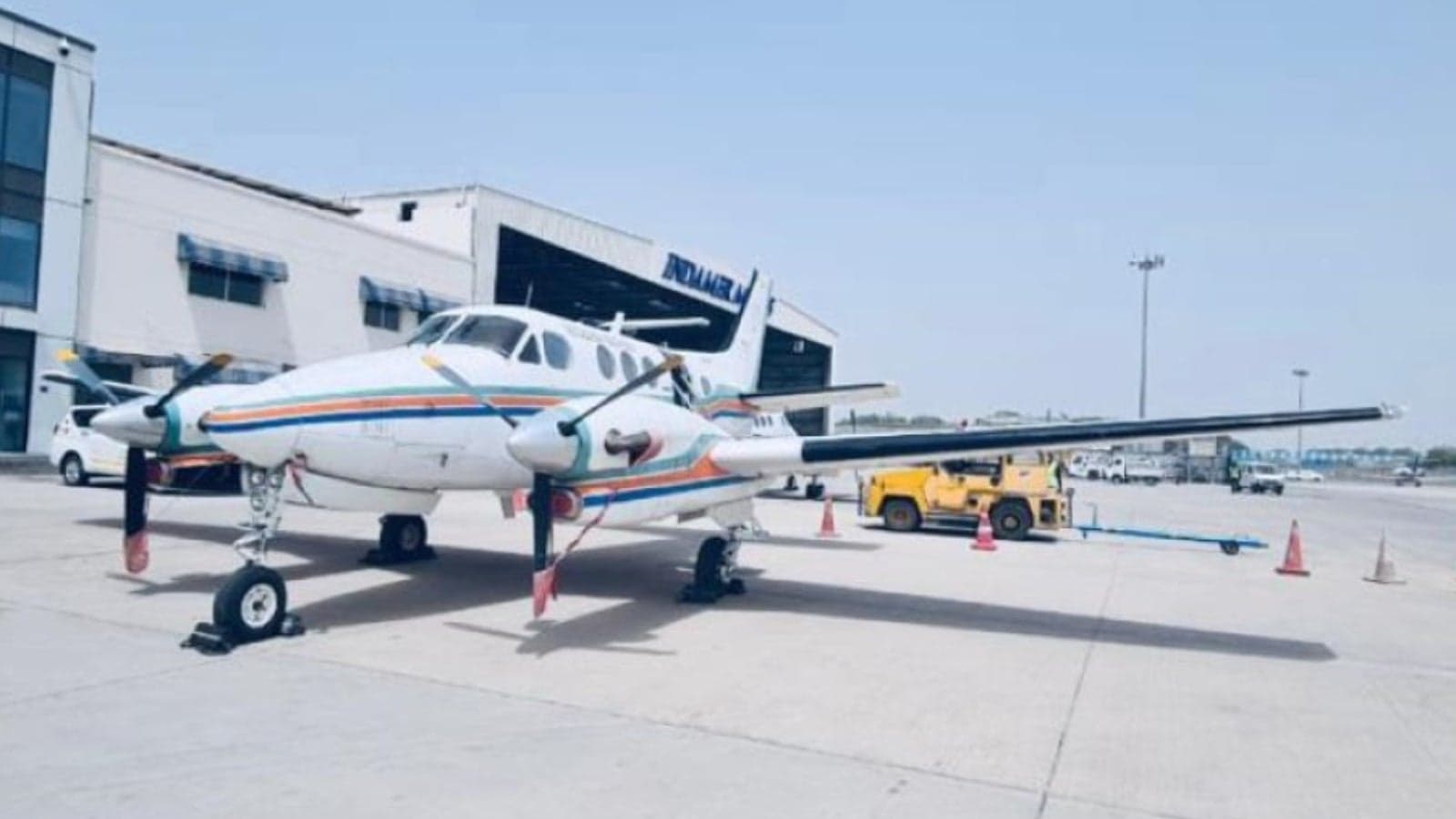
King Air C90
8 pax · 1,260 nm
Aircraft-family 3D reference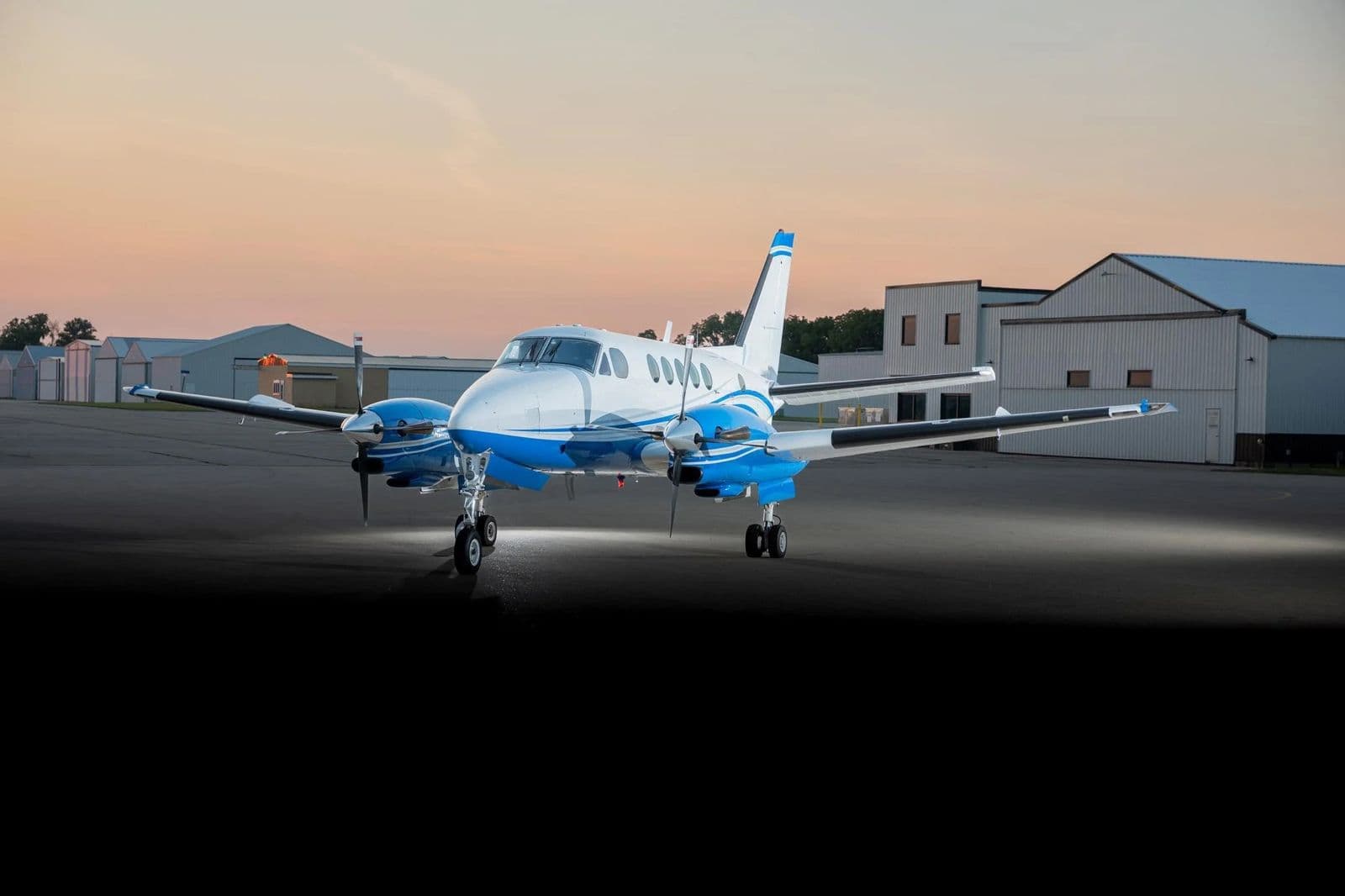
King Air 100
7 pax · 1,080 nm
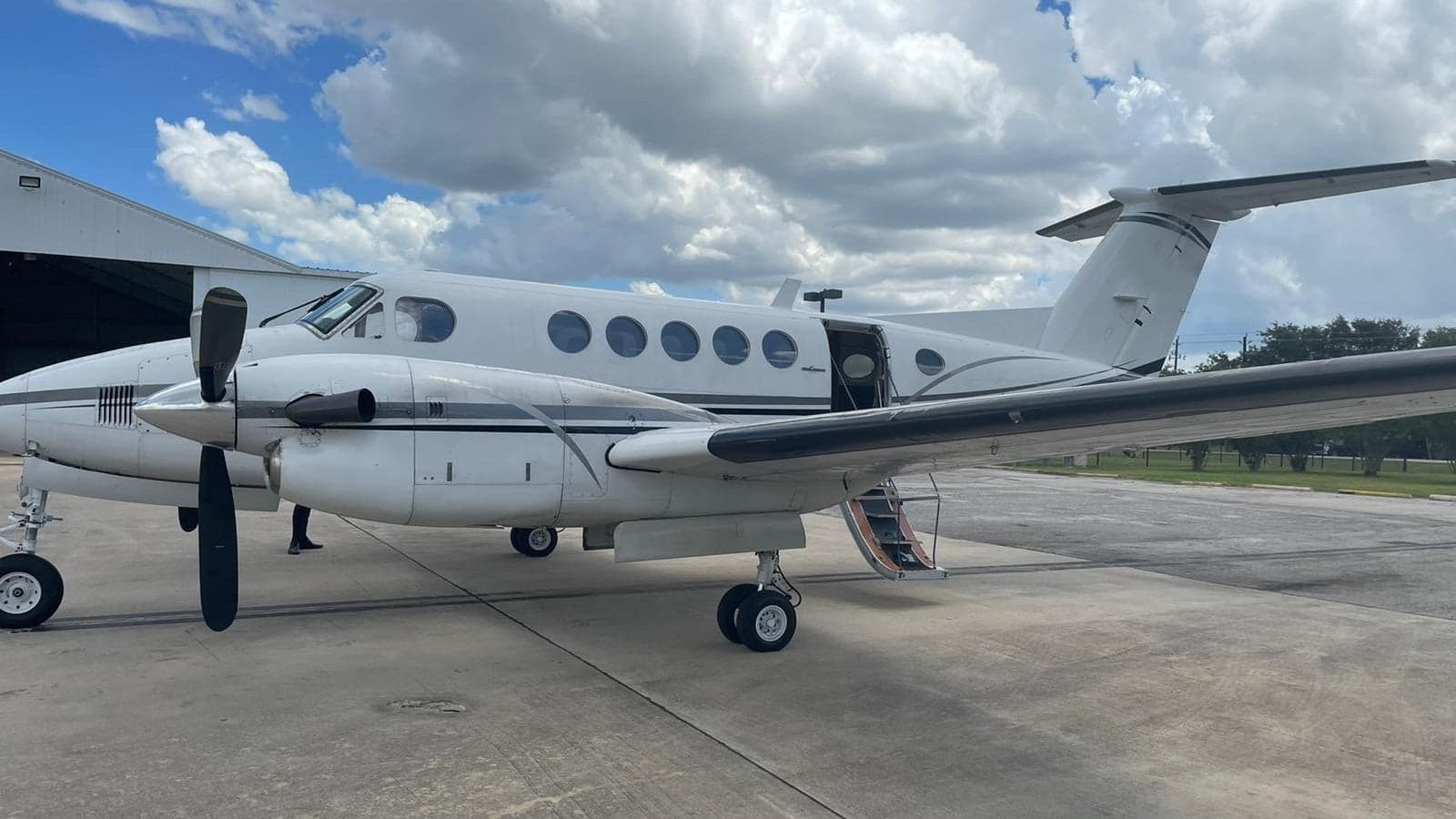
King Air 200
9 pax · 1,806 nm
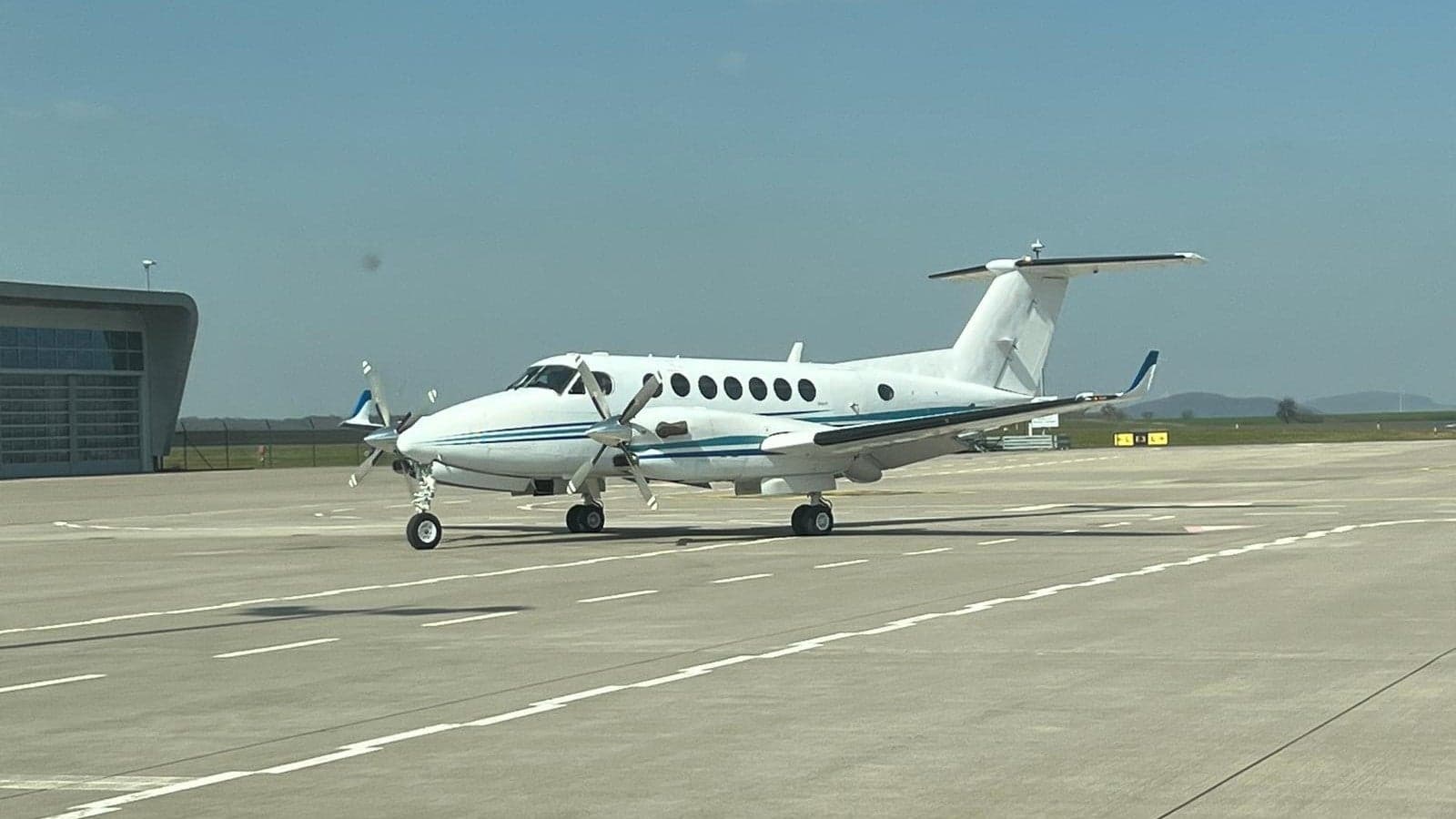
King Air 350
11 pax · 1,806 nm
Model-matched 3D tour
King Air 260
9 pax · 1,720 nm
Model-matched 3D tour
King Air 360
9 pax · 1,806 nm
Model-matched 3D tour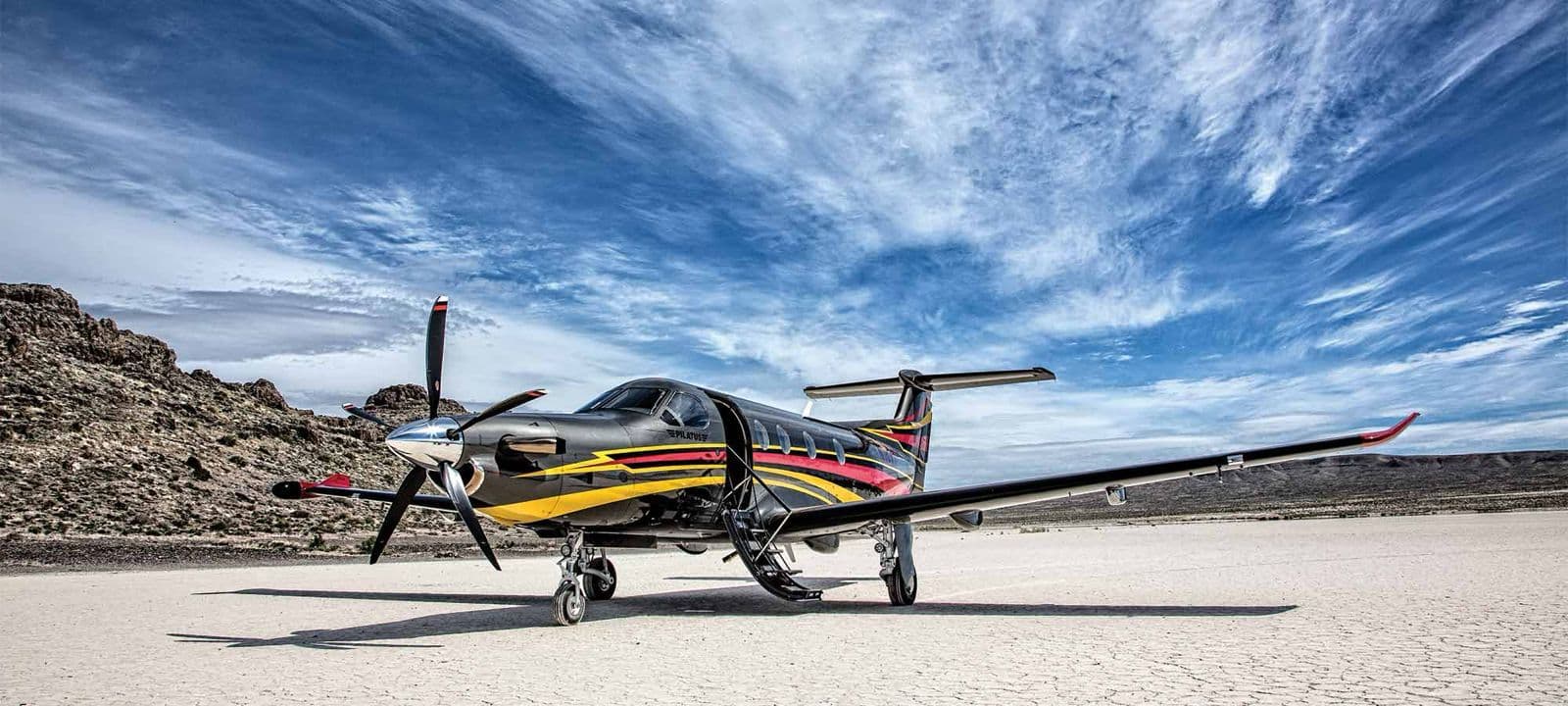
Pilatus PC-12
8 pax · 1,845 nm
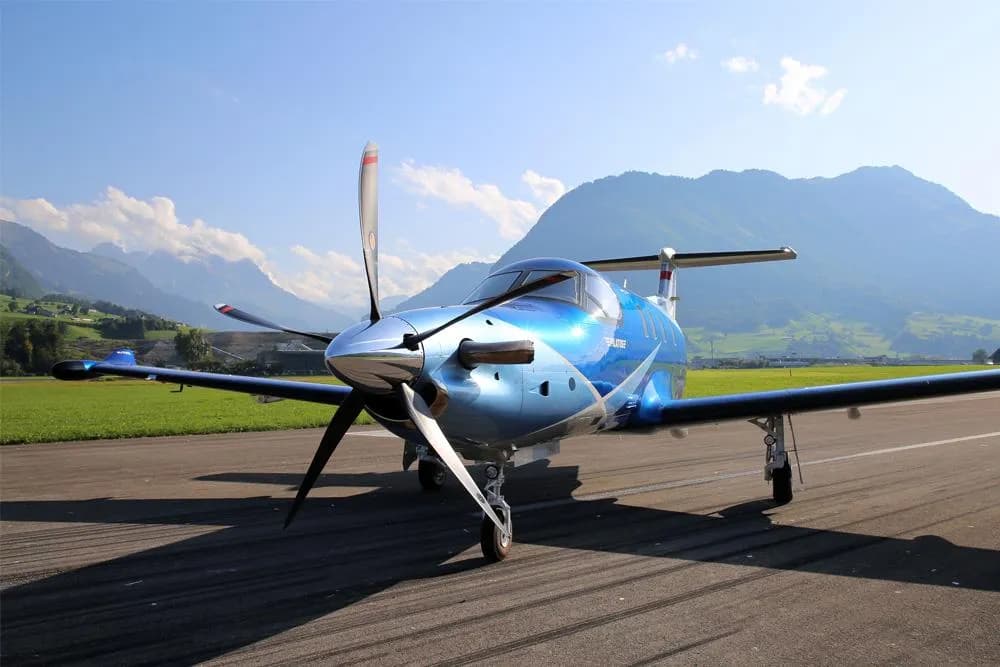
Pilatus PC-12 NGX
8 pax · 1,803 nm
Model-matched 3D tourAircraft decisions
Compare the aircraft, not just the category
Review model-level cabin, performance, baggage, pricing-basis and mission differences before requesting trip-specific options.
No published model-to-model comparison currently includes a Turboprop. Review individual model guides, then compare the proposed aircraft, cabin, baggage plan and written trip terms.
View all aircraft comparisonsMission fit
Short regional routes, utility missions, and airport access where jet performance is not required.
Model range examples
871-1,845 nm
Published model seating
7-12 published seats
Cabin profile
Cabin and baggage configuration vary by aircraft
Category hourly planning range
Request pricing
Turboprop pricing is itinerary-specific and is provided only in a written proposal. No generic Turboprop hourly range is published; the written proposal supplies the trip-specific price and terms. Only a current written proposal confirms the aircraft, direct carrier, inclusions, conditional charges and total trip price. See the pricing methodology and calculator for context.
Aircraft category details
What is turboprop charter?
Turboprop charter is on-demand access to a turbine-powered propeller aircraft commonly considered for regional trips, baggage-intensive travel and airports where runway performance may matter more than jet cruise speed.
The category includes pressurized executive singles and twins as well as utility-oriented aircraft. So Jet Partners can compare direct-carrier proposals around the complete itinerary but cannot treat the cabin, runway capability, model or availability as interchangeable or guaranteed.
Page reviewed . Published specifications are planning references; the proposed aircraft documents and direct carrier determine the accepted trip.
How turboprop charter fits private charter planning
The turboprop directory includes King Air, Pilatus PC-12 and Cessna Caravan reference models that serve materially different passenger and operational needs. A King Air may provide a traditional twin-engine executive cabin. A PC-12 can combine club seating with a large cargo door and flexible interior. A Caravan may emphasize payload and utility.
The category label alone cannot establish comfort, baggage capacity or airport suitability.
Turboprops can suit short regional sectors, island or mountain access, and airports closer to the traveler's ground destination. Before booking, compare light-jet alternatives for total door-to-door time, weather, positioning, cabin preference and the direct carrier's airport approval.
Category history and charter relevance
Beechcraft traces the King Air family to 1964, when the original Model 90 combined turbine performance with the ability to use smaller airports and shorter runways, establishing a formula that has remained important to business aviation.
Pilatus began PC-12 development in 1987, flew the first prototype in 1991 and delivered the two-thousandth PC-12 in 2023. Cessna's Caravan line developed a parallel reputation for passenger, cargo and multi-mission utility.
Those lineages explain why today's turboprop charter market spans long-serving airframes, refurbished executive interiors and current aircraft with digital avionics. However, manufacture year, engine generation, pressurization, cabin completion and installed equipment must be verified on the individual tail.
Turboprops interiors, seating and baggage
Turboprop cabins range from executive seating with worktables and an aft lavatory to commuter or utility layouts designed around passenger count and cargo. So no single cabin description applies across the category.
Beechcraft publishes a King Air 360 cabin measuring 57 inches high, 54 inches wide and 19 feet 6 inches long with 71.3 cubic feet of baggage volume, alongside redesigned seating, cabinetry, lighting, power and USB features.
The current PC-12 family adds a flat-floor cabin, large windows, flexible executive seating and a pallet-sized cargo door. Cessna describes the Grand Caravan EX with a 64-inch-wide cabin, broad passenger or freight configurations and a large cargo door.
Older PC-12, King Air and Carava charter tails can differ from current factory examples. So confirm seating ergonomics, natural light, refreshment equipment, lavatory privacy, power, connectivity, baggage access and every oversize item on the proposed aircraft.
Performance, engines and avionics
Manufacturer data demonstrates why turboprop performance must remain model-specific.
Beechcraft publishes a maximum cruise speed of 312 KTAS, a maximum range of 1,806 nautical miles and a 3,300-foot takeoff field length for the King Air 360.
For the current PC-12 PRO, Pilatus publishes 290 KTAS, a four-passenger maximum range of 1,765 nautical miles and a 2,485-foot takeoff distance over a 50-foot obstacle under stated conditions. Cessna's current Grand Caravan EX reference instead emphasizes payload and short-field utility.
The King Air 360 uses twin Pratt & Whitney Canada PT6A-60A engines with Collins Pro Line Fusion avionics and autothrottle. The current PC-12 PRO uses a PT6E-67XP engine and Garmin G3000 PRIME-based Advanced Cockpit Environment.
Winds, temperature, field elevation, runway surface, contamination, payload, reserves, operator approvals and insurance requirements govern real suitability. So grass, gravel, short-runway or nonstop capability must be confirmed for the exact aircraft and trip.
Compare the mission before selecting a category
A turboprop is commonly considered for shorter regional travel, remote or smaller-airport access, island trips and trips carrying substantial or irregular baggage. However, it is not automatically the least expensive or fastest door-to-door option. Share every airport, date, departure window, passenger, bag, pet, mobility requirement, catering request and ground-transfer priority so actual turboprop and light-jet proposals can be compared.
Request a trip-specific quote for turboprop pricing. Positioning, minimums, aircraft and carrier, airport and handling charges, weather, deicing, crew requirements, taxes and availability determine the written total.
Jet Partners is a charter services arranger, and the properly licensed direct carrier identified in the proposal operates the flight, retains operational control and makes the final runway, payload, weather, safety and scheduling decisions.
Questions to answer before requesting turboprop charter
How many passengers can a charter turboprop carry?
Can a turboprop use a short, grass or gravel runway?
How much does a turboprop charter cost?
Should I choose a turboprop or a light jet?
Can a turboprop carry skis, golf clubs, bicycles or pets?
Who operates a turboprop flight arranged through Jet Partners?
Turboprop Charter sources
This profile was reviewed September 7, 2026 using the sources below. They include manufacturer, regulator, operator-provided and other technical references. Performance and cabin figures are planning references. The proposed aircraft records and direct carrier control the accepted trip.
Some external technical or market references contain aircraft purchase values or operating-cost estimates. Those third-party figures are not Jet Partners charter quotes and are not reproduced on this page.
View reviewed references
Textron Aviation
Beechcraft King Air 360
Reviewed August 28, 2026 for cabin, performance, engines, avionics.
Pilatus Aircraft
PC-12 PRO overview
Reviewed August 28, 2026 for cabin, performance, engines, avionics.
Pilatus Aircraft
Pilatus hands over the 2,000th PC-12
Reviewed August 28, 2026 for history, production.
Textron Aviation
Cessna Grand Caravan EX
Reviewed August 28, 2026 for production, cabin, performance, engines, avionics.
Federal Aviation Administration
Safe Air Charter
Reviewed August 28, 2026 for charter arranger and operating-role context.
Electronic Code of Federal Regulations
14 CFR Part 295
Reviewed August 28, 2026 for charter arranger and operating-role context.
Continue turboprop charter planning
Continue through relevant city, route, category and pricing pages to define the mission before requesting a direct-carrier proposal.
New York private jet charter
Compare New York-area airports before evaluating a turboprop for a Northeast regional mission.
Continue planningSouth Florida private jet charter
Review Miami, Palm Beach and Naples-area airport considerations for regional and island-oriented travel.
Continue planningSavannah private jet charter
Plan a regional itinerary where turboprop and light-jet cabin, baggage and airport fit can be compared.
Continue planningNew York to Nantucket charter planning
Review a quote-only regional route that already compares turboprop and light-jet mission profiles.
Continue planningDallas to Aspen charter planning
Consider aircraft, payload, field elevation, terrain and weather for a trip where turboprops may be evaluated.
Continue planningCompare light jet charter
Compare a jet alternative when cruise time, cabin preference or the complete itinerary points to another category.
Continue planning