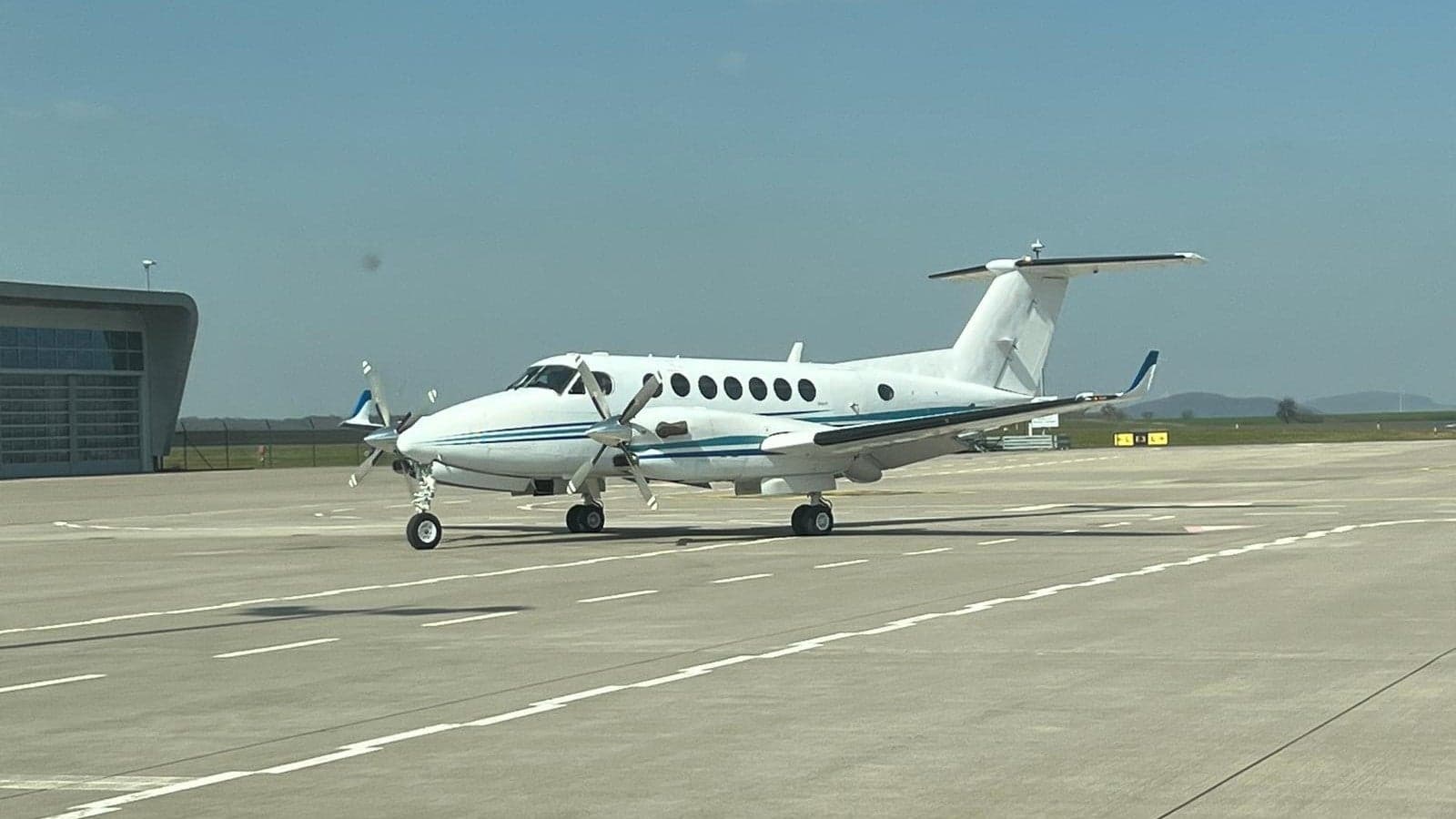
Beechcraft King Air 350 Private Aircraft: Range, Cabin and Charter Cost
King Air 350 at a glance
Request a quote-only King Air 350 charter and review its eight- to nine-seat cabin, 71.3-cu-ft baggage, 312-KTAS cruise and 350i boundaries.
Jet Partners arranges on-demand charter as a charter services arranger. The selected direct air carrier confirms the aircraft and retains operational control.
King Air 350 gallery
King Air 350 facts
Published model references; the proposed aircraft and trip determine final suitability.
- Range
- Up to approximately 1,806 nm
- Late 350/350i maximum-range reference under favorable or ferry-style assumptions; passenger charter requires carrier planning.
- Passengers / seating
- Typically 8–9 executive passengers in double-club or mixed layouts
- Cruise speed
- Up to approximately 359 mph (312 knots)
- Cabin dimensions
- Cabin length19 ft 6 inCabin width4 ft 6 inCabin height4 ft 9 in
- Luggage / baggage
- Approximately 71.3 cu ft total with standard wing lockers; about 55.3 cu ft pressurized
King Air 350 charter specifications and market context
- Aircraft class
- Turboprop
- Manufacturer
- Beech Aircraft and successor companies, now Textron Aviation
- Category hourly planning range
- Request pricing
- Years manufactured
- 1990–2020 across King Air 350 and 350i production; King Air 360 entered service in 2020
The Beechcraft King Air 350 is the stretched B300 member of the twin-turboprop family, offering a longer cabin and greater passenger and baggage utility than the 200 series. It can be considered for regional charter when a group needs eight or nine executive seats and secondary-airport access. However, baseline 350, 350i, cargo-door and extended-range configurations have different interiors, avionics and trip profiles.
Why the King Air 350 remains a charter consideration
Beech began developing a stretched Model 300 replacement in the late 1980s, adding nearly three feet of fuselage, extra cabin windows and winglets to create the B300 marketed from 1990 as the Super King Air 350. Later 350i aircraft introduced upgraded cabin-management and avionics standards.
The King Air 360 entered service in November 2020 with digital pressurization, autothrottle and a redesigned cabin, establishing a clear successor boundary for this profile.
Variant note. Baseline 350, later 350i, cargo-door 350C and extended-range 350ER configurations differ. This profile does not apply 360 digital-pressurization or autothrottle standards to a 350.
3D tour hosted on Matterport.
Overview and production sources
- Textron Aviation — Beechcraft celebrates 50th anniversary of King Air's first flight
- European Union Aviation Safety Agency — EASA.IM.A.277 — Beechcraft King Air B200 and B300 series
- Civil Aviation Authority of New Zealand — Type Acceptance Report — Textron 200 and 300 King Air series
- Textron Aviation — King Air 360 enters into service with first delivery
Turboprop pricing is itinerary-specific and is provided only in a written proposal. No generic Turboprop hourly range is published; the written proposal supplies the trip-specific price and terms. Only a current written proposal confirms the aircraft, direct carrier, inclusions, conditional charges and total trip price.
Inside the King Air 350
King Air 350 charter layouts commonly seat eight or nine passengers in a double-club or club-and-aft-seat arrangement with swiveling executive chairs, pull-out worktables, a forward refreshment center and a private aft lavatory.
The approximately 356-cubic-foot cabin is 19 feet 6 inches long, 4 feet 6 inches wide and 4 feet 9 inches high, with more windows than the 200 series and approximately 71.3 cubic feet of total baggage volume when the standard wing lockers are counted. About 55.3 cubic feet is heated, pressurized and accessible in flight.
Natural light and conversational seating support work or relaxation. Venue cabin management, Wi-Fi, power, entertainment, cooling and galley details vary between 350, 350i and refurbished aircraft.
- Seat configuration
- Typically 8–9 executive passengers in double-club or mixed layouts
- Cabin volume
- Approximately 356 cu ft
- Cabin dimensions
- 19 ft 6 in long × 4 ft 6 in wide × 4 ft 9 in high
- Baggage capacity
- Approximately 71.3 cu ft total with standard wing lockers; about 55.3 cu ft pressurized
The total combines the heated, pressurized in-flight-accessible compartment with wing lockers; extended-range tanks, cargo-door configurations and operator rules change usable capacity.
King Air 350 range, cruise speed and flight deck
Late King Air 350 and 350i references place maximum cruise near 312 KTAS and maximum range near 1,806 nautical miles under favorable ferry-style assumptions, with passenger trips requiring a separate payload and reserve analysis. Two Pratt & Whitney Canada PT6A-60A engines power the extended, winglet-equipped low wing and T-tail platform.
Avionics progressed from earlier Collins systems through Pro Line 21 and Pro Line Fusion, and extended-range or cargo-door variants must be identified separately.
- Range reference
- Up to approximately 1,806 nm
- Late 350/350i maximum-range reference under favorable or ferry-style assumptions; passenger charter requires carrier planning.
- Cruise speed reference
- Up to approximately 312 KTAS
- Late King Air 350-family maximum-cruise reference; not trip-average or block speed.
- Engines and efficiency context
- Two Pratt & Whitney Canada PT6A-60A turboprops
- Fuel use depends on the installed engines, thrust, altitude, payload and cruise settings. An engine model alone does not predict trip fuel use.
- Avionics
- Earlier Collins configurations, Collins Pro Line 21 or Pro Line Fusion depending on production and upgrade status
- Aerodynamic design
- Stretched B300 fuselage, extended low wing with winglets, T-tail and reversible propellers
Performance, engine and avionics sources
- European Union Aviation Safety Agency — EASA.IM.A.277 — Beechcraft King Air B200 and B300 series
- Civil Aviation Authority of New Zealand — Type Acceptance Report — Textron 200 and 300 King Air series
- Textron Aviation Pre-Owned Direct — 2004 King Air 350 FL-415 aircraft specification
- Textron Aviation — King Air 360 enters into service with first delivery
Is the King Air 350 right for your charter?
The King Air 350 can fit larger regional groups, sports or event travel, corporate shuttles and trips where cabin length and baggage volume are more important than jet speed.
Jet Partners keeps King Air 350 charter quote-only and will ask the direct carrier to confirm 350 versus 350i or special variant, seating, baggage, cabin technology, runway analysis, route, crew and written terms before commitment.
Jet Partners compares trip-specific proposals as a charter services arranger.
Confirm these details in writing
- Aircraft, cabin layout, passenger count and baggage fit.
- Named direct air carrier and available trip-specific safety information.
- Runway, payload, weather, routing and possible technical-stop limits.
- Total price, inclusions, conditional charges and cancellation terms.
The properly licensed direct air carrier identified in the proposal retains operational control and makes the final flight-operational decisions.
Questions about chartering the King Air 350
How many passengers can the King Air 350 carry?
What is the charter range of the King Air 350?
What should I verify when comparing King Air 350 variants?
How much does it cost to charter the King Air 350?
What cabin amenities are available on the King Air 350?
How much luggage can the King Air 350 carry?
Can I travel with pets on the King Air 350?
Can catering and the cabin setup be arranged for the King Air 350?
How far ahead should I book the King Air 350?
Who operates a flight on the King Air 350 arranged through Jet Partners?
Beechcraft King Air 350 vs. King Air 360
Compare these reviewed model references, then ask for the exact aircraft, cabin layout and trip calculation in writing.
Beechcraft King Air 350
Up to approximately 1,806 nm; Typically 8–9 executive passengers in double-club or mixed layouts; Approximately 71.3 cu ft total with standard wing lockers; about 55.3 cu ft pressurized baggage.
View Beechcraft King Air 350King Air 360
Up to 1,806 nm; Typically 8–9 executive passengers; maximum passenger positions depend on crew within the 11-occupant limit; 71.3 cu ft baggage.
View King Air 360King Air 350 technical sources
This profile was reviewed August 28, 2026 using the sources below. They include manufacturer, regulator, operator-provided and other technical references. Performance and cabin figures are planning references. The proposed aircraft records and direct carrier control the accepted trip.
Some external technical or market references contain aircraft purchase values or operating-cost estimates. Those third-party figures are not Jet Partners charter quotes and are not reproduced on this page.
View reviewed references
Textron Aviation
Beechcraft celebrates 50th anniversary of King Air's first flight
Reviewed August 28, 2026 for history, production.
European Union Aviation Safety Agency
EASA.IM.A.277 — Beechcraft King Air B200 and B300 series
Reviewed August 28, 2026 for production, engines.
Civil Aviation Authority of New Zealand
Type Acceptance Report — Textron 200 and 300 King Air series
Reviewed August 28, 2026 for history, production, performance, engines, avionics.
Textron Aviation Pre-Owned Direct
2004 King Air 350 FL-415 aircraft specification
Reviewed August 28, 2026 for cabin, engines, avionics.
Textron Aviation
King Air 360 enters into service with first delivery
Reviewed August 28, 2026 for history, production, cabin, avionics.
Compare more aircraft with the Beechcraft King Air 350
Compare model-level cabin and performance references, then request the actual aircraft, direct carrier and written trip terms that fit the itinerary.
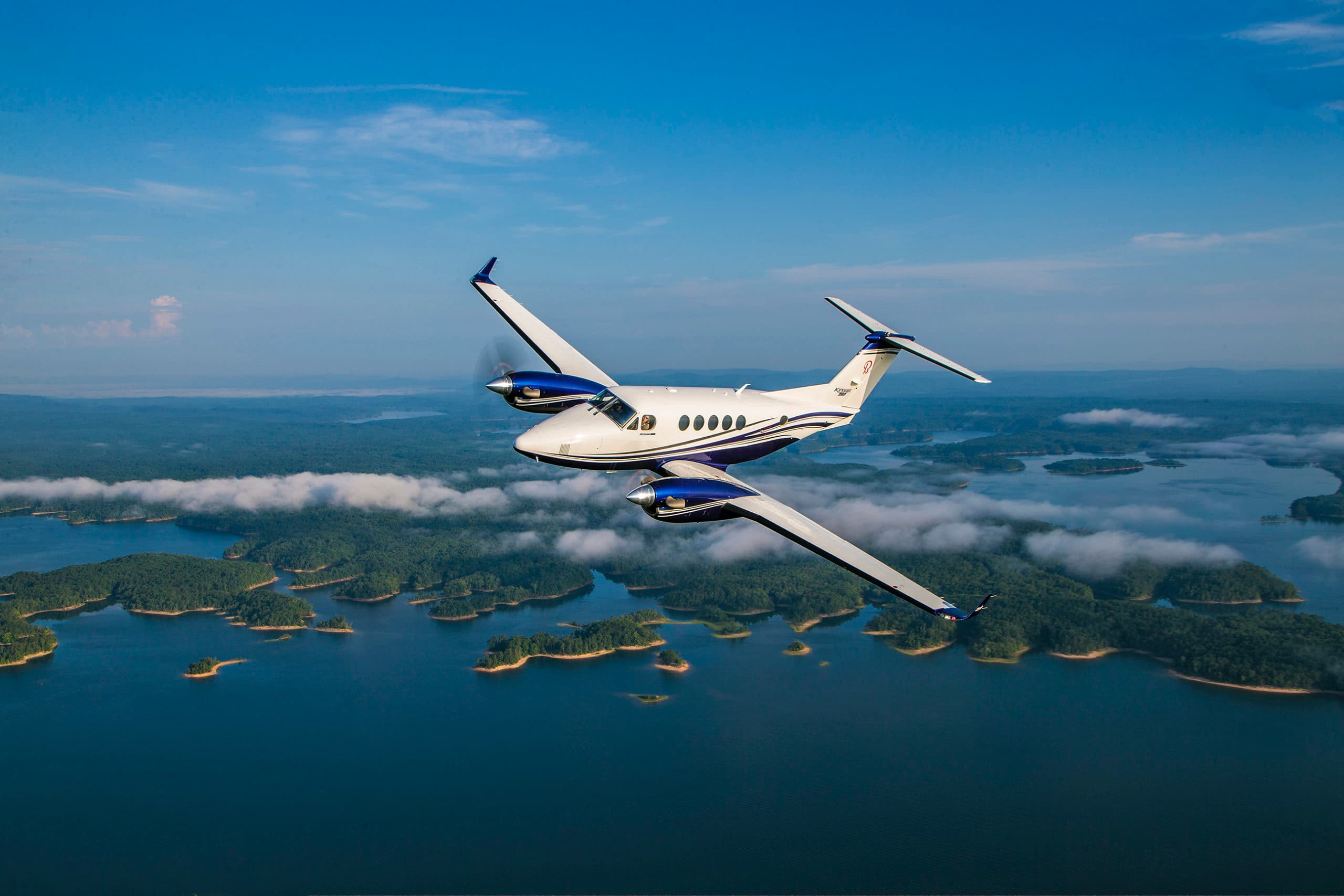
King Air 260
9 pax · 1,720 nm
Model-matched 3D tour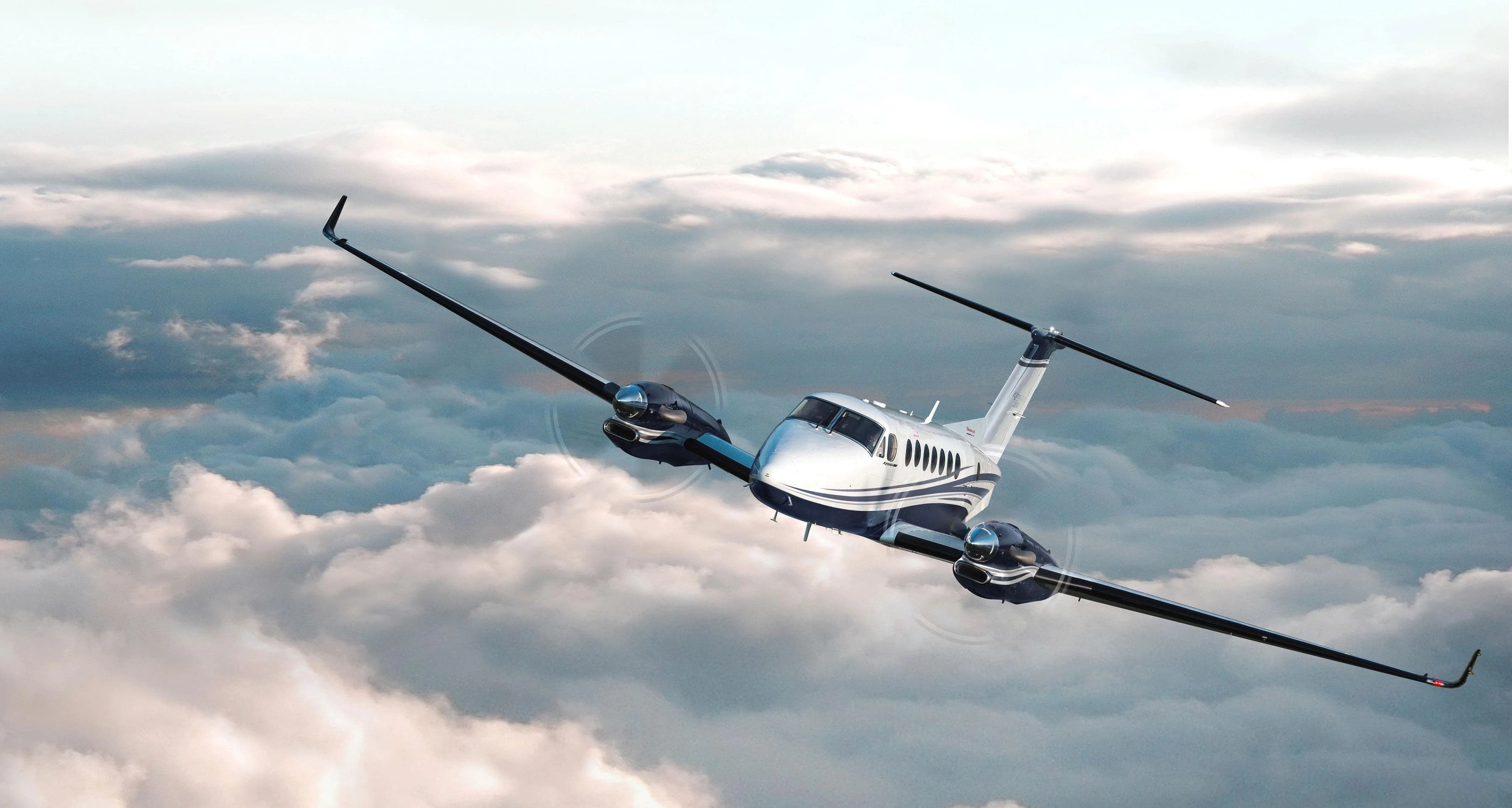
King Air 360
9 pax · 1,806 nm
Model-matched 3D tour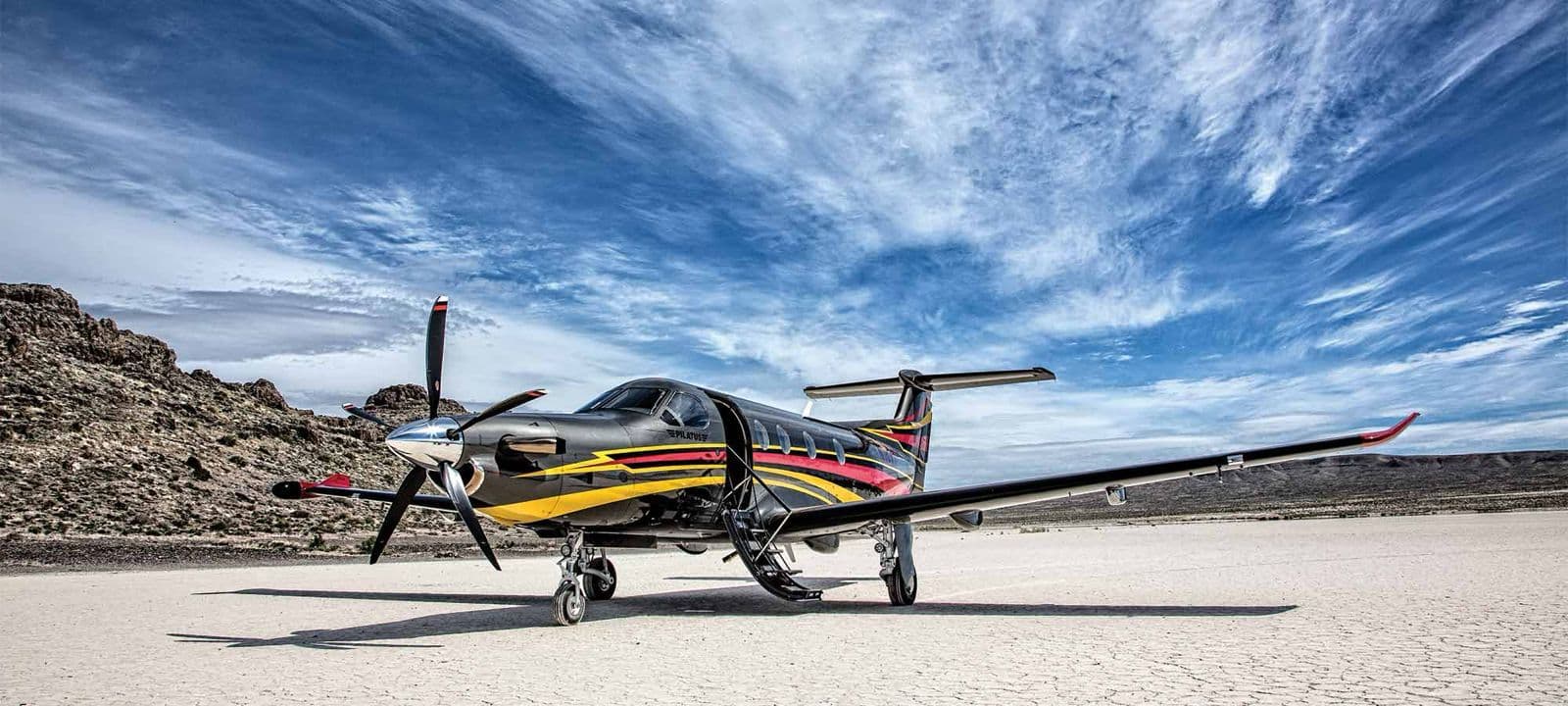
Pilatus PC-12
8 pax · 1,845 nm
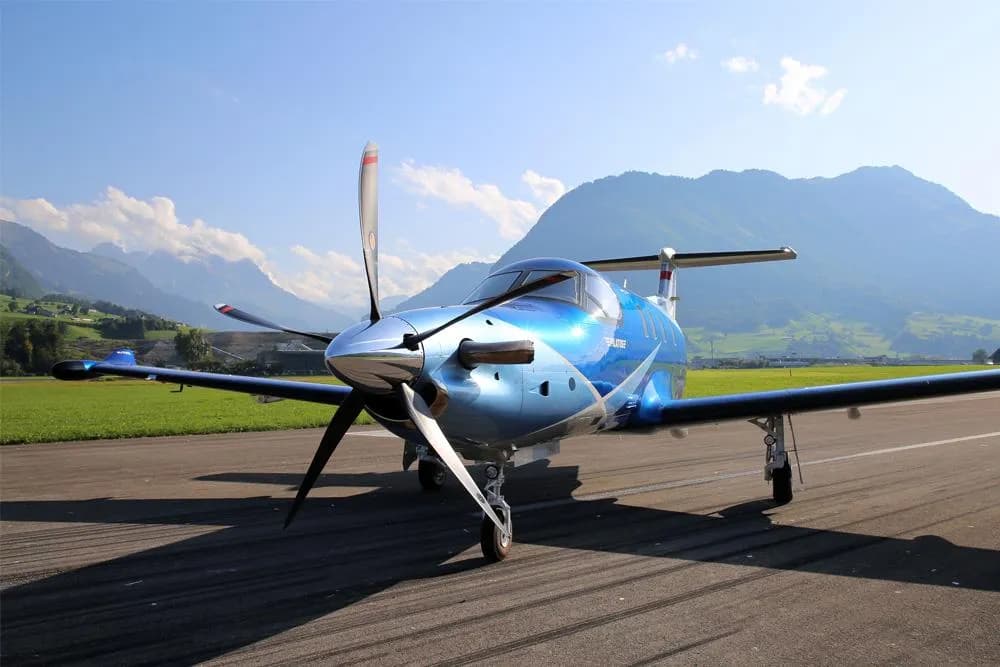
Pilatus PC-12 NGX
8 pax · 1,803 nm
Model-matched 3D tour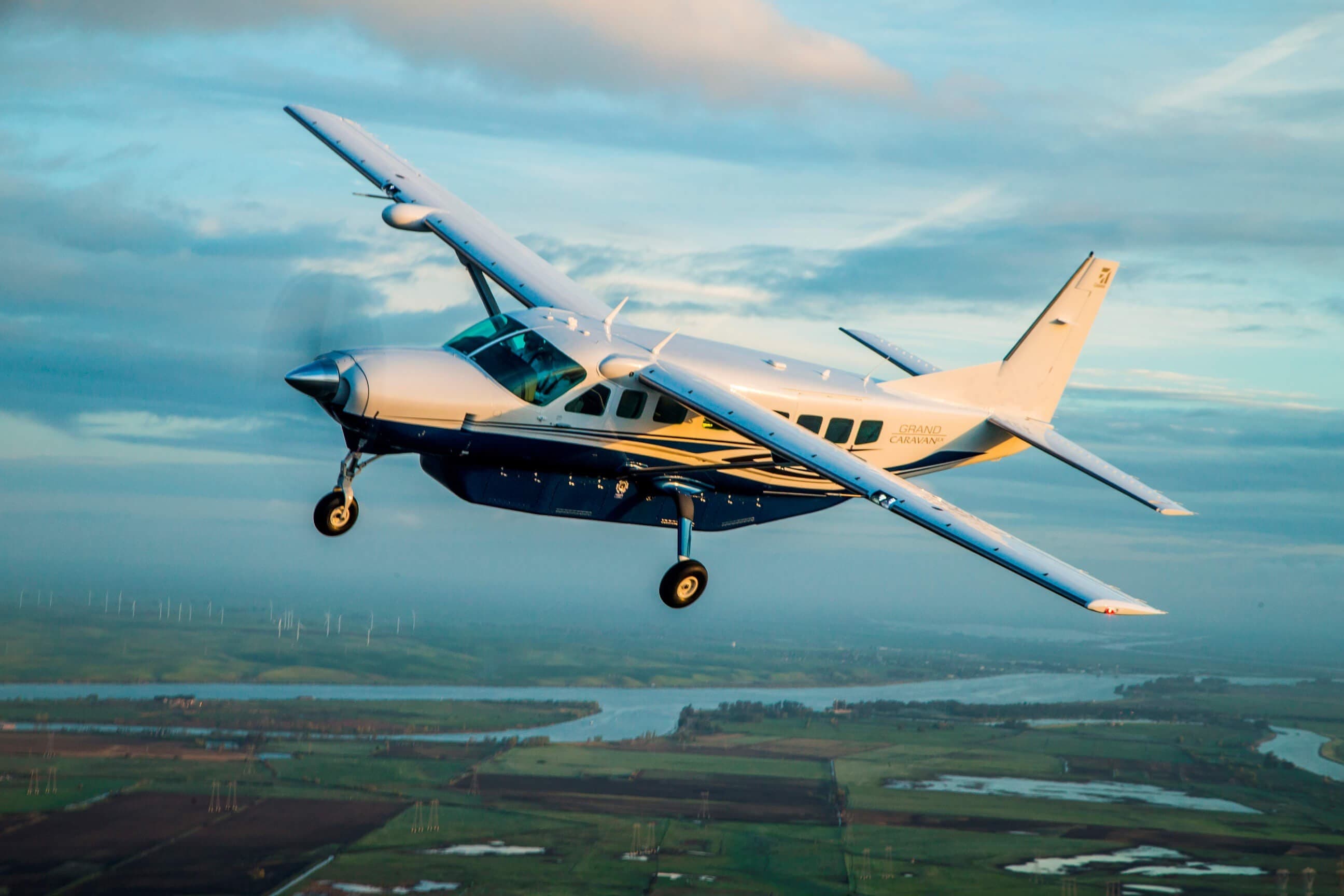
Cessna Grand Caravan
12 pax · 871 nm
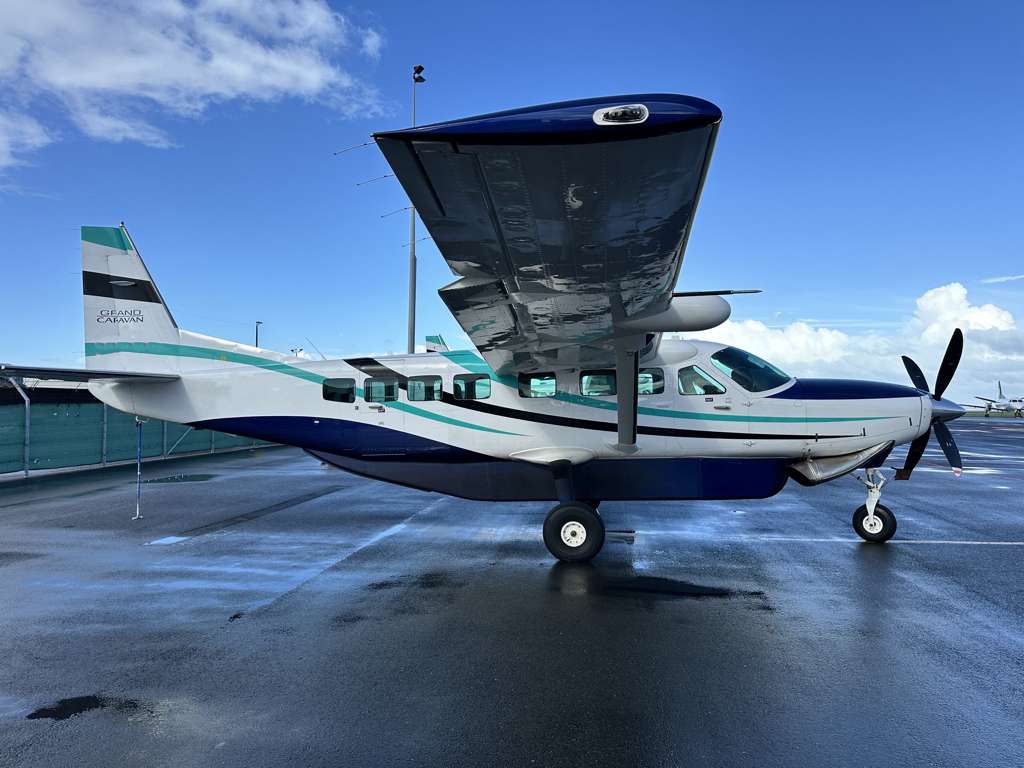
Cessna Grand Caravan EX
9 pax · 964 nm
Model-matched 3D tour
King Air C90
8 pax · 1,260 nm
Aircraft-family 3D reference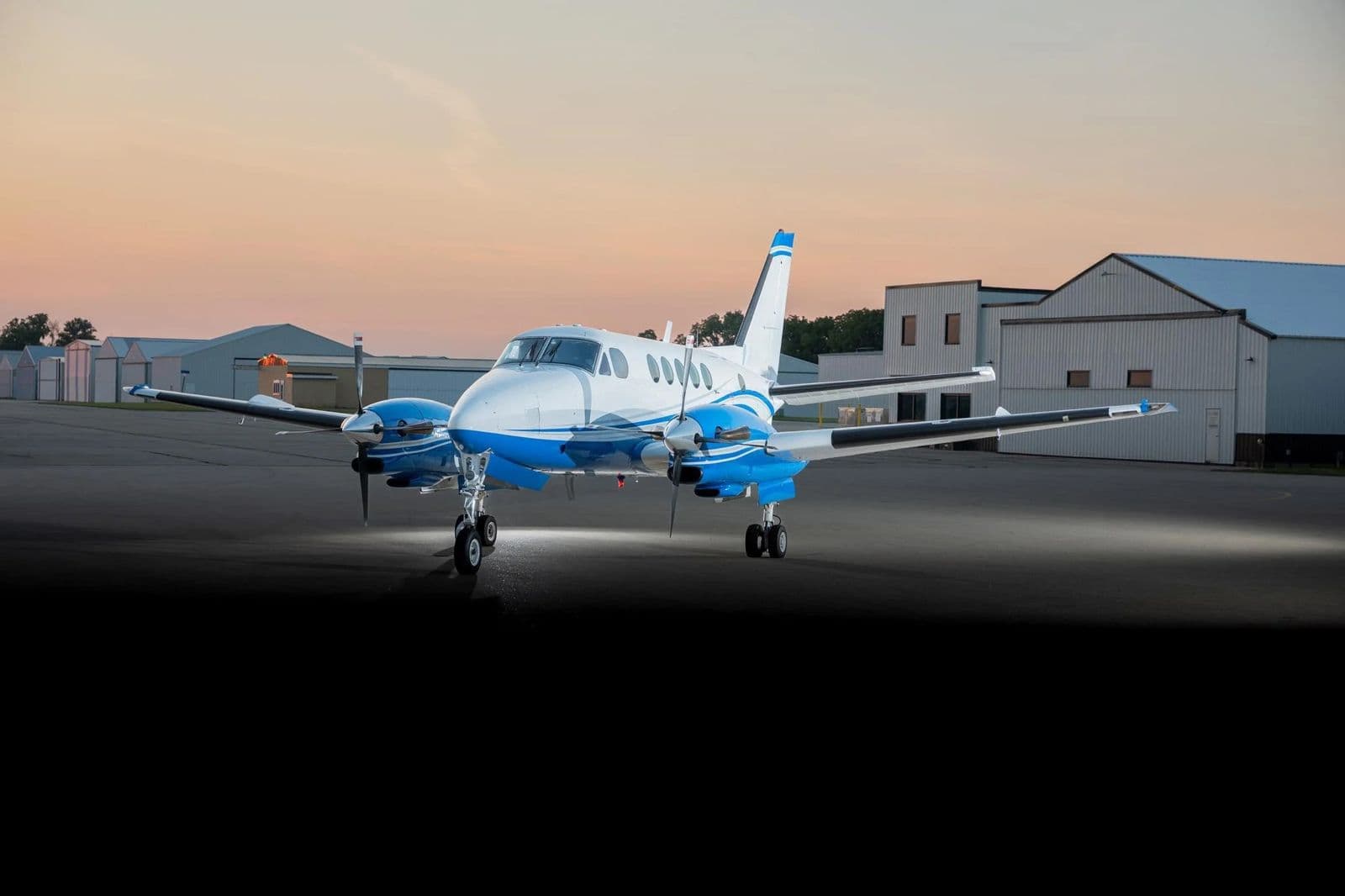
King Air 100
7 pax · 1,080 nm
Continue King Air 350 charter planning
Compare airport choices, route estimates and cabin categories, then request aircraft and direct-carrier options for your itinerary.
Turboprop Charter
Return to the published Turboprop model directory and compare adjacent aircraft.
Continue planningPrivate Jet Charter Pricing Guide
Review quote methodology; Turboprop pricing remains available only in a written proposal.
Continue planningAirport Planning Guide
Research airport and runway context before a direct carrier evaluates the actual trip.
Continue planningPrivate Aircraft Charter Safety
Review charter arranger, direct-carrier, operational-control and operator-vetting roles.
Continue planning