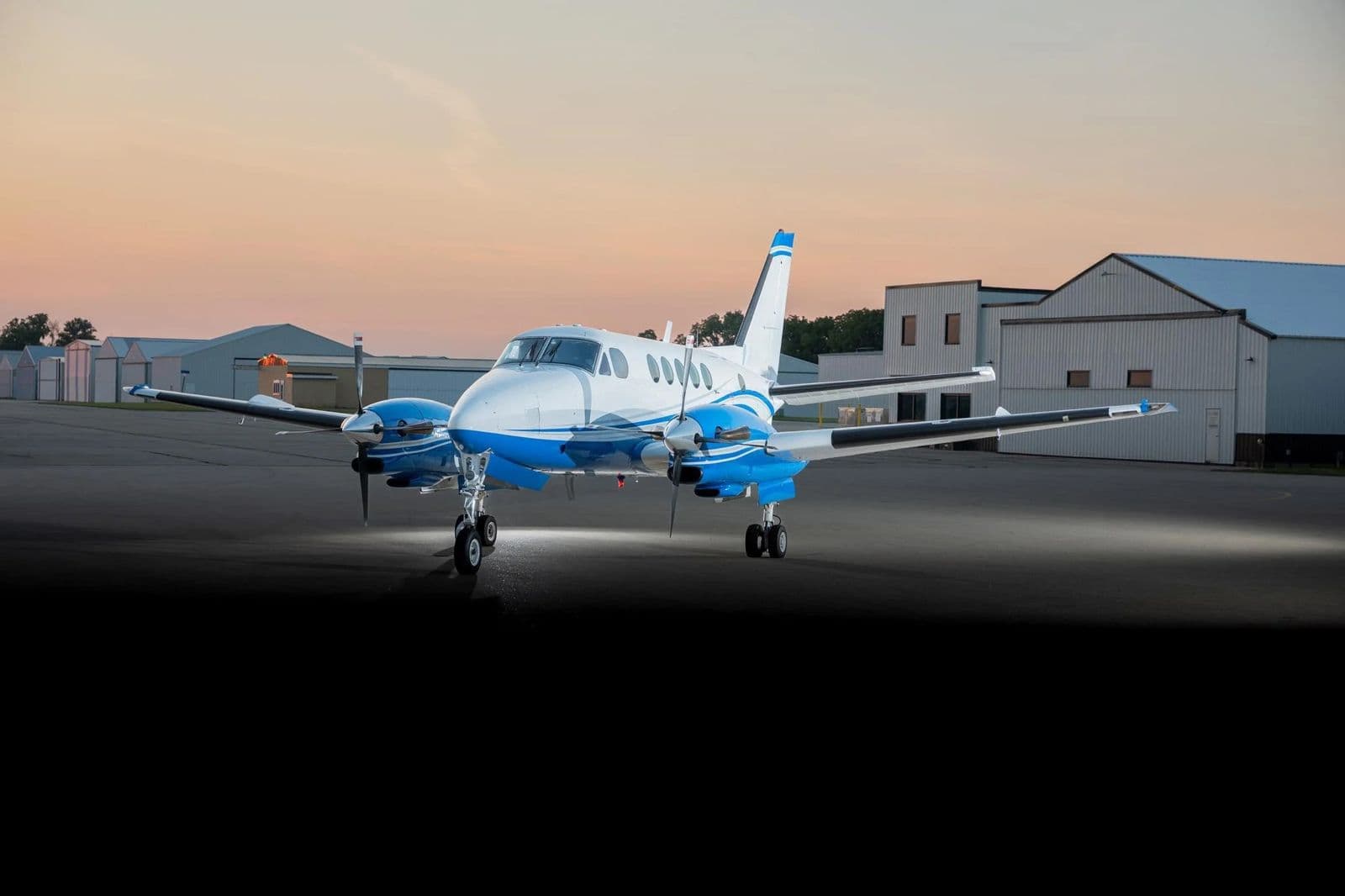
King Air 100 Turboprop Charter Guide
King Air 100 at a glance
Request a quote-only King Air 100 charter and review its stretched cabin, baggage, PT6-versus-TPE331 variants, KTAS cruise and regional fit.
Jet Partners arranges on-demand charter as a charter services arranger. The selected direct air carrier confirms the aircraft and retains operational control.
King Air 100 gallery
King Air 100 facts
Published model references; the proposed aircraft and trip determine final suitability.
- Range
- Approximately 1,080–1,325 nm by 100-series variant
- Historical variant-level planning references with different payload and reserve assumptions; operator data controls.
- Passengers / seating
- Typically 6–7 passengers; up to 8 in approved higher-density arrangements
- Cruise speed
- Approximately 284–305 mph (247–265 knots) by variant
- Cabin dimensions
- Cabin lengthApproximately 16 ft 8 inCabin widthApproximately 4 ft 6 inCabin heightApproximately 4 ft 9 in
- Luggage / baggage
- Approximately 30–63.5 cu ft by 100/A100/B100 layout and compartment basis
King Air 100 charter specifications and market context
- Aircraft class
- Turboprop
- Manufacturer
- Beech Aircraft Corporation
- Category hourly planning range
- Request pricing
- Years manufactured
- 1969–1983 across King Air 100, A100 and B100 production
The Beechcraft King Air 100 is a legacy twin-engine pressurized turboprop with the longer cabin that helped bridge the short-fuselage King Air 90 and later Model 200. It can remain useful for regional charter when the proposed aircraft has current maintenance, capable avionics and a well-kept interior.
However, the original 100, A100 and Garrett-powered B100 have different engines and performance and must be identified precisely.
Why the King Air 100 remains a charter consideration
Beech introduced the Model 100 in 1969 by stretching the King Air cabin and combining established family systems with greater passenger and payload utility. The A100 refined the Pratt & Whitney-powered design. The B100 used Garrett, now Honeywell, TPE331 engines.
Production ended in 1983 as the T-tail Model 200 family became the principal larger King Air development, leaving today's 100-series fleet highly dependent on individual upgrades and operating history.
Variant note. The Pratt & Whitney-powered Model 100/A100 and Honeywell TPE331-powered B100 are materially different. Performance, procedures and support assumptions cannot be transferred between them.
Overview and production sources
Turboprop pricing is itinerary-specific and is provided only in a written proposal. No generic Turboprop hourly range is published; the written proposal supplies the trip-specific price and terms. Only a current written proposal confirms the aircraft, direct carrier, inclusions, conditional charges and total trip price.
Inside the King Air 100
A King Air 100 charter layout commonly carries six or seven passengers and may accommodate eight in a denser approved arrangement, using club seats, folding tables, a forward refreshment cabinet and an aft lavatory or belted toilet position. The approximately 303-cubic-foot square-oval passenger cabin is about 16 feet 8 inches long, 4 feet 6 inches wide and 4 feet 9 inches high.
Baggage references vary from roughly 30 cubic feet on conservative legacy layouts to about 63.5 cubic feet in a B100 rear compartment. Window light and the cabin's length support conversation or work. Power, connectivity, cooling, cabinetry, seat ergonomics and any nose or locker modification are tail-specific.
- Seat configuration
- Typically 6–7 passengers; up to 8 in approved higher-density arrangements
- Cabin volume
- Approximately 303 cu ft
- Cabin dimensions
- Approximately 16 ft 8 in long × Approximately 4 ft 6 in wide × Approximately 4 ft 9 in high
- Baggage capacity
- Approximately 30–63.5 cu ft by 100/A100/B100 layout and compartment basis
Legacy references do not use one common baggage basis; internal lockers, closets and any modified nose or wing stowage require tail-specific confirmation.
King Air 100 range, cruise speed and flight deck
Historical King Air 100-family references span approximately 1,080 to 1,325 nautical miles and about 247 to 265 KTAS, with meaningful differences among 100, A100 and B100 loading and reserve assumptions. The 100 and A100 use Pratt & Whitney Canada PT6A-series engines, commonly PT6A-28. The B100 uses Honeywell TPE331-6 engines.
The low wing, conventional tail, retractable landing gear and reversible propellers predate the Model 200's T-tail, and flight decks range from original electromechanical systems to certified modern retrofits.
- Range reference
- Approximately 1,080–1,325 nm by 100-series variant
- Historical variant-level planning references with different payload and reserve assumptions; operator data controls.
- Cruise speed reference
- Approximately 247–265 KTAS by variant
- Historical 100/A100/B100 cruise references; not guaranteed block speed.
- Engines and efficiency context
- Two Pratt & Whitney Canada PT6A-series turboprops on the 100/A100 or two Honeywell TPE331-6 turboprops on the B100
- Fuel use depends on the installed engines, thrust, altitude, payload and cruise settings. An engine model alone does not predict trip fuel use.
- Avionics
- The reviewed 1976 B100 tail combines Sperry SPZ-200A flight controls with Garmin G600 and GNS 430 retrofits; original and upgraded installations vary materially by aircraft
- Aerodynamic design
- Low-mounted wing, conventional tail, retractable tricycle landing gear and reversible propellers; not the later Model 200 T-tail
Performance, engine and avionics sources
Is the King Air 100 right for your charter?
A King Air 100 may suit short business sectors, regional family travel and baggage-conscious trips where a long cabin is useful and the operator can support a legacy airframe confidently.
Jet Partners keeps every King Air 100 request quote-only and will require the direct carrier to confirm whether the aircraft is a 100, A100 or B100, along with engines, crew, maintenance, seating, baggage, avionics, runway feasibility and written terms.
Jet Partners compares trip-specific proposals as a charter services arranger.
Confirm these details in writing
- Aircraft, cabin layout, passenger count and baggage fit.
- Named direct air carrier and available trip-specific safety information.
- Runway, payload, weather, routing and possible technical-stop limits.
- Total price, inclusions, conditional charges and cancellation terms.
The properly licensed direct air carrier identified in the proposal retains operational control and makes the final flight-operational decisions.
Questions about chartering the King Air 100
How many passengers can the King Air 100 carry?
What is the charter range of the King Air 100?
What should I verify when comparing King Air 100 variants?
How much does it cost to charter the King Air 100?
What cabin amenities are available on the King Air 100?
Who operates a flight on the King Air 100 arranged through Jet Partners?
King Air 100 technical sources
This profile was reviewed August 28, 2026 using the sources below. They include manufacturer, regulator, operator-provided and other technical references. Performance and cabin figures are planning references. The proposed aircraft records and direct carrier control the accepted trip.
Some external technical or market references contain aircraft purchase values or operating-cost estimates. Those third-party figures are not Jet Partners charter quotes and are not reproduced on this page.
View reviewed references
Textron Aviation
Beechcraft celebrates 50th anniversary of King Air's first flight
Reviewed August 28, 2026 for history, production.
European Union Aviation Safety Agency
Easy Access Rules for Continuing Airworthiness — aircraft and engine type-rating list
Reviewed August 28, 2026 for production, engines.
Business & Commercial Aviation
Comparison Profile — Beech King Air B100
Reviewed August 28, 2026 for history, production, cabin, performance, engines.
American Aircraft Sales
1976 King Air B100 BE-11 tail-specific avionics specification
Reviewed August 28, 2026 for avionics.
Compare more turboprops
Compare model-level cabin and performance references, then request the actual aircraft, direct carrier and written trip terms that fit the itinerary.
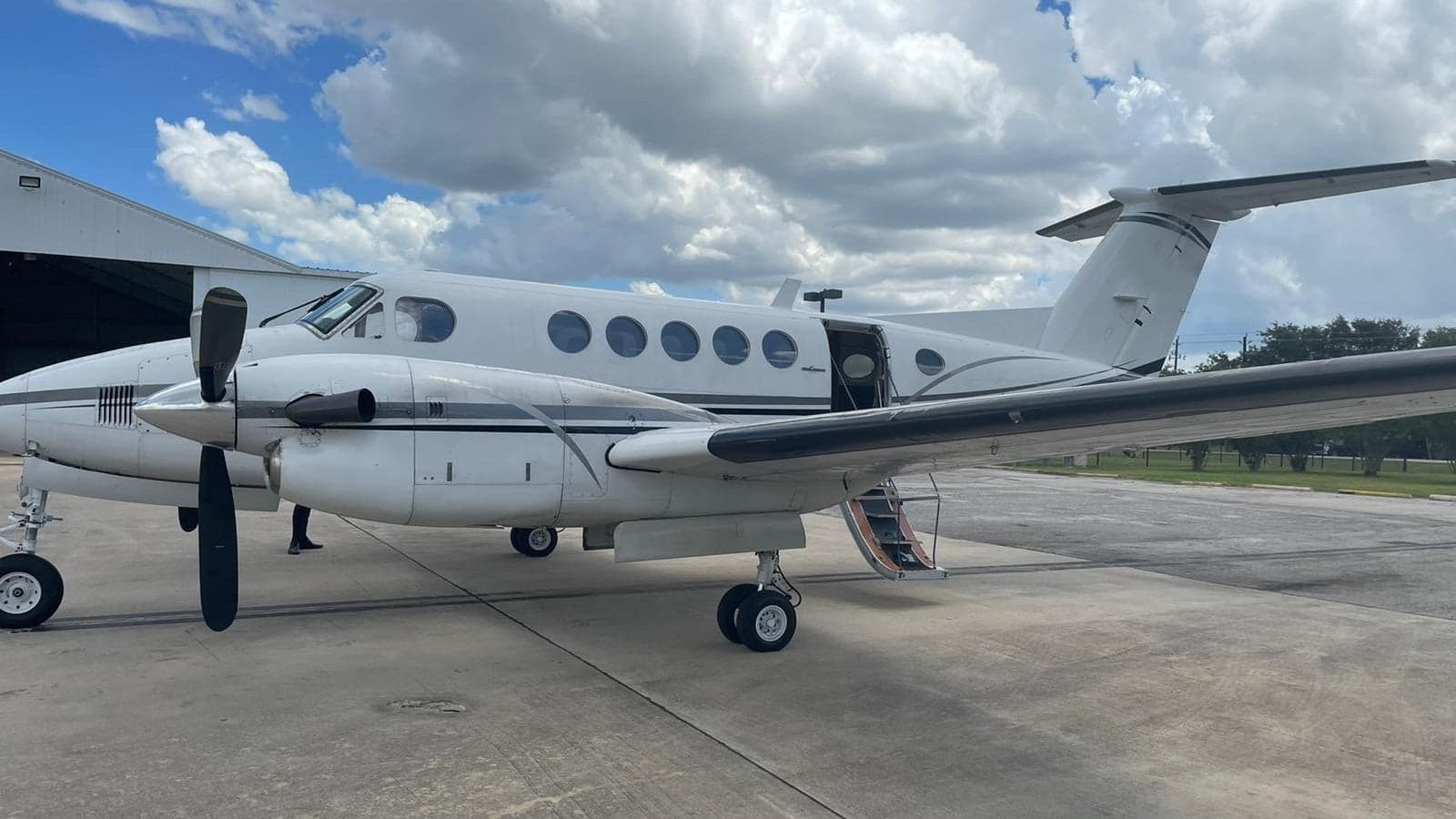
King Air 200
9 pax · 1,806 nm
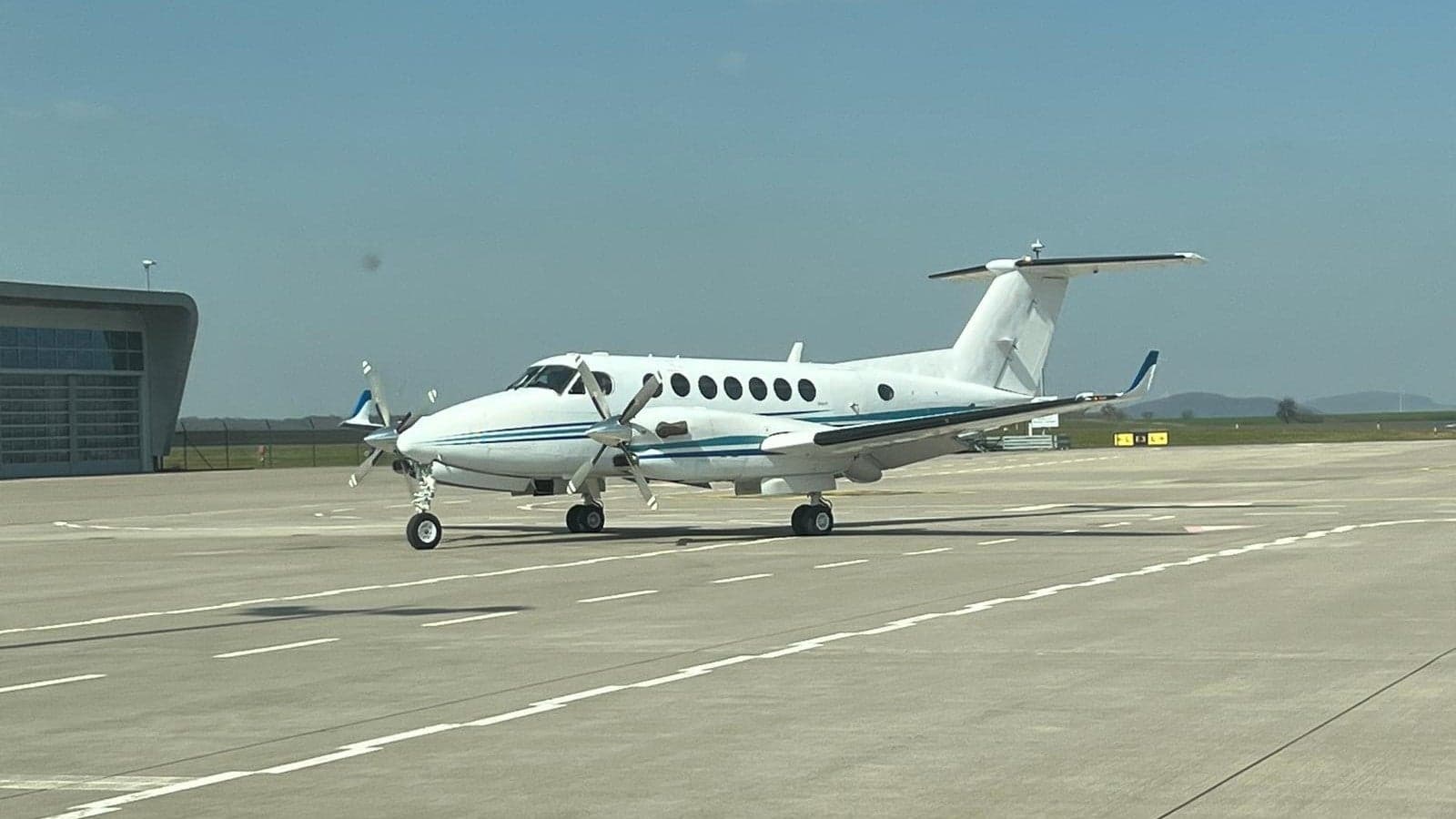
King Air 350
11 pax · 1,806 nm
Model-matched 3D tour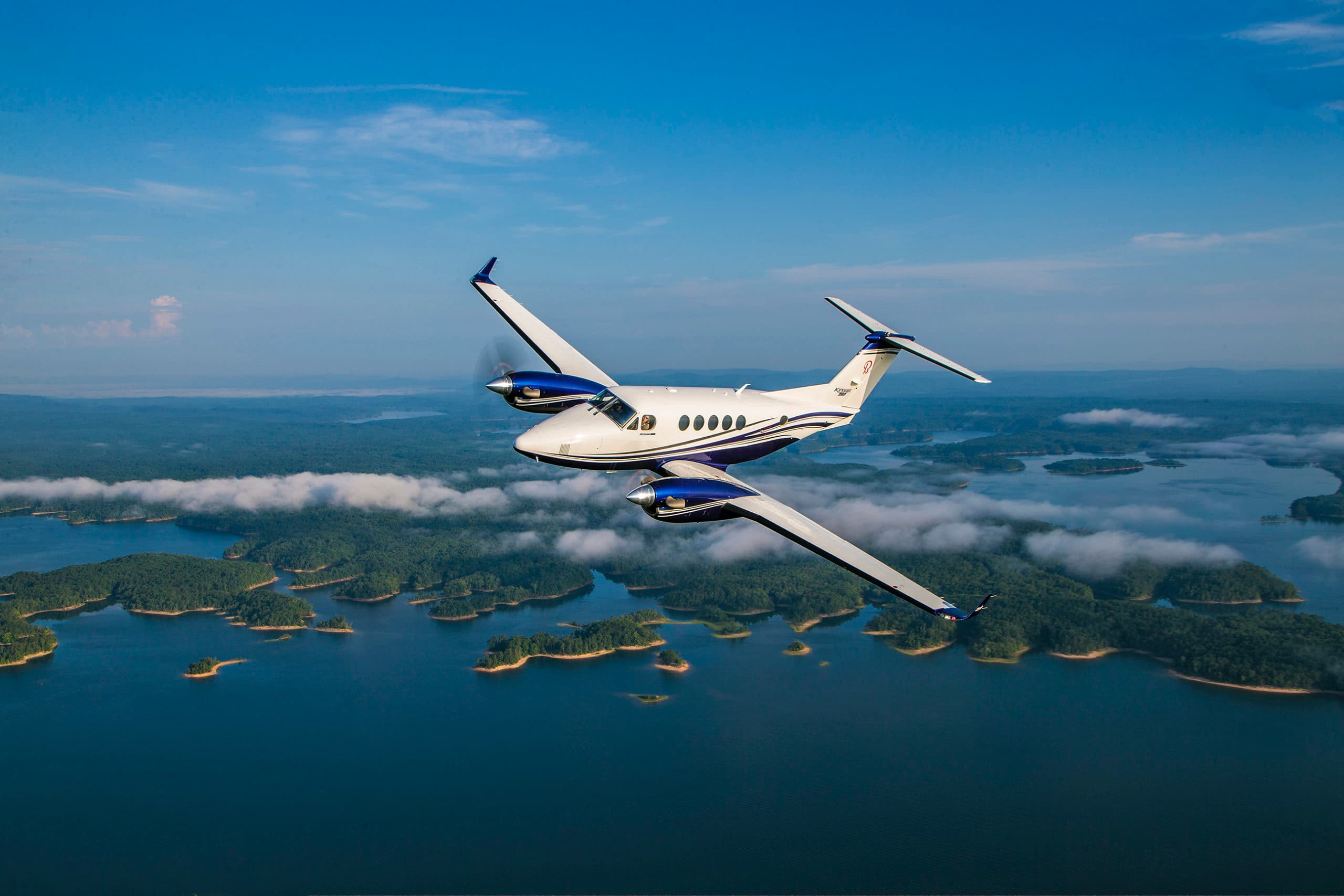
King Air 260
9 pax · 1,720 nm
Model-matched 3D tour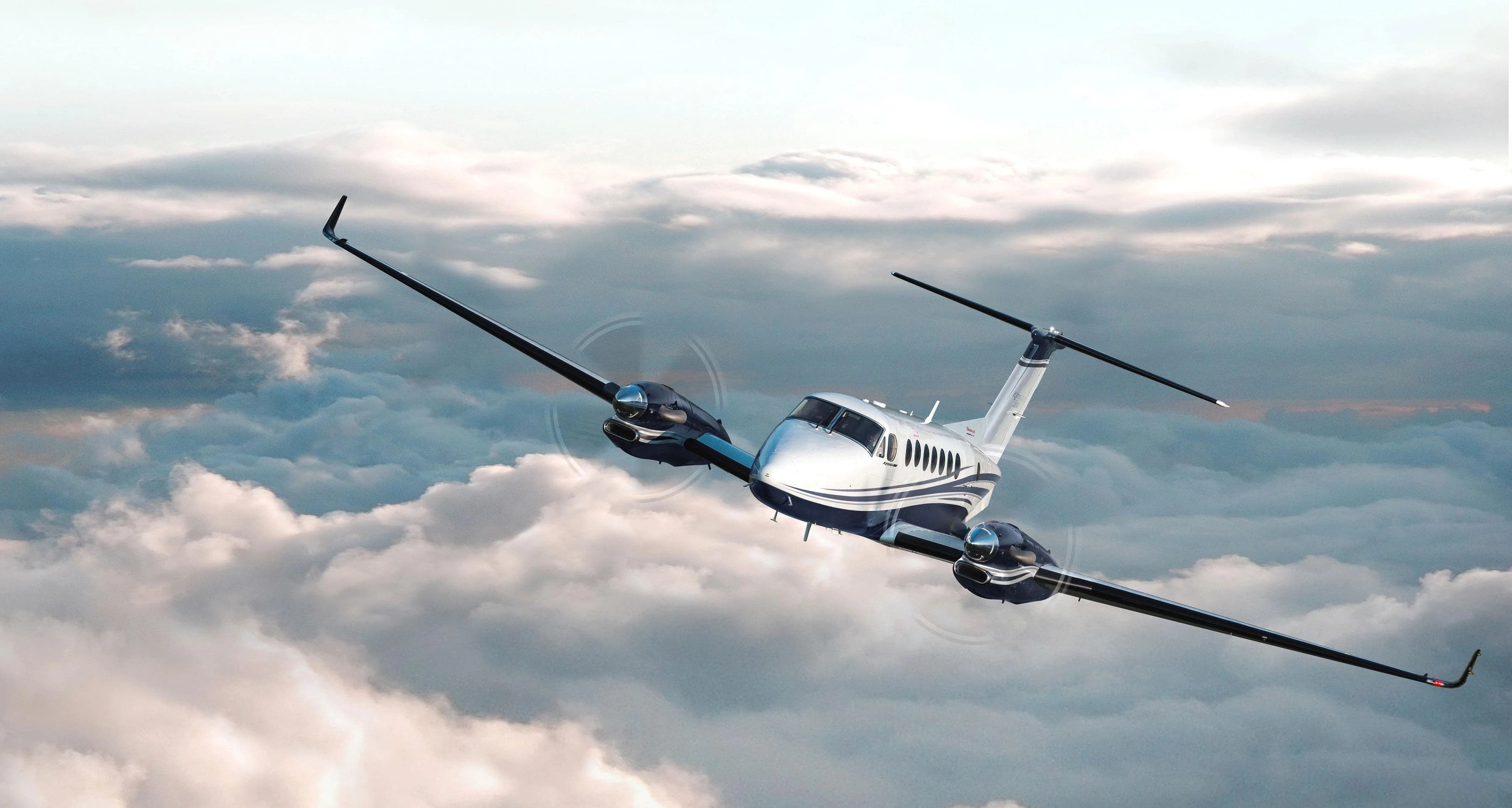
King Air 360
9 pax · 1,806 nm
Model-matched 3D tour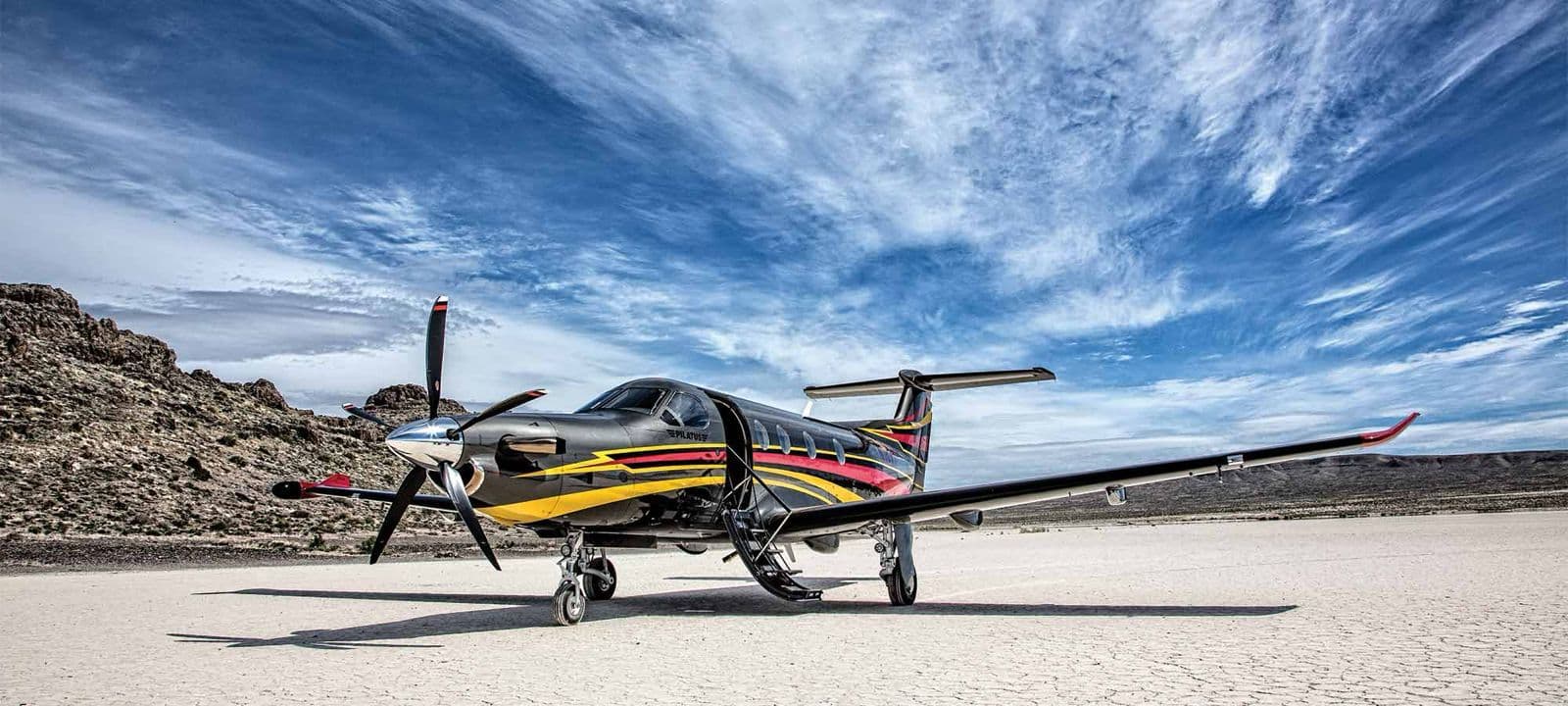
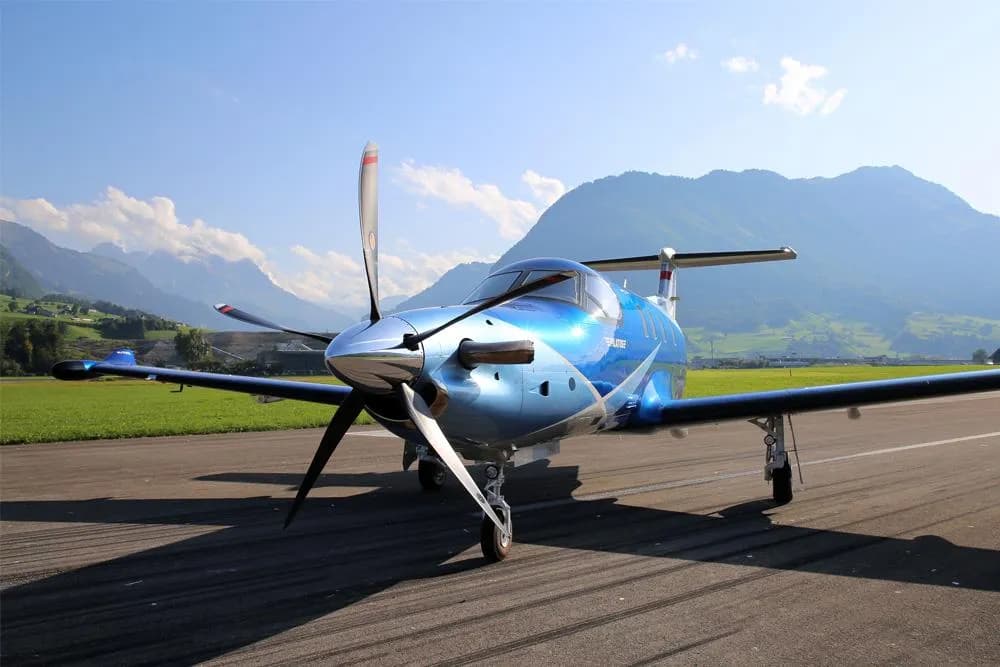
Pilatus PC-12
8 pax · 1,845 nm
Pilatus PC-12 NGX
8 pax · 1,803 nm
Model-matched 3D tour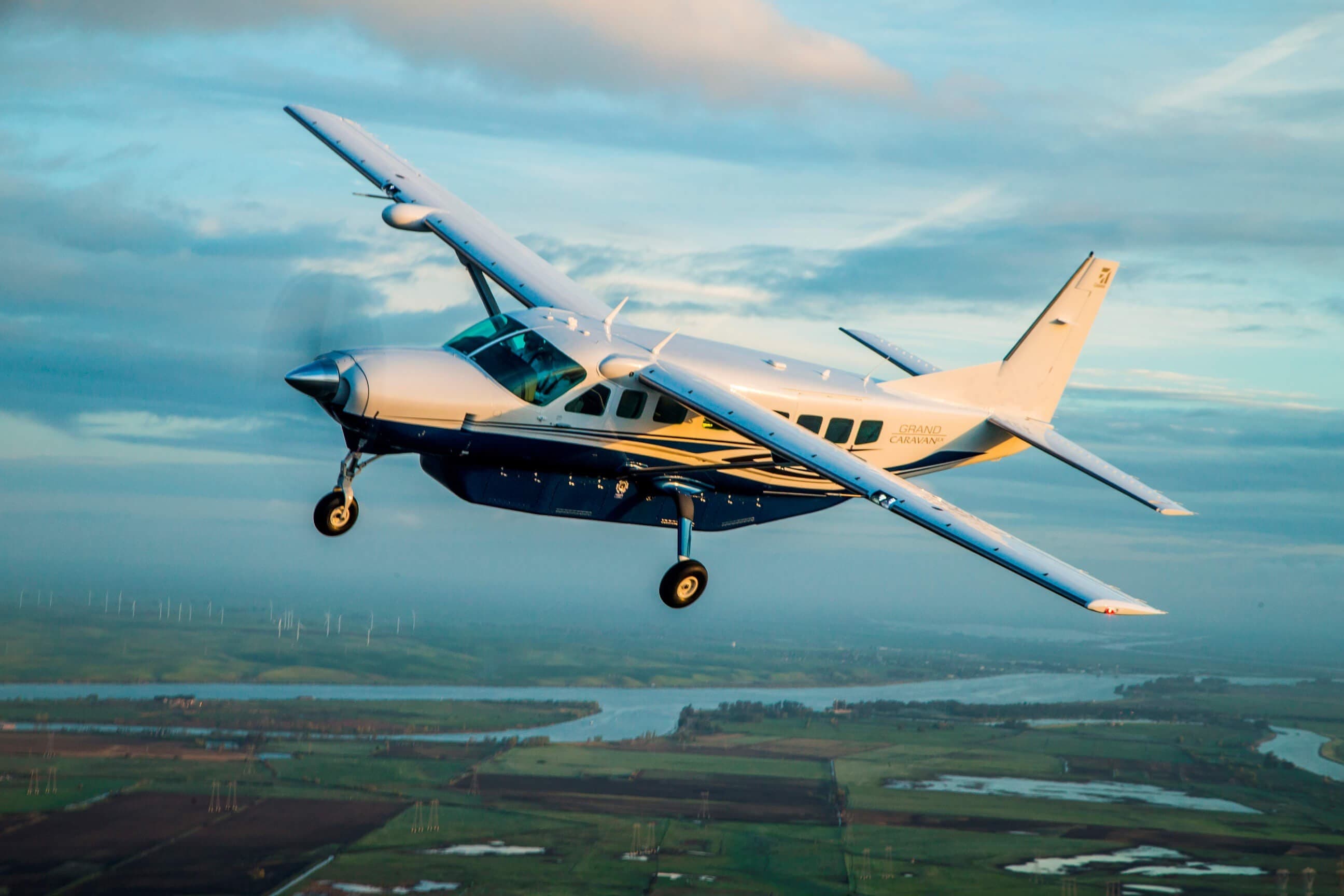
Cessna Grand Caravan
12 pax · 871 nm
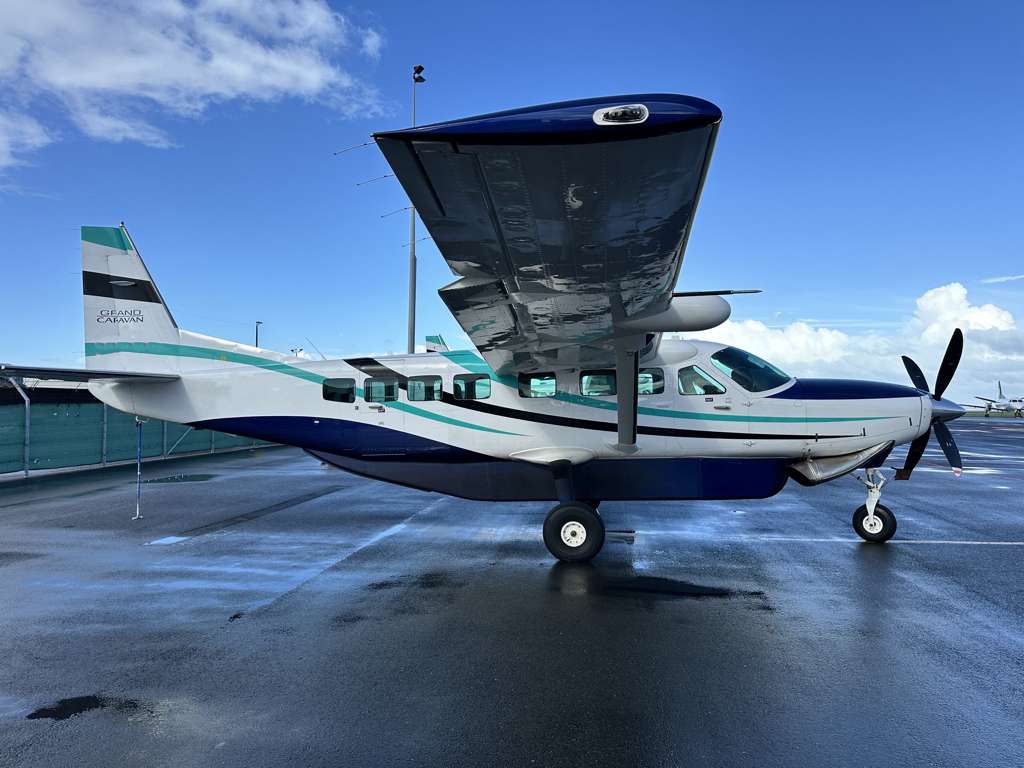
Cessna Grand Caravan EX
9 pax · 964 nm
Model-matched 3D tourContinue King Air 100 charter planning
Compare airport choices, route estimates and cabin categories, then request aircraft and direct-carrier options for your itinerary.
Turboprop Charter
Return to the published Turboprop model directory and compare adjacent aircraft.
Continue planningPrivate Jet Charter Pricing Guide
Review quote methodology; Turboprop pricing remains available only in a written proposal.
Continue planningAirport Planning Guide
Research airport and runway context before a direct carrier evaluates the actual trip.
Continue planningPrivate Aircraft Charter Safety
Review charter arranger, direct-carrier, operational-control and operator-vetting roles.
Continue planning