
King Air 260 Turboprop Charter Guide
King Air 260 at a glance
Request a quote-only King Air 260 charter and compare its redesigned cabin, 55.3-cu-ft baggage, 1,720-nm ferry range and 310-KTAS cruise.
Jet Partners arranges on-demand charter as a charter services arranger. The selected direct air carrier confirms the aircraft and retains operational control.
King Air 260 gallery
King Air 260 facts
Published model references; the proposed aircraft and trip determine final suitability.
- Range
- Up to 1,720 nm
- Textron ferry mission at long-range cruise with NBAA IFR reserves and a 100-nm alternate; passenger charter range will differ.
- Passengers / seating
- Typically 6 executive passengers; up to 8 passenger positions may be possible within the 9-occupant limit depending on crew and approval
- Cruise speed
- Up to 357 mph (310 knots)
- Cabin dimensions
- Cabin length16 ft 8 inCabin width4 ft 6 inCabin height4 ft 9 in
- Luggage / baggage
- 55.3 cu ft
King Air 260 charter specifications and market context
- Aircraft class
- Turboprop
- Manufacturer
- Textron Aviation
- Category hourly planning range
- Request pricing
- Years manufactured
- 2021–present; FAA certified March 2021
The Beechcraft King Air 260 is the current-production development of the King Air 200 series, pairing the familiar pressurized cabin and regional-airport utility with Pro Line Fusion, autothrottle and digital pressurization.
It is well suited to short and medium regional charter when travelers value club seating, baggage access and runway flexibility, subject to the licensed direct carrier's passenger, payload, weather and airport analysis.
Why the King Air 260 remains a charter consideration
Textron Aviation introduced the King Air 260 in December 2020, achieved FAA type certification in March 2021 and began the current chapter of the 200-series production line with upgraded cockpit and cabin systems.
The aircraft succeeds the B200GT and King Air 250 rather than merely renaming a baseline B200, with standard ThrustSense autothrottle, MultiScan weather radar, digital pressurization and a redesigned interior establishing its generation boundary.
Variant note. The King Air 260 is a current 200-series generation with PT6A-52 power, Pro Line Fusion, digital pressurization and autothrottle. Those standards should not be assigned to an earlier 200, B200 or B200GT unless installed and documented.
3D tour hosted on Matterport.
Overview and production sources
Turboprop pricing is itinerary-specific and is provided only in a written proposal. No generic Turboprop hourly range is published; the written proposal supplies the trip-specific price and terms. Only a current written proposal confirms the aircraft, direct carrier, inclusions, conditional charges and total trip price.
Inside the King Air 260
A typical King Air 260 executive cabin uses six passenger seats around a club arrangement. The manufacturer lists nine maximum occupants and other approved layouts may carry more passengers depending on crew and rules.
The approximately 303-cubic-foot square-oval cabin is 16 feet 8 inches long, 4 feet 6 inches wide and 4 feet 9 inches high, with 55.3 cubic feet of baggage capacity. Laterally tracking, swiveling and reclining seats, CoolView windows, worktables, USB charging, power outlets, a refreshment center and an aft lavatory support productivity and comfort, although connectivity and exact equipment remain aircraft-specific.
- Seat configuration
- Typically 6 executive passengers; up to 8 passenger positions may be possible within the 9-occupant limit depending on crew and approval
- Cabin volume
- Approximately 303 cu ft
- Cabin dimensions
- 16 ft 8 in long × 4 ft 6 in wide × 4 ft 9 in high
- Baggage capacity
- 55.3 cu ft
Published baggage volume; wardrobe layout, crew equipment, item dimensions, in-flight access and weight limits require tail-specific confirmation.
King Air 260 range, cruise speed and flight deck
Textron publishes 310 KTAS maximum cruise and 1,720 nautical miles maximum range, with the range explicitly based on a long-range-cruise ferry trip using NBAA IFR reserves and a 100-nautical-mile alternate rather than a full passenger load. Two Pratt & Whitney Canada PT6A-52 engines drive four-blade composite Hartzell propellers. Winglets, T-tail geometry, Pro Line Fusion and ThrustSense autothrottle support the current platform.
The carrier's approved planning governs the requested trip.
- Range reference
- Up to 1,720 nm
- Textron ferry mission at long-range cruise with NBAA IFR reserves and a 100-nm alternate; passenger charter range will differ.
- Cruise speed reference
- Up to 310 KTAS
- Textron maximum-cruise specification; not trip-average or block speed.
- Engines and efficiency context
- Two Pratt & Whitney Canada PT6A-52 turboprops rated at 850 shp each
- Fuel use depends on the installed engines, thrust, altitude, payload and cruise settings. An engine model alone does not predict trip fuel use.
- Avionics
- Collins Aerospace Pro Line Fusion with three 14-inch touchscreens, MultiScan weather radar, digital pressurization and IS&S ThrustSense autothrottle
- Aerodynamic design
- Low-mounted wing with winglets, T-tail and four-blade composite reversible propellers
Performance, engine and avionics sources
- European Union Aviation Safety Agency — EASA.IM.A.277 — Beechcraft King Air B200 and B300 series
- Civil Aviation Authority of New Zealand — Type Acceptance Report — Textron 200 and 300 King Air series
- Textron Aviation — King Air 260 specifications
- Textron Aviation — King Air 260 achieves FAA type certification
Is the King Air 260 right for your charter?
The King Air 260 can fit executive teams, family groups and secondary-airport travel that calls for contemporary avionics and cabin appointments without moving to a larger aircraft. Jet Partners treats the 260 as quote-only and will have the direct carrier confirm the actual aircraft, crew complement, legal passenger count, baggage, connectivity, runway plan, weather, route and written terms before booking.
Jet Partners compares trip-specific proposals as a charter services arranger.
Confirm these details in writing
- Aircraft, cabin layout, passenger count and baggage fit.
- Named direct air carrier and available trip-specific safety information.
- Runway, payload, weather, routing and possible technical-stop limits.
- Total price, inclusions, conditional charges and cancellation terms.
The properly licensed direct air carrier identified in the proposal retains operational control and makes the final flight-operational decisions.
Questions about chartering the King Air 260
How many passengers can the King Air 260 carry?
What is the charter range of the King Air 260?
What should I verify when comparing King Air 260 variants?
How much does it cost to charter the King Air 260?
What cabin amenities are available on the King Air 260?
Who operates a flight on the King Air 260 arranged through Jet Partners?
King Air 260 technical sources
This profile was reviewed August 28, 2026 using the sources below. They include manufacturer, regulator, operator-provided and other technical references. Performance and cabin figures are planning references. The proposed aircraft records and direct carrier control the accepted trip.
Some external technical or market references contain aircraft purchase values or operating-cost estimates. Those third-party figures are not Jet Partners charter quotes and are not reproduced on this page.
View reviewed references
European Union Aviation Safety Agency
EASA.IM.A.277 — Beechcraft King Air B200 and B300 series
Reviewed August 28, 2026 for production, engines.
Civil Aviation Authority of New Zealand
Type Acceptance Report — Textron 200 and 300 King Air series
Reviewed August 28, 2026 for history, production, performance, engines, avionics.
Textron Aviation
King Air 260 specifications
Reviewed August 28, 2026 for cabin, performance, engines, avionics.
Textron Aviation
King Air 260 achieves FAA type certification
Reviewed August 28, 2026 for history, production, cabin, performance, avionics.
Compare more turboprops
Compare model-level cabin and performance references, then request the actual aircraft, direct carrier and written trip terms that fit the itinerary.
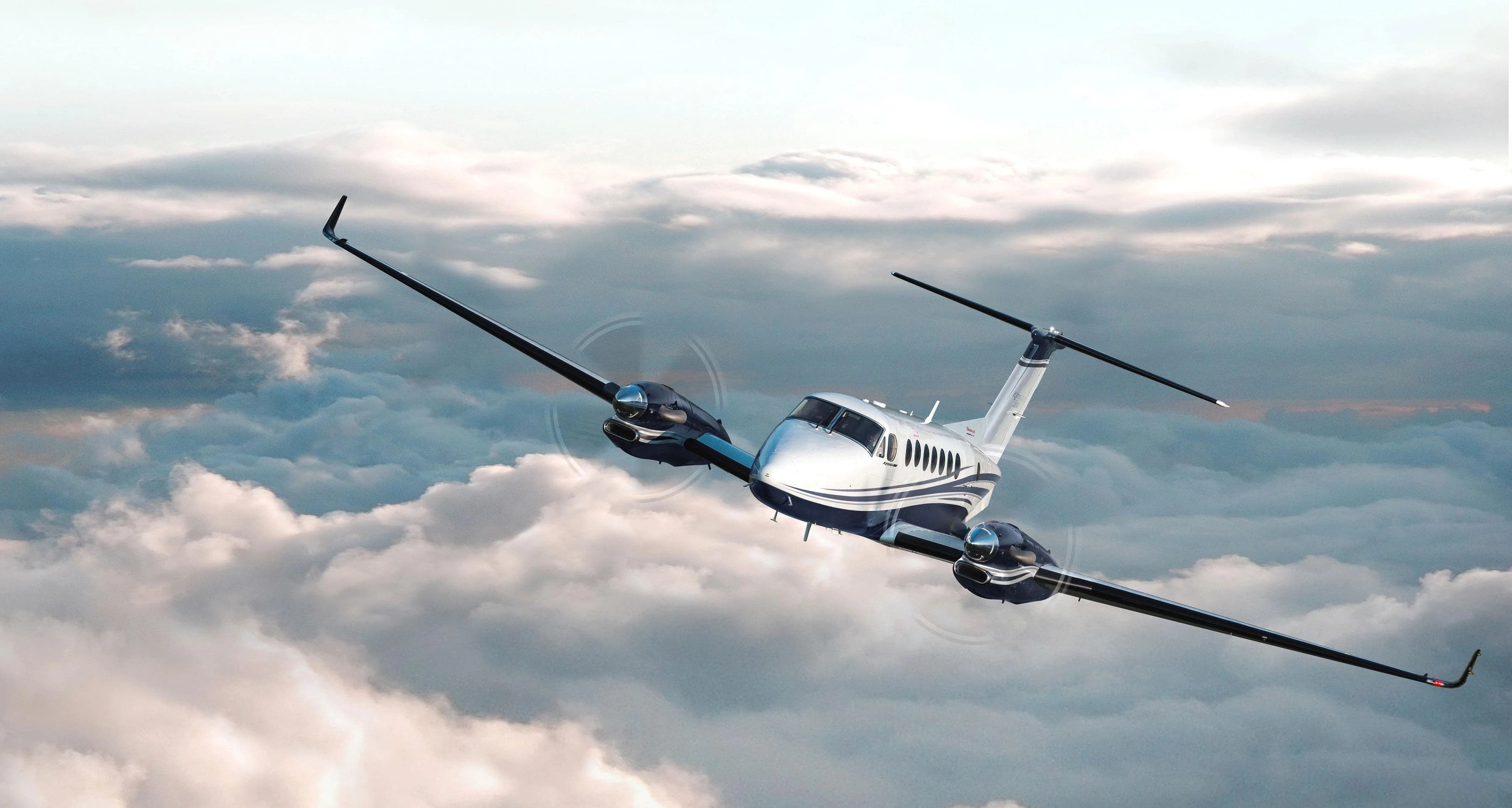
King Air 360
9 pax · 1,806 nm
Model-matched 3D tour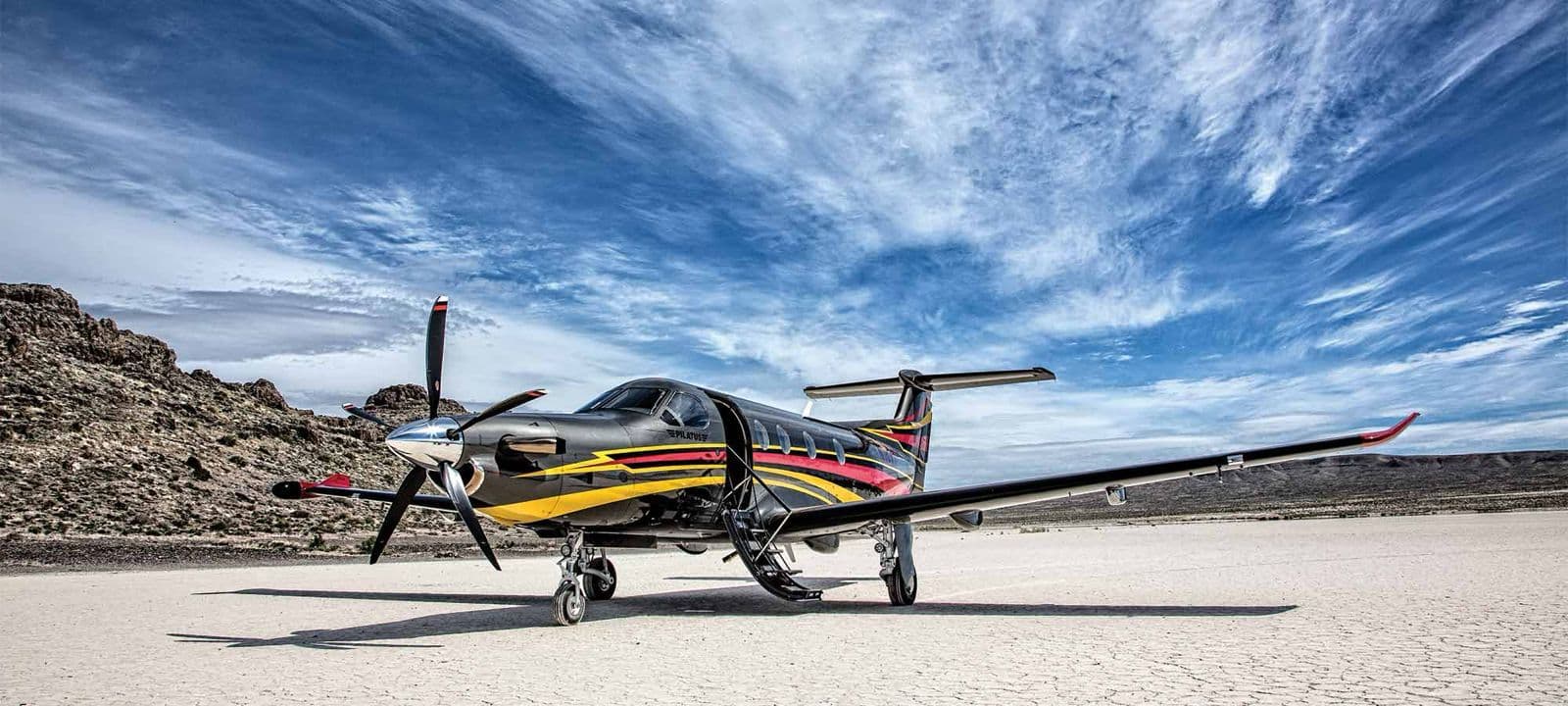
Pilatus PC-12
8 pax · 1,845 nm
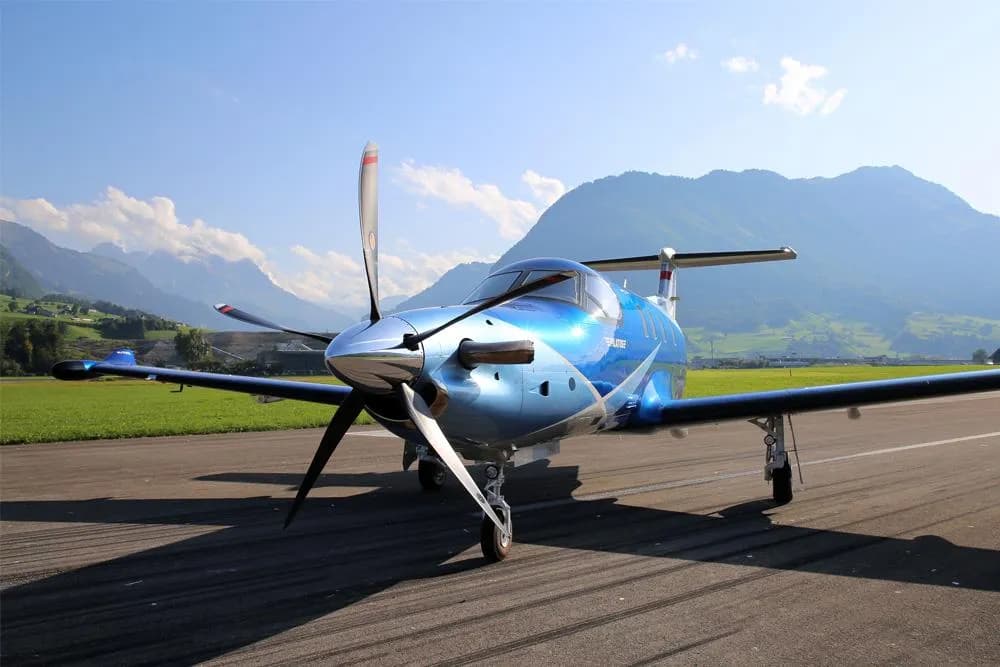
Pilatus PC-12 NGX
8 pax · 1,803 nm
Model-matched 3D tour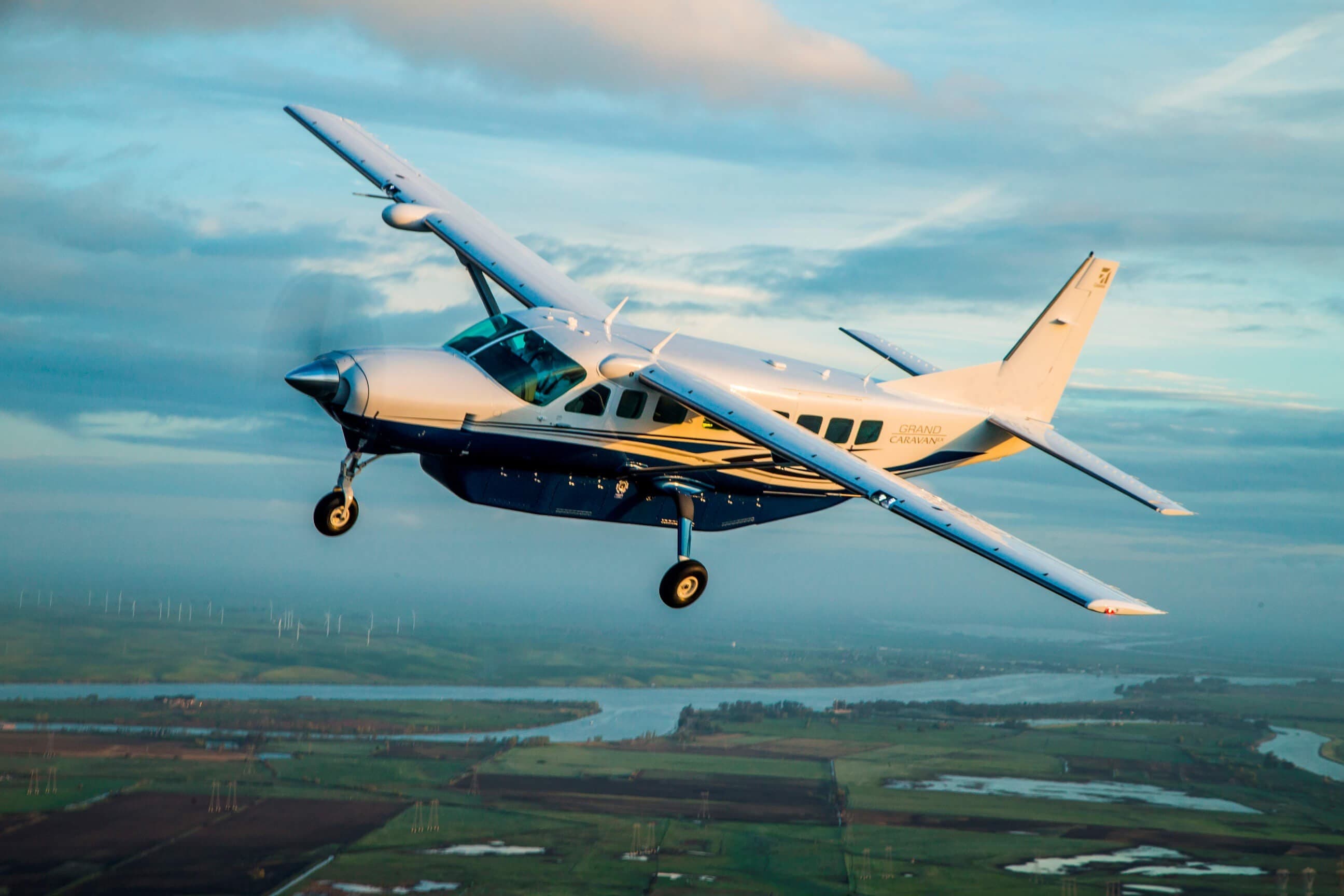
Cessna Grand Caravan
12 pax · 871 nm
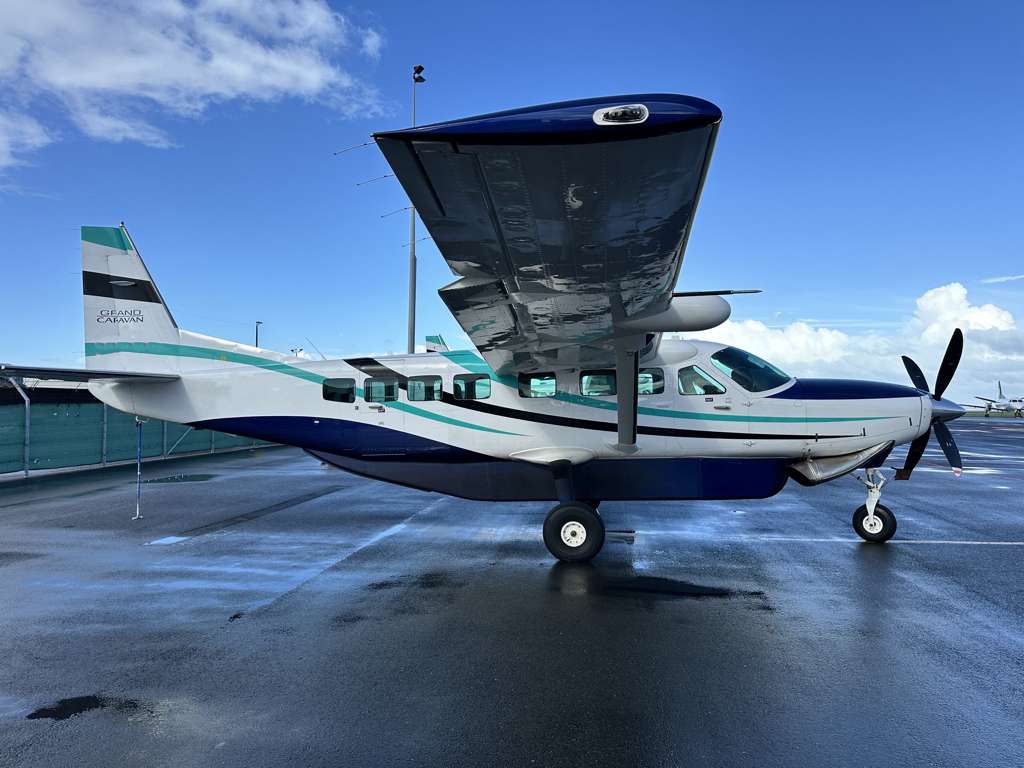
Cessna Grand Caravan EX
9 pax · 964 nm
Model-matched 3D tour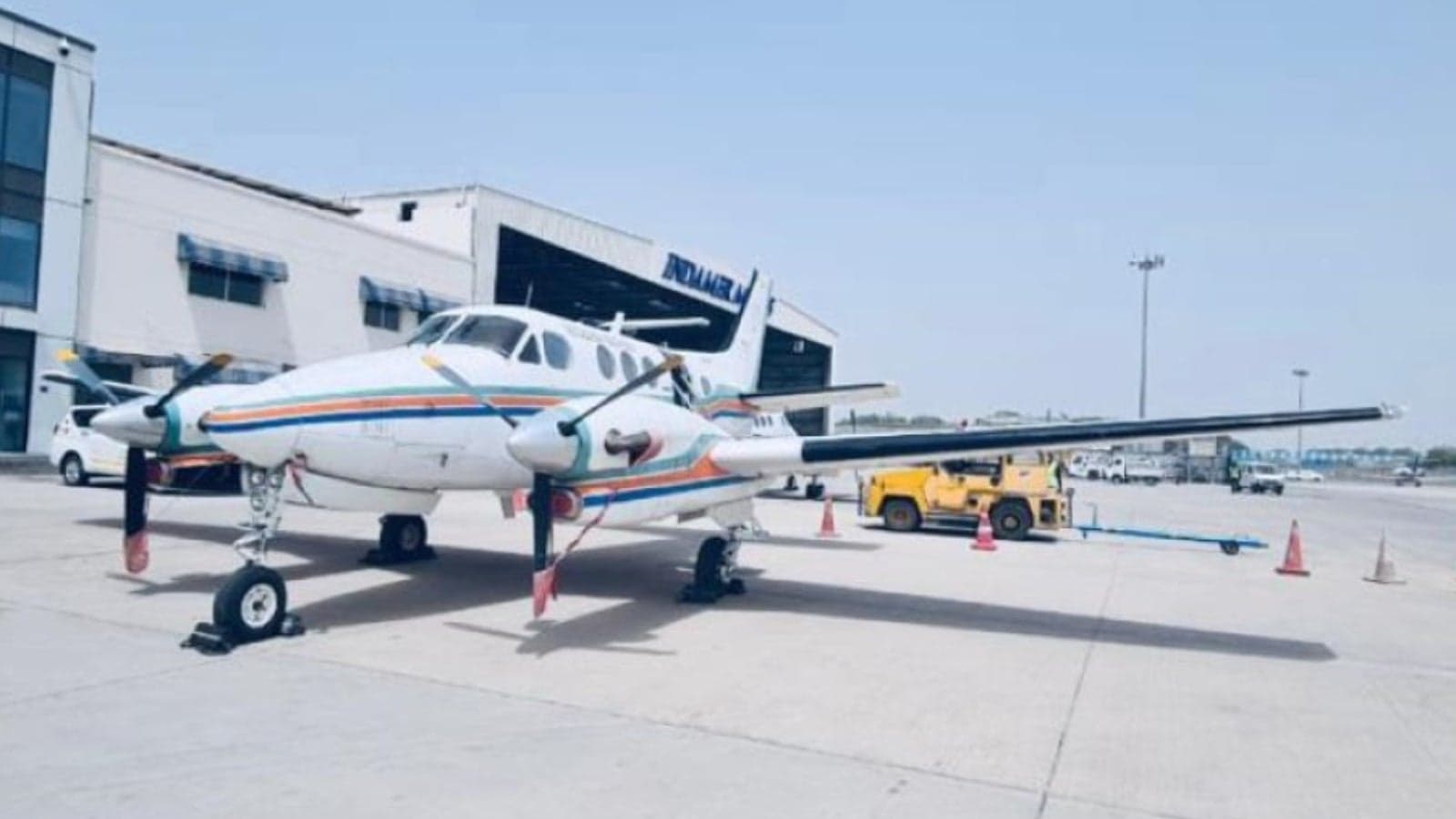
King Air C90
8 pax · 1,260 nm
Aircraft-family 3D reference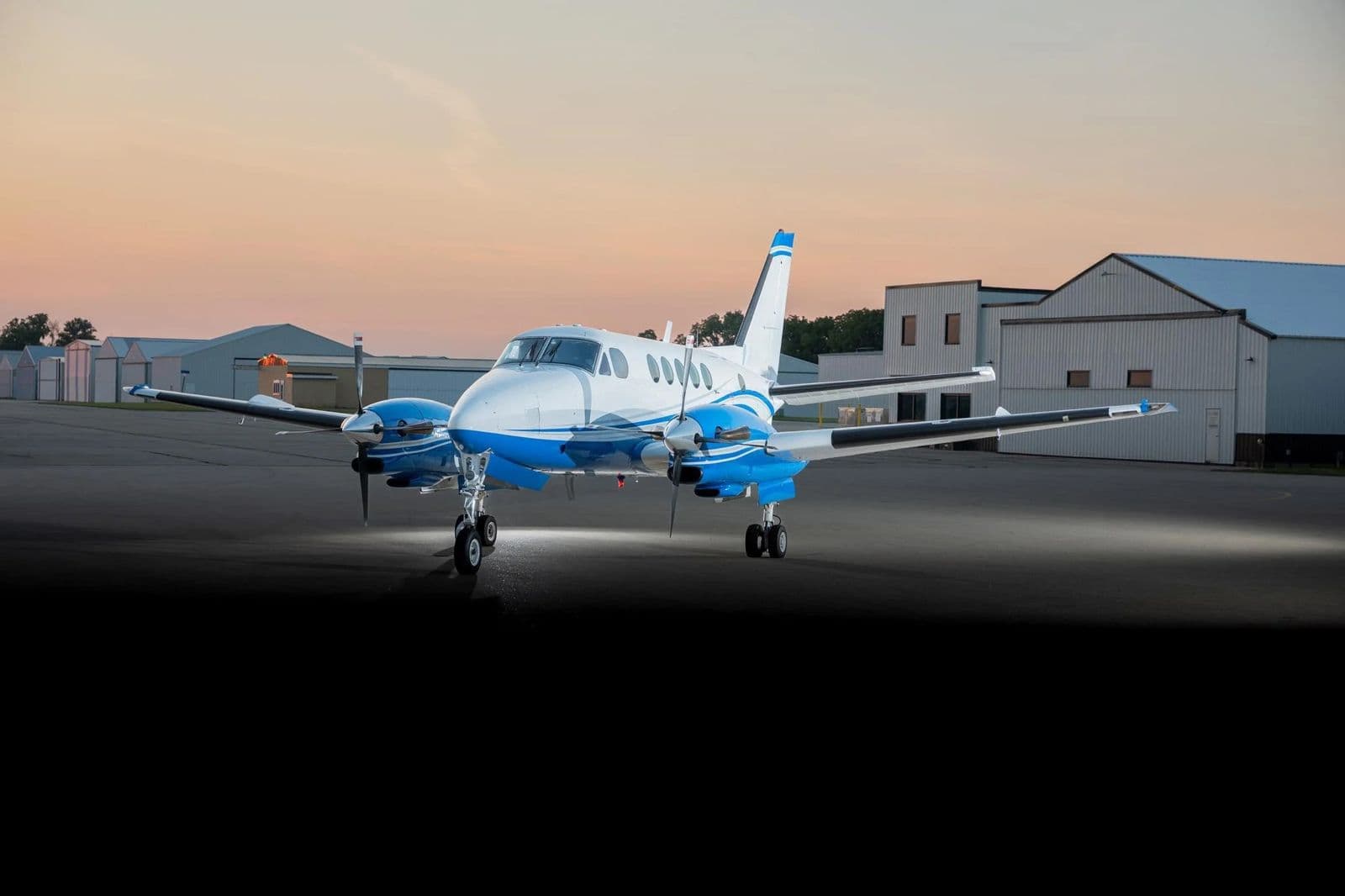
King Air 100
7 pax · 1,080 nm
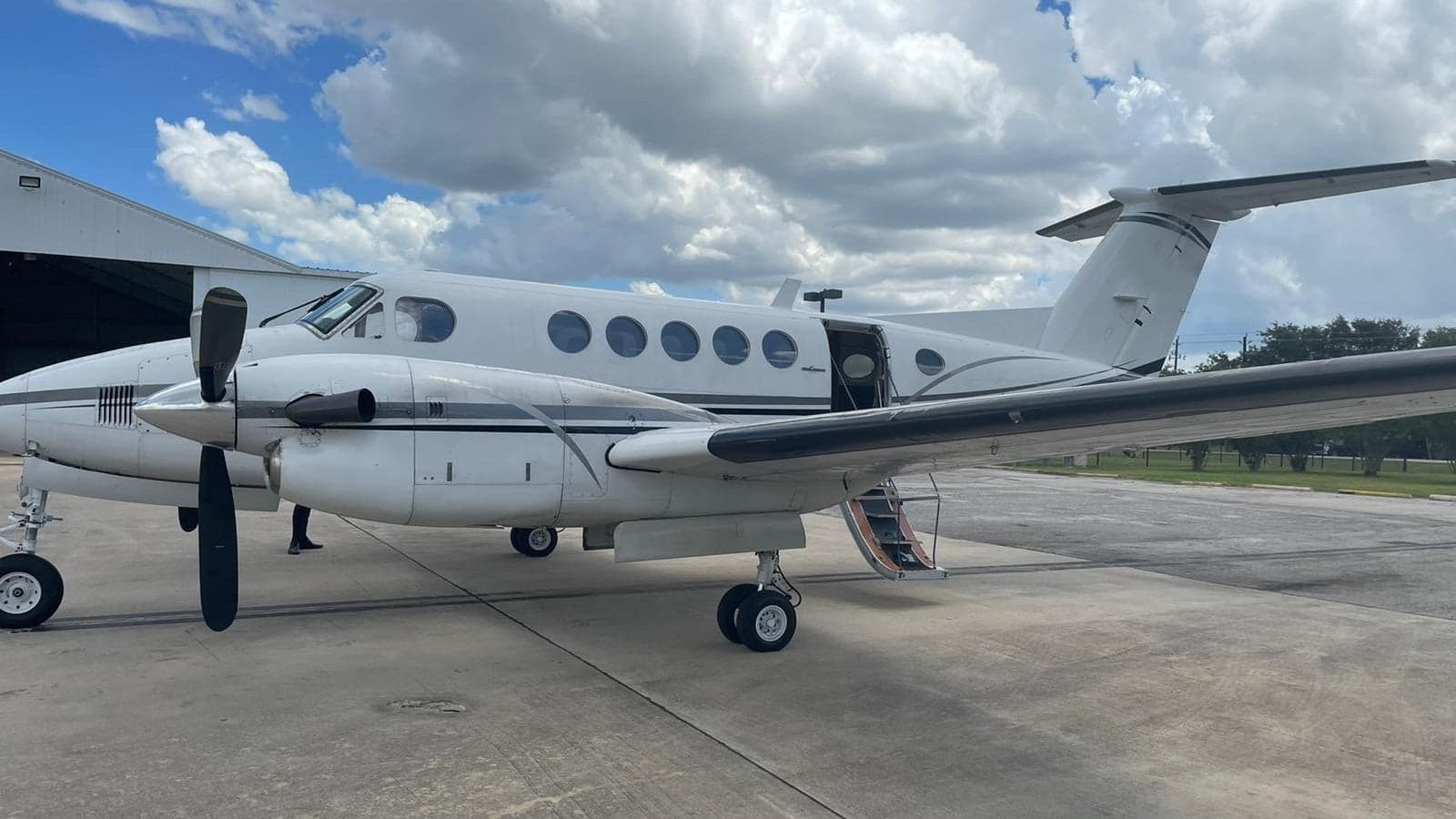
King Air 200
9 pax · 1,806 nm
Continue King Air 260 charter planning
Compare airport choices, route estimates and cabin categories, then request aircraft and direct-carrier options for your itinerary.
Turboprop Charter
Return to the published Turboprop model directory and compare adjacent aircraft.
Continue planningPrivate Jet Charter Pricing Guide
Review quote methodology; Turboprop pricing remains available only in a written proposal.
Continue planningAirport Planning Guide
Research airport and runway context before a direct carrier evaluates the actual trip.
Continue planningPrivate Aircraft Charter Safety
Review charter arranger, direct-carrier, operational-control and operator-vetting roles.
Continue planning