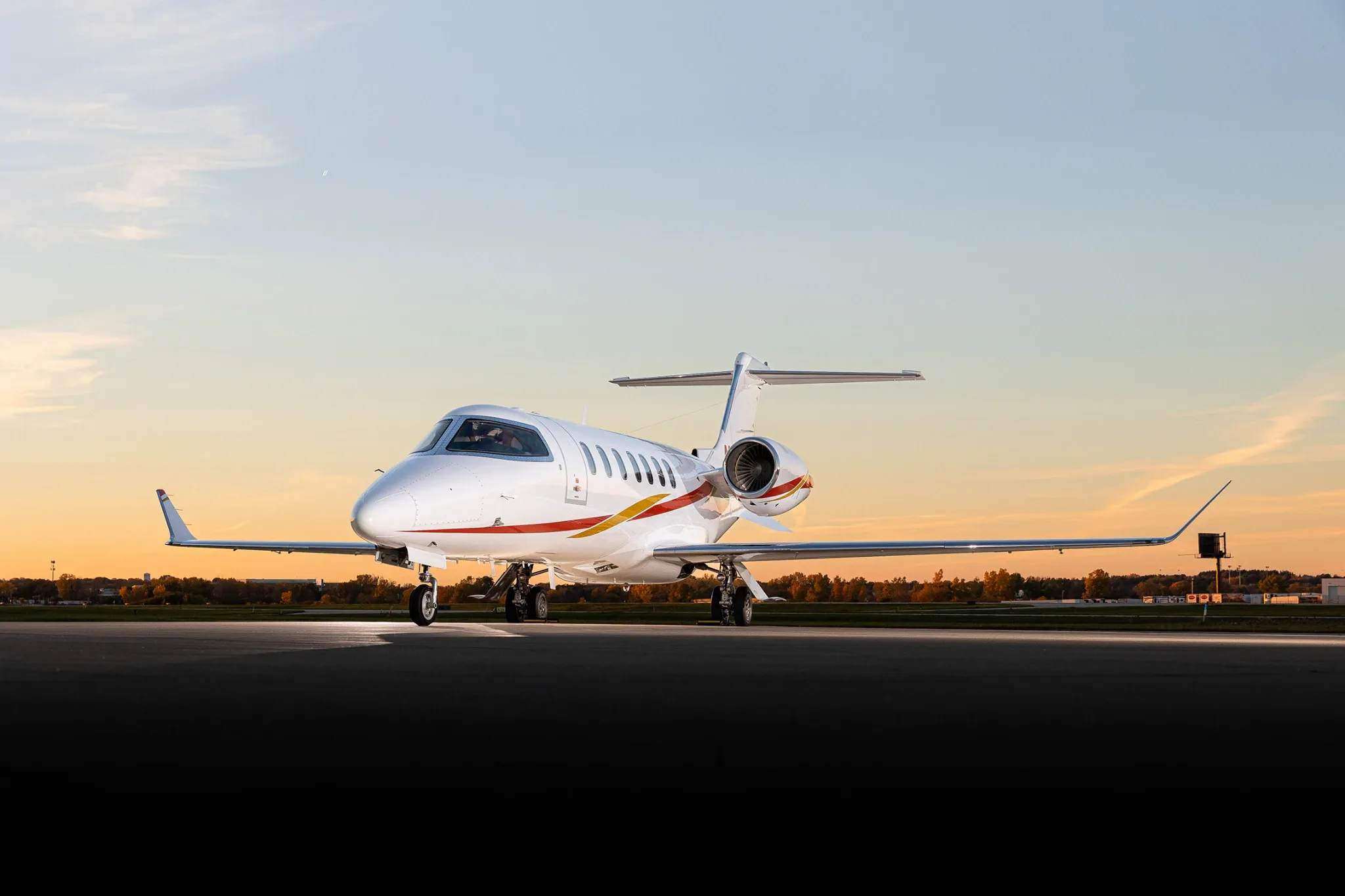
Learjet 70 Light Jet Charter Guide
Learjet 70 at a glance
Charter a Learjet 70 light jet. Compare its executive cabin, 65-cu-ft baggage, 2,060-nm tail reference, cruise performance and Garmin G5000.
Jet Partners arranges on-demand charter as a charter services arranger. The selected direct air carrier confirms the aircraft and retains operational control.
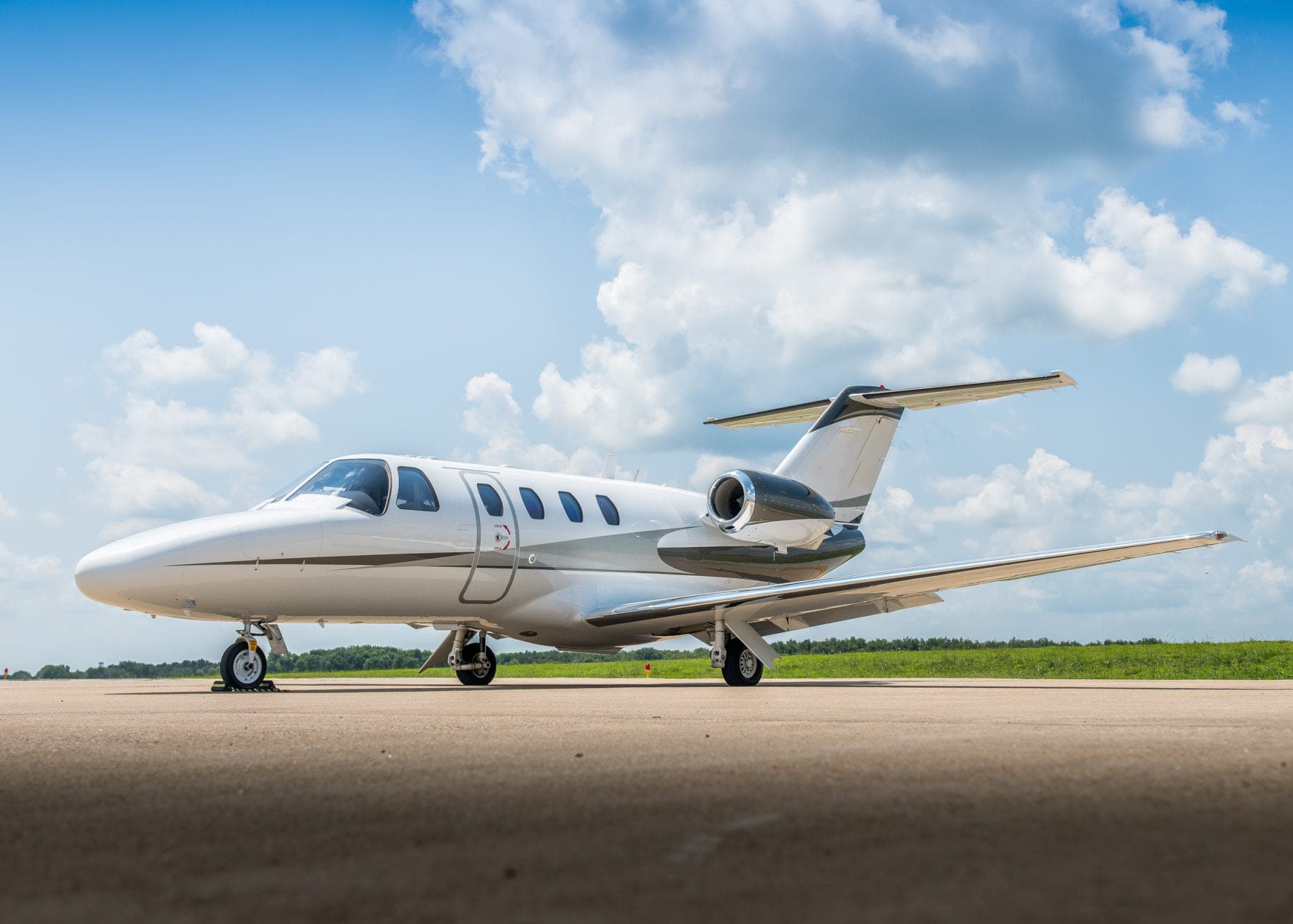
Learjet 70 gallery
Learjet 70 facts
Published model references; the proposed aircraft and trip determine final suitability.
- Range
- Up to 2,060 nm
- Reviewed Clay Lacy direct-carrier tail reference; passenger load, weather, routing and reserves affect the trip.
- Passengers / seating
- Six passengers on the reviewed Clay Lacy tail; approved layouts vary
- Cruise speed
- Approximately 502 mph (436 knots) normal cruise
- Cabin dimensions
- Cabin lengthApproximately 17 ft 8 inCabin width5 ft 1 inCabin height4 ft 11 in
- Luggage / baggage
- 65 cu ft combined
Learjet 70 charter specifications and market context
- Aircraft class
- Light Jet
- Manufacturer
- Bombardier Learjet
- Category hourly planning range
- $4,750–$7,000 per billable hour
- Years manufactured
- 2013–2019 for Learjet 70 production
The Learjet 70 applies the newer Learjet 75 winglet, engine and Garmin flight-deck package to the shorter Learjet 40-size cabin. It offers an upper-light charter option for travelers who prioritize speed and modern cockpit systems while carrying a smaller party than a typical Learjet 75 double-club layout.
Why the Learjet 70 remains a charter consideration
Bombardier certified the Learjet 70 alongside the Learjet 75 in 2013 as Model 75 variants derived from the earlier 40/45 platform. The 70 retained the shorter cabin while adopting canted winglets, TFE731-40BR engines and Garmin G5000 avionics. Production ended before Bombardier concluded the wider Learjet program, making current tail condition and support records important.
Overview and production sources
Light Jet category-level whole-aircraft planning range; not a live offer or a model-specific quote. Pricing was reviewed August 29, 2026 and the current planning policy is effective through November 30, 2026. Only a current written proposal confirms the aircraft, direct carrier, inclusions, conditional charges and total trip price.
Inside the Learjet 70
Duncan Aviation lists a Learjet 70 cabin 17 feet 8 inches long, 5 feet 1 inch wide and 4 feet 11 inches high, with 369 cubic feet of volume and 65 cubic feet of baggage. A reviewed Clay Lacy tail uses six passenger seats, and its cabin windows bring natural light to executive seats, worktables, a forward refreshment center and aft lavatory.
Individual controls and installed lighting support productivity. Outlets, Wi-Fi, entertainment and compartment access must be confirmed for the proposed aircraft.
- Seat configuration
- Six passengers on the reviewed Clay Lacy tail; approved layouts vary
- Cabin volume
- 369 cu ft
- Cabin dimensions
- Approximately 17 ft 8 in long × 5 ft 1 in wide × 4 ft 11 in high
- Baggage capacity
- 65 cu ft combined
Duncan Aviation model reference; confirm internal/external split, loading access and payload on the offered aircraft.
Learjet 70 range, cruise speed and flight deck
The reviewed Clay Lacy Learjet 70 tail publishes 2,060 nautical miles of range. Duncan Aviation lists 436 KTAS normal cruise for the model. Twin Honeywell TFE731-40BR engines, canted winglets and Garmin G5000 avionics distinguish it from the 40XR. Practical range and runway performance still depend on payload, temperature, field elevation, winds, routing and carrier reserves.
- Range reference
- Up to 2,060 nm
- Reviewed Clay Lacy direct-carrier tail reference; passenger load, weather, routing and reserves affect the trip.
- Cruise speed reference
- Approximately 436 KTAS normal cruise
- Duncan Aviation normal-cruise model reference; not trip-average groundspeed.
- Engines and efficiency context
- Two Honeywell TFE731-40BR turbofans
- Fuel use depends on the installed engines, thrust, altitude, payload and cruise settings. An engine model alone does not predict trip fuel use.
- Avionics
- Garmin G5000 integrated flight deck with touchscreen controllers
- Aerodynamic design
- Swept wing with canted winglets derived from the Model 45/75 platform
Is the Learjet 70 right for your charter?
The Learjet 70 can suit a six-person regional or selected longer trip that values a flat floor and a newer flight-deck generation. Jet Partners can request and compare a specific Lear 70. However, the tail, approved seats, amenities, operator, availability, firm price and terms must appear in writing.
Jet Partners compares trip-specific proposals as a charter services arranger.
Confirm these details in writing
- Aircraft, cabin layout, passenger count and baggage fit.
- Named direct air carrier and available trip-specific safety information.
- Runway, payload, weather, routing and possible technical-stop limits.
- Total price, inclusions, conditional charges and cancellation terms.
The properly licensed direct air carrier identified in the proposal retains operational control and makes the final flight-operational decisions.
Questions about chartering the Learjet 70
How many passengers can the Learjet 70 carry?
What is the charter range of the Learjet 70?
What type of charter mission suits the Learjet 70?
How much does it cost to charter the Learjet 70?
What cabin amenities are available on the Learjet 70?
Who operates a flight on the Learjet 70 arranged through Jet Partners?
Learjet 70 technical sources
This profile was reviewed August 28, 2026 using the sources below. They include manufacturer, regulator, operator-provided and other technical references. Performance and cabin figures are planning references. The proposed aircraft records and direct carrier control the accepted trip.
Some external technical or market references contain aircraft purchase values or operating-cost estimates. Those third-party figures are not Jet Partners charter quotes and are not reproduced on this page.
View reviewed references
European Union Aviation Safety Agency
TCDS EASA.IM.A.020 — Learjet 40, 45, 70 and 75 variants
Reviewed August 28, 2026 for production, engines.
Clay Lacy Aviation
Learjet 70 N106GK direct-carrier aircraft specification
Reviewed August 28, 2026 for cabin, performance.
Duncan Aviation
Business Jet Model/Market Summary — Light Jet reference data
Reviewed August 28, 2026 for production, cabin, performance, avionics.
Bombardier
Bombardier annual information form — conclusion of Learjet production
Reviewed August 28, 2026 for history, production.
Compare more light jets
Compare model-level cabin and performance references, then request the actual aircraft, direct carrier and written trip terms that fit the itinerary.
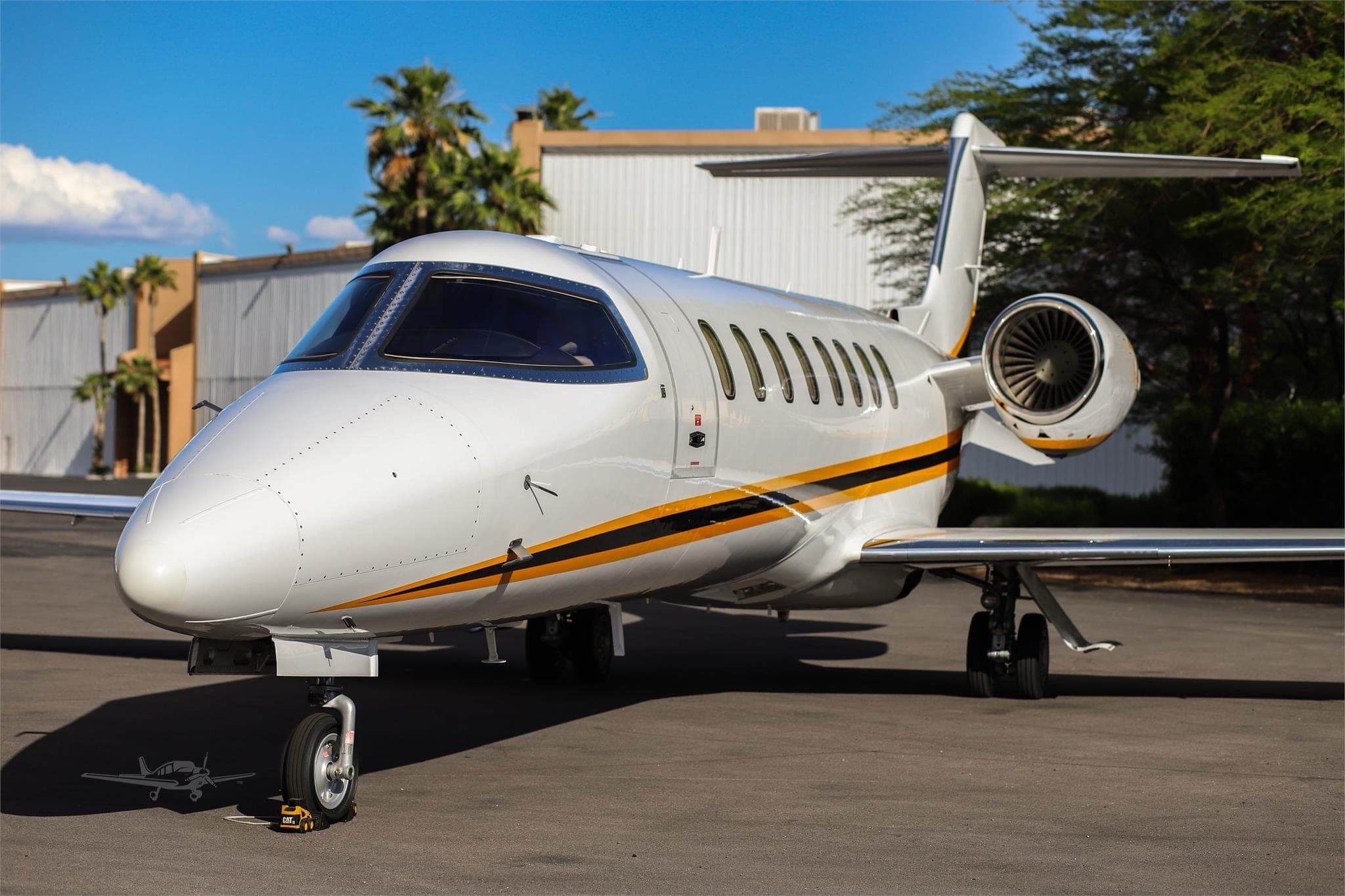
Learjet 75
8 pax · 2,040 nm
Model-matched 3D tour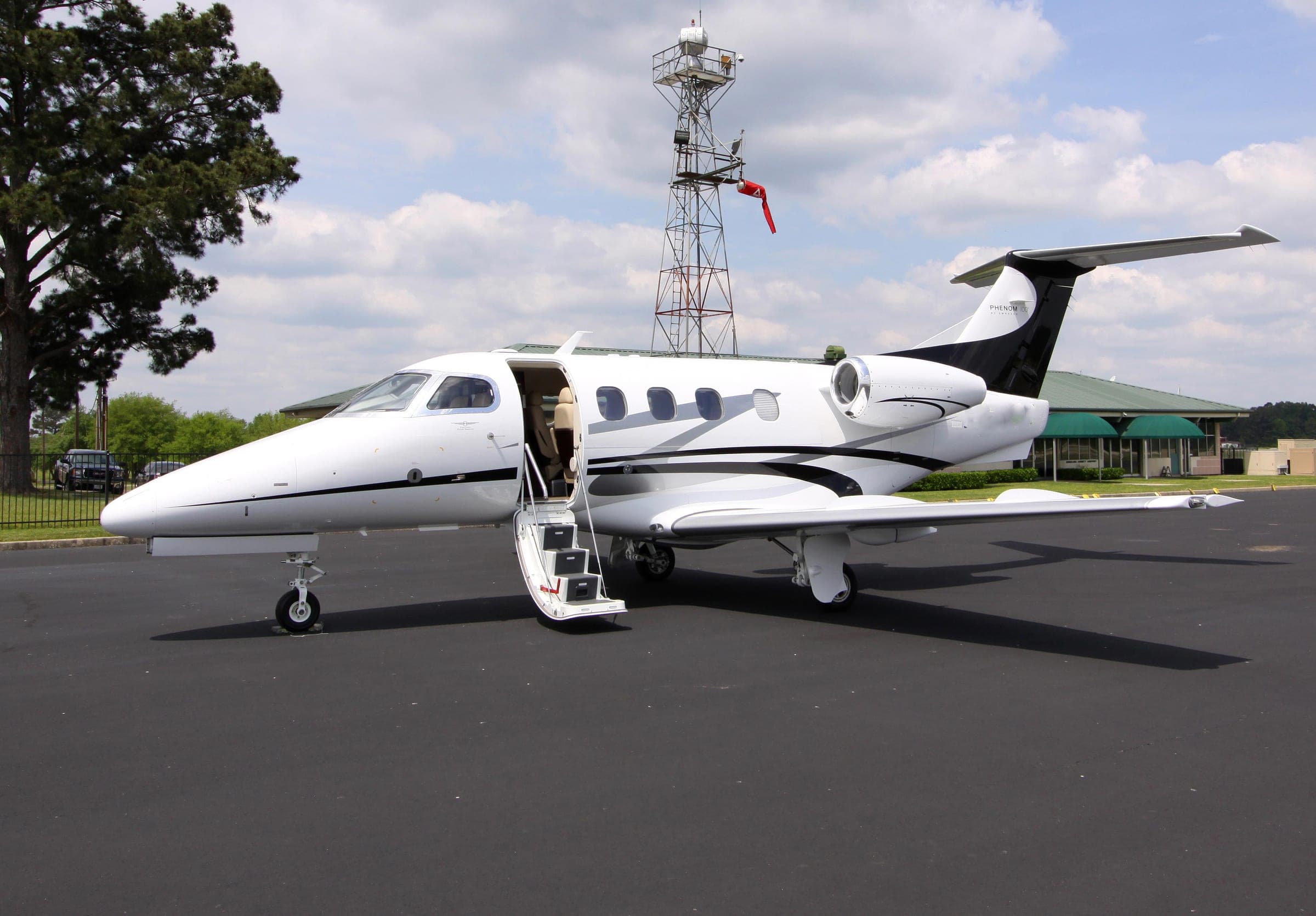
Phenom 100
4 pax · 1,178 nm
Model-matched 3D tour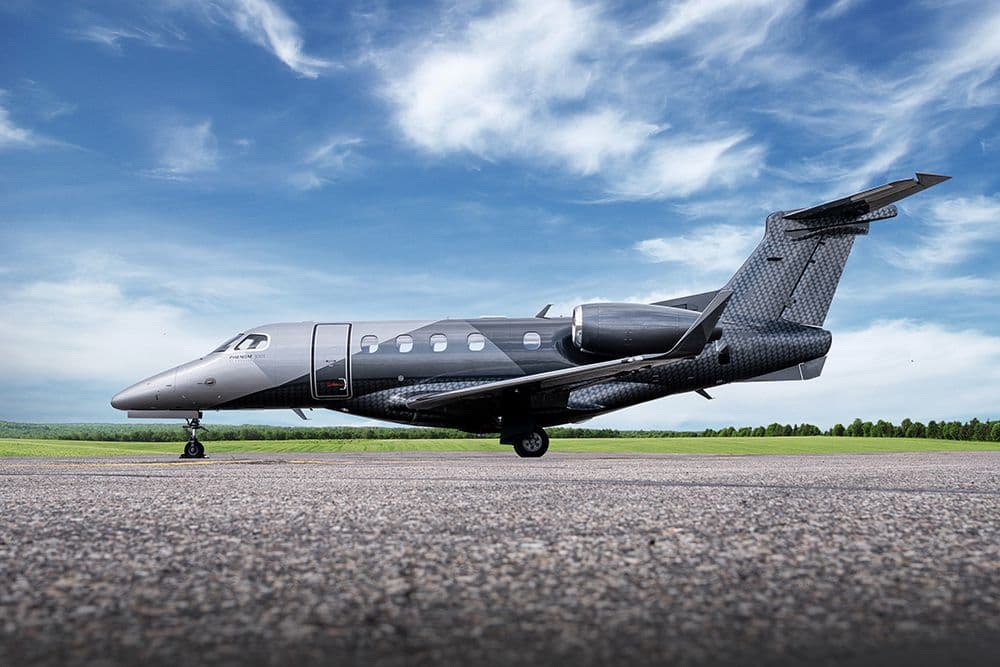
Phenom 300
8 pax · 1,971 nm
Model-matched 3D tour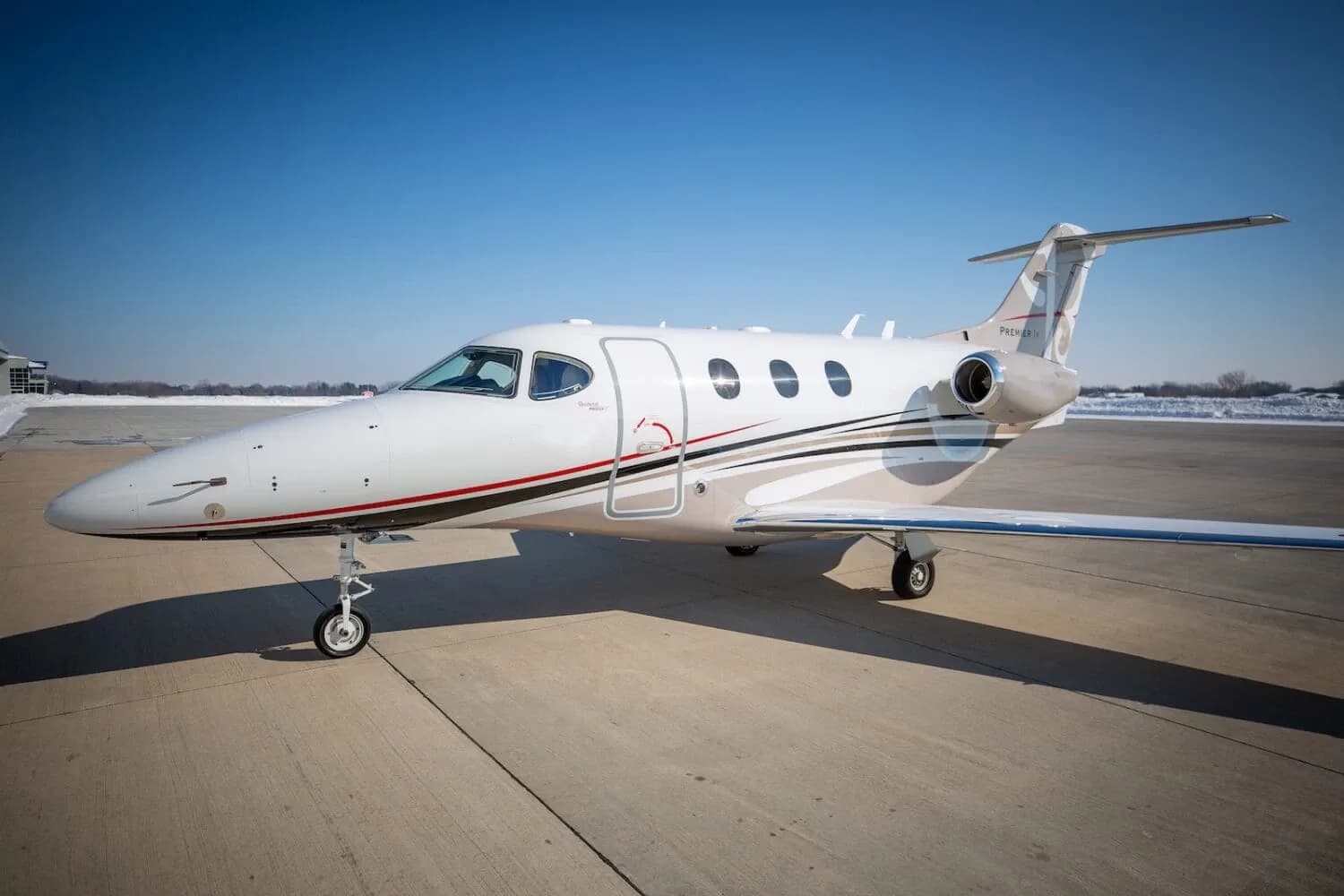
Premier I
6 pax · 1,325 nm
Model-matched 3D tour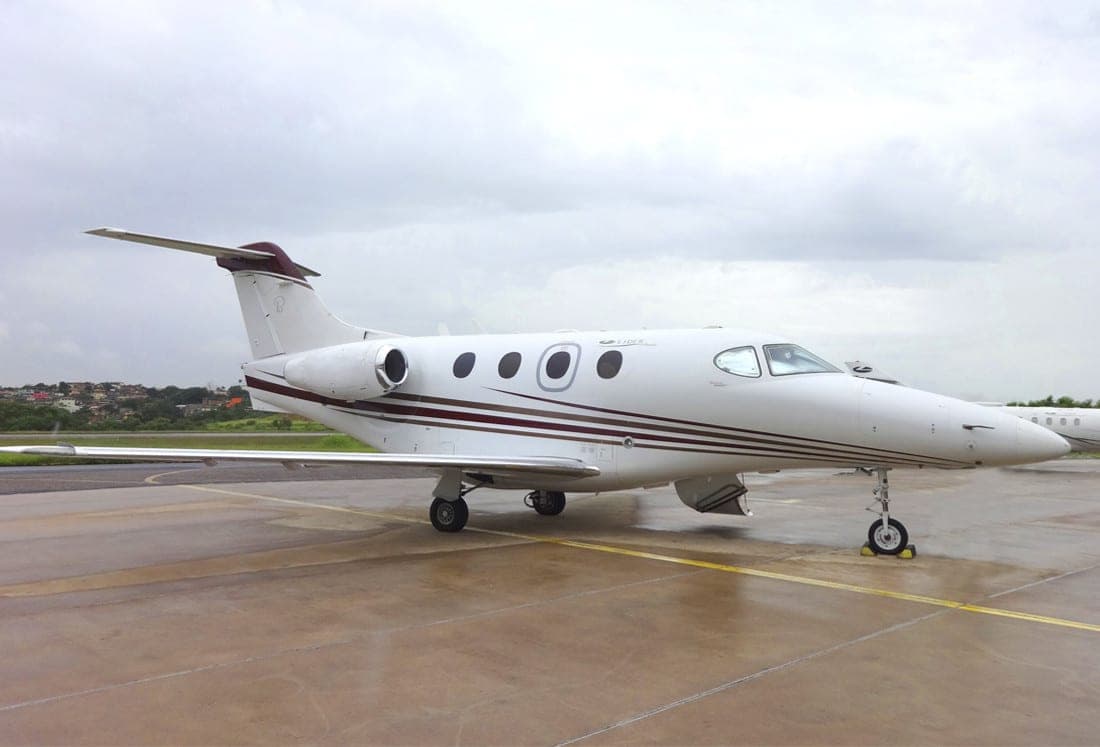
Premier IA
7 pax · 1,131 nm
Model-matched 3D tour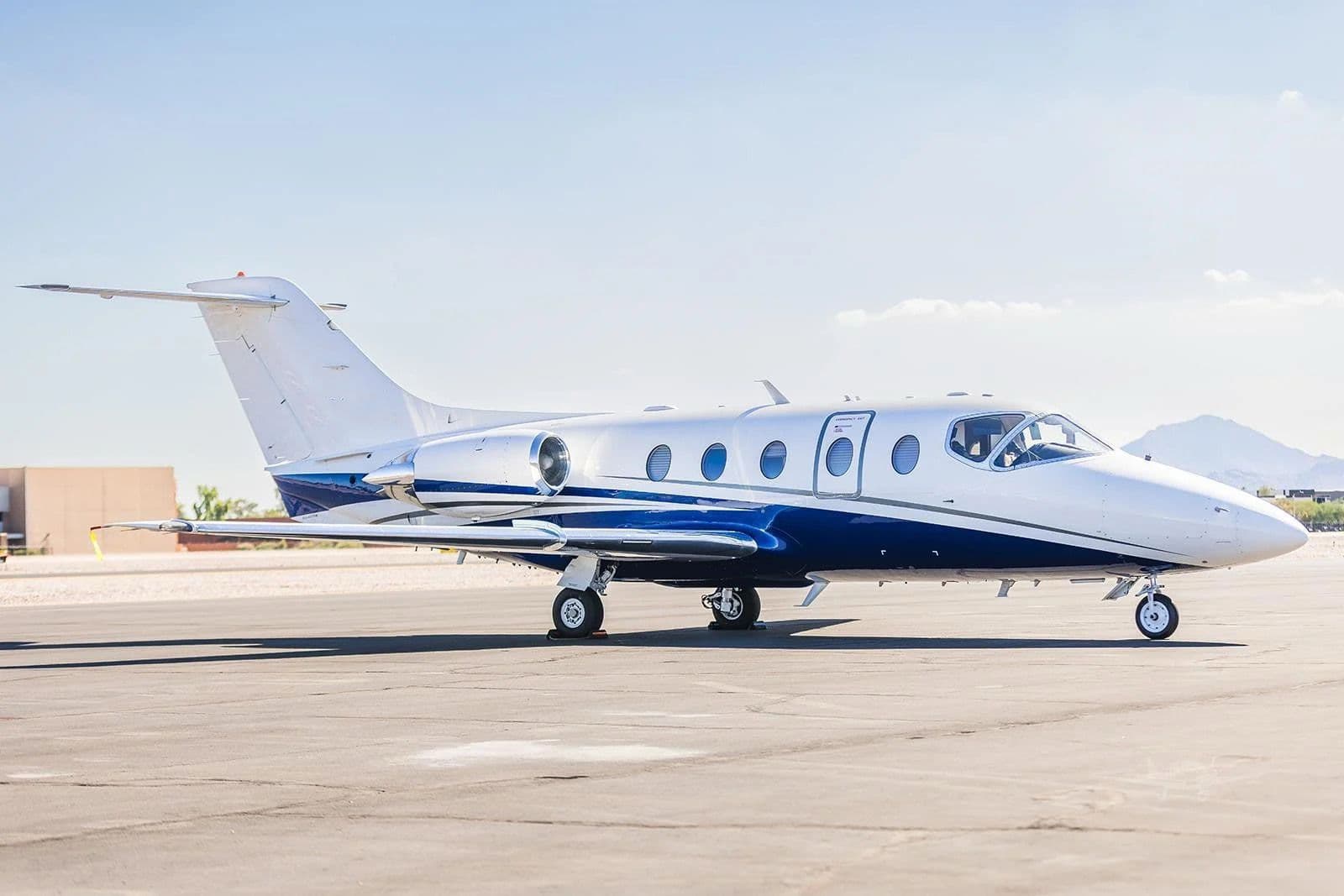
Beechjet 400
8 pax · 1,358 nm
Model-matched 3D tour
Cessna Citation Bravo
8 pax · 1,495 nm
Cessna CitationJet / CJ1
6 pax · 1,302 nm
Continue Learjet 70 charter planning
Compare airport choices, route estimates and cabin categories, then request aircraft and direct-carrier options for your itinerary.
Light Jet Charter
Return to the published Light Jet model directory and compare adjacent aircraft.
Continue planningPrivate Jet Charter Cost Calculator
Compare route estimates, cabin-class planning ranges, taxes and fees before requesting a written trip price.
Continue planningNew York Private Jet Charter
Review airport choices and mission-planning questions for a major charter market.
Continue planningPrivate Jet Charter Safety
Review charter arranger, direct-carrier, operational-control and operator-vetting roles.
Continue planning