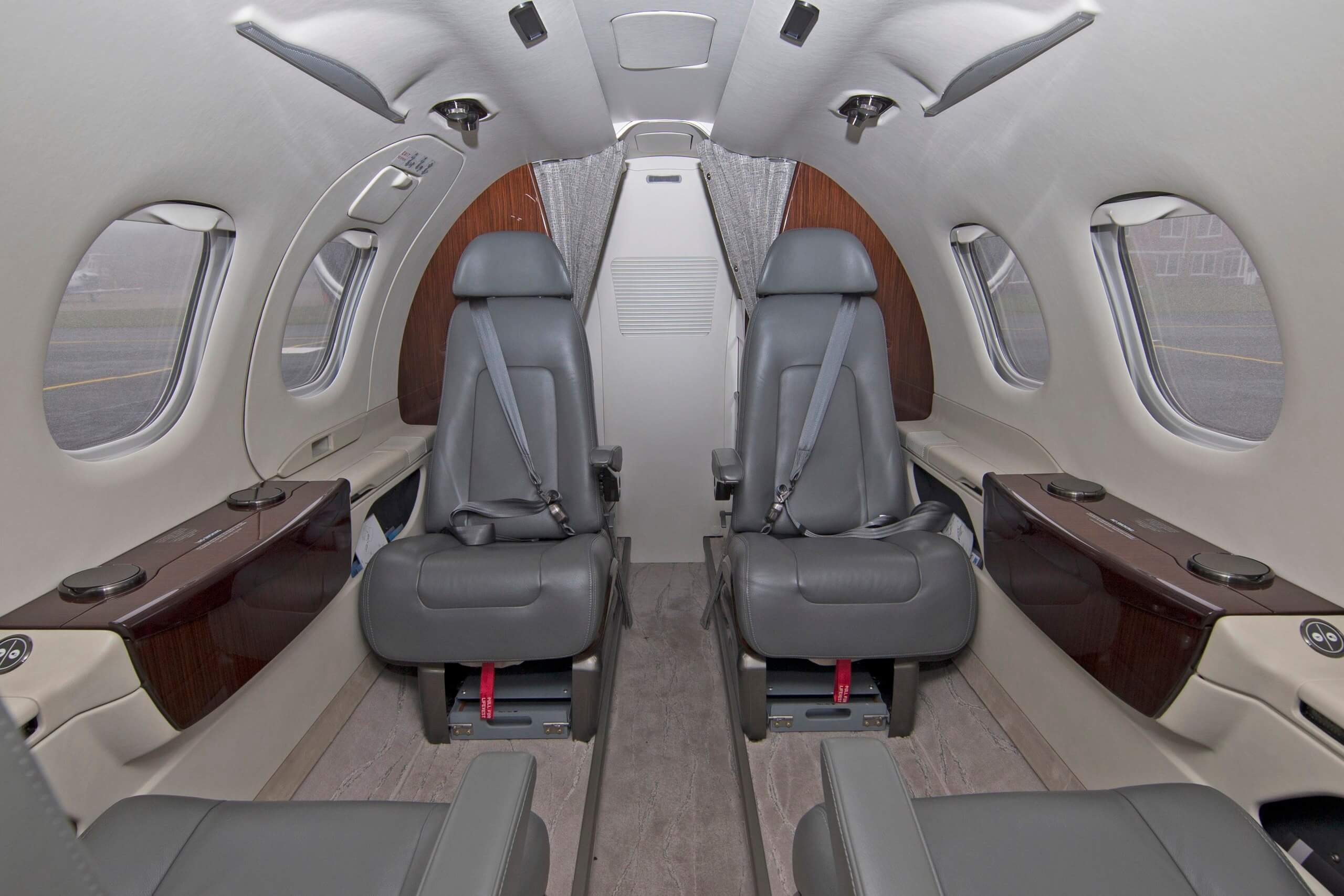
Archive note: This page was first published in 2013. Pet policies, entry rules, aircraft configurations, and operating procedures change, so the original generalizations have been replaced with a trip-specific checklist.

Traveling with an animal can involve direct-carrier, aircraft, airport, and destination-specific requirements. Cabin acceptance is not universal. The animal's species, breed, size, weight, behavior, health documents, carrier or restraint system, and destination rules must be reviewed for the proposed trip.
Details to provide before requesting a proposal
- Species, breed, age, weight, and number of animals.
- Carrier or restraint dimensions and any mobility or service-animal needs.
- Vaccination, health-certificate, microchip, import, export, quarantine, or permit requirements.
- Passenger count, baggage, route, dates, and any connecting ground transportation.
- Questions about cabin placement, movement, relief, cleaning, and fees.
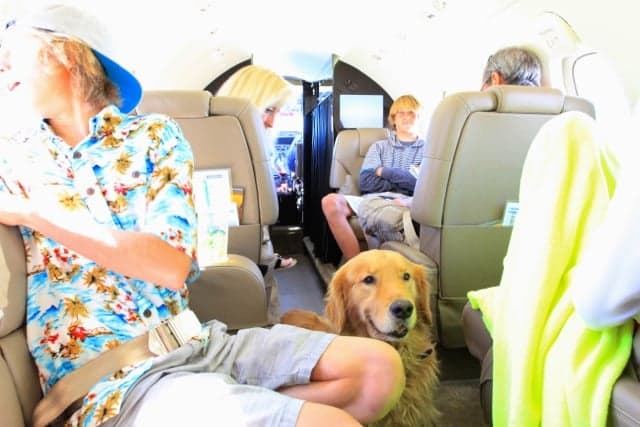
The direct carrier should confirm where the animal may travel and how it must be secured during taxi, takeoff, turbulence, landing, and other phases of flight. Travelers should also verify current requirements with the relevant destination authorities and obtain veterinary guidance for the individual animal; this article is not veterinary or regulatory advice. Use the current pet-friendly private jet charter checklist to coordinate carrier acceptance, cabin fit, airport handling, and destination documents before requesting a proposal.
Turn pet details into a flight confirmation brief
Before accepting a proposal, ask for a written response covering the animal, equipment and offered aircraft together. The FAA advises travelers to check the carrier's pet policies. For a charter, have the identified direct air carrier confirm the arrangement for the actual flight; a general pet-friendly description does not confirm your cabin plan.
Use the same brief when comparing proposals:
- Pet and equipment: List each animal's weight and standing dimensions. Give the carrier or crate's exterior length, width, height and loaded weight, plus the proposed restraint system. State any boarding assistance needed; do not assume that a crate fitting inside the cabin will also fit through its entrance.
- Offered aircraft: Ask which aircraft and cabin configuration the response covers, with the registration when assigned. Have the operator check the boarding path, approved placement and remaining passenger and baggage space. Ask whether the proposed carrier or restraint is accepted and who supplies it.
- Cabin procedure: Ask where the pet must remain and how it will be secured during each phase of flight. Confirm any limits on movement, the crew's instructions, cleaning charges and conditions that would prevent carriage. Do not treat permission to travel in the cabin as permission to roam freely.
- Each itinerary leg: Record airports, local arrival dates, transit stops and the return journey. Identify who will check the documents, applicable deadlines and any arrival or ground-handling arrangements. Mark unanswered items as pending before accepting the trip terms.
Carrier acceptance and border entry are separate checks. USDA APHIS explains that destination and transit requirements vary; one certificate does not cover every country. Ask your veterinarian and the relevant authorities to verify the full itinerary early. For dogs entering or returning to the United States, use the CDC Dog Importation Navigator to identify the requirements for that dog's travel and vaccination history.
Recheck the plan if the aircraft or itinerary changes
Keep the confirmation brief with the written proposal. If an aircraft substitution, different airport, added stop or date change is proposed, ask which pet arrangements and documents need renewed confirmation. An acceptance for one aircraft and itinerary should not be assumed to transfer to another. Resolve any changed fit, restraint, entry or fee conditions before agreeing to the revised trip.
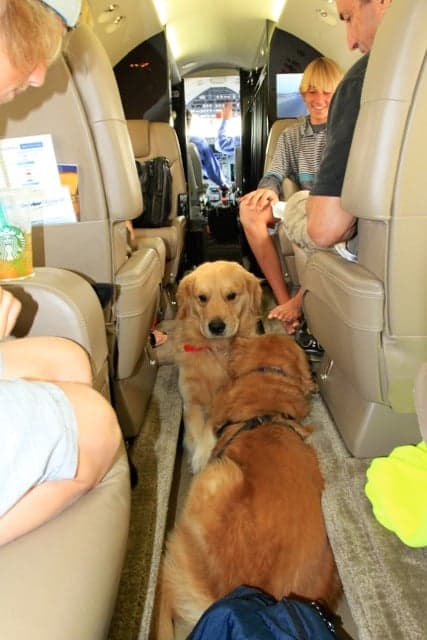
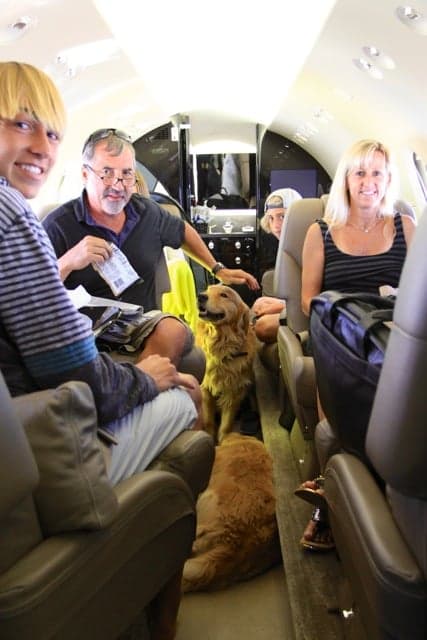
Jet Partners accepts requests that include pets, but acceptance, aircraft, schedule, pricing, fees, and requirements remain subject to a written trip-specific proposal. Jet Partners acts as a charter services arranger under 14 CFR Part 295, not as a direct air carrier, and does not exercise operational control. The properly licensed direct air carrier identified for an accepted trip operates the flight and sets the applicable cabin and safety procedures. Request a proposal with pet details.