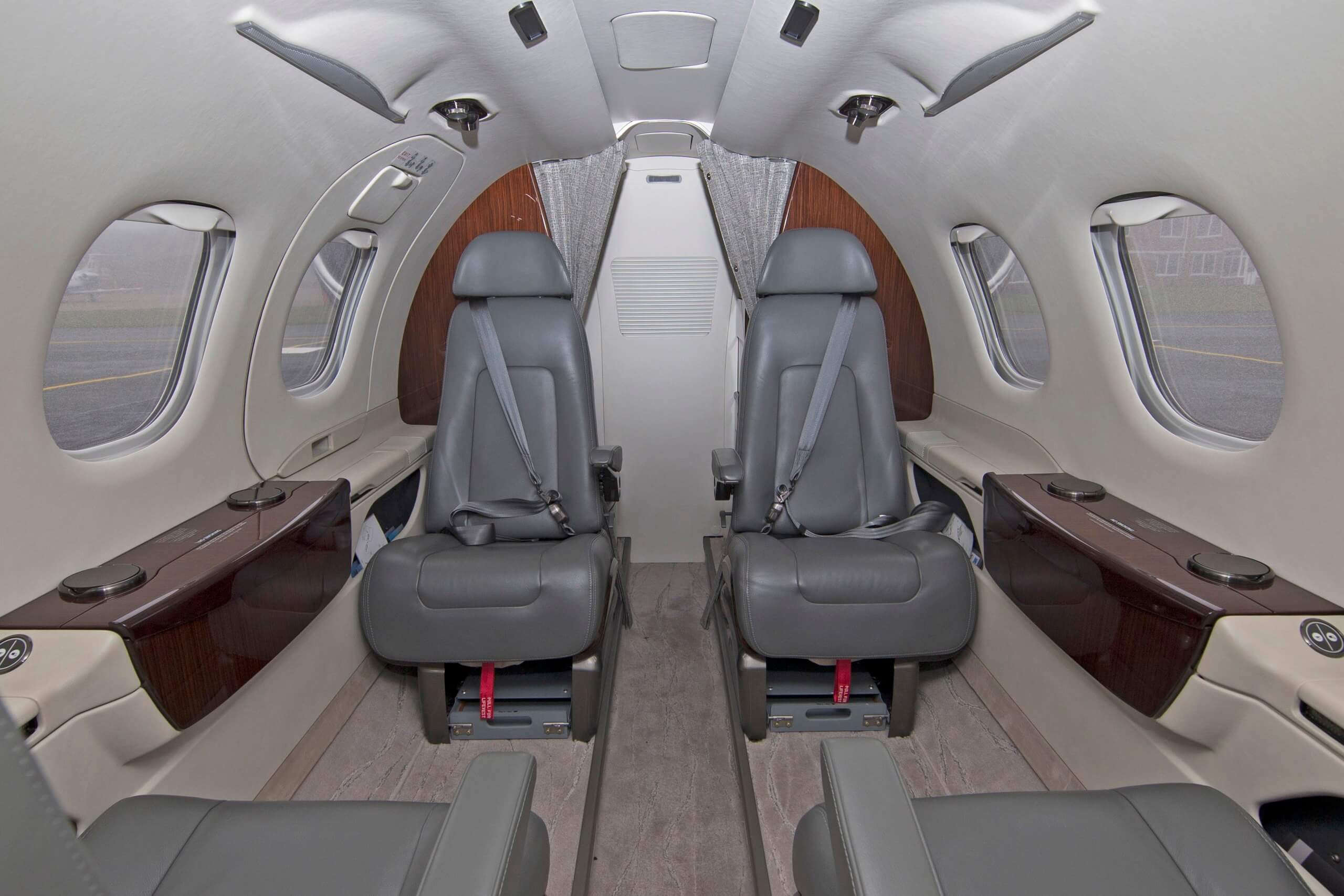
"Eight passengers and one car seat" is not a complete seating brief. A restraint may be approved for aircraft use without fitting the seat proposed for that child. A roomy cabin or an empty passenger position does not settle the question.
This guide covers the child-restraint brief for a U.S. Part 135 charter, not device selection or installation. For a group trip, one coordinator can collect the details and keep the carrier's confirmed arrangement with the travel instructions. The group charter guide covers the wider passenger and itinerary brief.
Identify the child and the device
Provide each child's age, height and weight, plus the restraint's make, model and current manufacturer instructions. Include clear photographs of its approval labels and identify the exact device you intend to bring. A motor-vehicle approval label alone does not establish aircraft approval.
The FAA explains the aircraft-use labeling requirements. The Part 135 rule also recognizes specified alternative approvals, including qualifying foreign approvals and separately approved devices. Ask the carrier to check the actual labels and approval route rather than treating every car seat, booster, harness or baby carrier as interchangeable.
State whether the child will use the device during flight or it will travel as baggage. Storage acceptance is not confirmation that a device can be used as an occupied restraint. If it is baggage, include its dimensions and storage needs in the bag-and-load brief.
Ask for the restraint-to-seat check
Ask the proposed direct air carrier which approved aircraft seat or berth will be assigned and whether the device can be secured there under its current instructions and approval conditions. The carrier needs to check the actual seat, restraint equipment and location, including clearance for exits and passageways. A cabin photograph or aircraft model name cannot establish that fit.
Keep the aircraft seat's orientation separate from the direction in which the child sits in the restraint. The general Part 135 provision calls for a qualifying restraint to be secured to an approved forward-facing aircraft seat or berth. That is not an instruction to turn every child restraint forward. Separately approved devices have their own conditions; this guide does not determine the permitted orientation or installation for any device.
Keep this request specific to the child and restraint. If the aircraft, assigned position or device changes, have that arrangement checked again. General cabin-layout, passenger-capacity and sleeping questions are separate from this device-to-seat check.
Separate permission from the FAA recommendation
The FAA strongly recommends an approved child restraint in the child's own seat throughout the flight. The Part 135 permission for certain children under two to be held by an adult is not the FAA's safety recommendation.
Part 135 also protects use of a qualifying parent-, guardian- or attendant-supplied restraint when the stated conditions are met. These include an approved seat or berth made available for the child, the required accompanying adult, proper securing of the device and child, the device's weight limit and appropriate labels. The carrier may determine the most appropriate seat location consistent with safe operating practices. Its review is a compliance and fit check, not a blanket right to reject every child seat.
Ask about an unresolved condition before accepting the proposal. Do not treat an unused cabin position or permission to carry the device as baggage as confirmation of an occupied restraint arrangement.
Keep the confirmed arrangement with the trip brief
Before circulating travel instructions, record:
- the child and exact device details supplied for review;
- the aircraft and assigned seating arrangement checked by the carrier;
- the carrier's confirmation of the labels, approval and permitted installation;
- any information or condition still to be settled before travel;
- what needs renewed review if the aircraft, device or passenger plan changes.
Aircraft and ground-vehicle restraints are different requests. For example, the FAA's CARES guidance concerns an aircraft-only restraint, not a car restraint. Confirm the ground-transfer arrangement separately rather than assuming one device covers both journeys.
Follow the crew's directions and current manufacturer instructions. Tell the charter contact about a changed device or passenger requirement before boarding instead of substituting another product without review.
Jet Partners arranges charter services and is not a direct air carrier. The properly licensed direct air carrier identified for an accepted trip operates the flight and retains operational control.
Request a trip-specific charter proposal with the itinerary, passenger list and child-restraint details so the arrangement can be checked before an aircraft is accepted.