
Analytics preferences

Analytics and ads measurement are optional, separate choices. Personalized ads stay off.Google Analytics is optional. Accepting lets us measure page use and successful quote requests without contact details. Ads measurement is a separate choice: it lets Google connect ad clicks to successful requests using advertising cookies and click IDs. Personalized ads remain off. Read our privacy policy.

Privacy notice

We use analytics and ads measurement cookies. Personalized ads stay off. Opt out anytime.We use Google Analytics and Google Ads measurement (cookies and ad click IDs) to understand site use and see which ads lead to quote requests. Personalized ads stay off. You can opt out at any time. See our privacy policy.

Skip to main content

Strong Jet Streams and Groundspeed: A 2019 Archive

An archived 2019 discussion of strong jet streams, aircraft groundspeed, and why a reported groundspeed is different from airspeed or a reusable flight-time estimate.

Illustration of a private jet above swirling clouds
By , Co-Founder
How to use our sources and dates

Archive note: This page was published in March 2019 after reports of unusually high aircraft groundspeeds. The original airline, aircraft, record, percentage, and city-pair timing statements were not supported by durable primary sources and have been removed.
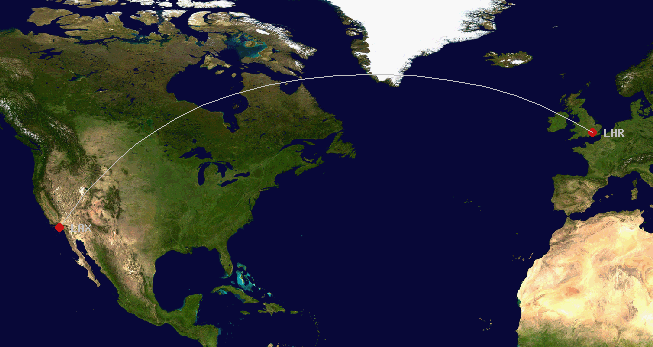
Illustration of flight paths across the North Atlantic

A strong tailwind can increase groundspeed, while a strong headwind can reduce it. Groundspeed is the aircraft's movement relative to the ground; it is not the same as airspeed, and a high reported groundspeed does not mean the aircraft exceeded its certified airspeed limit.

Jet-stream position and strength change with atmospheric conditions. A historical observation cannot be reused as a flight-time estimate for another date or route. Estimated block time must account for the actual route, forecast winds, aircraft, air traffic, airports, and operating plan, and it remains subject to change.