Archive note: This article was first published in 2014. The original general advice about children and pets has been replaced because restraint, seating, carrier, and documentation requirements depend on the direct carrier, aircraft, phase of flight, and destination.
Good charter etiquette starts with accurate trip information and compliance with the flight crew's instructions. Share the complete passenger list, baggage, catering requests, accessibility needs, and any animals traveling before accepting a proposal. A request is not confirmation that a particular cabin feature or service will be provided.
Before departure
- Confirm identification, travel documents, baggage limits, prohibited items, and the reporting time supplied for the trip.
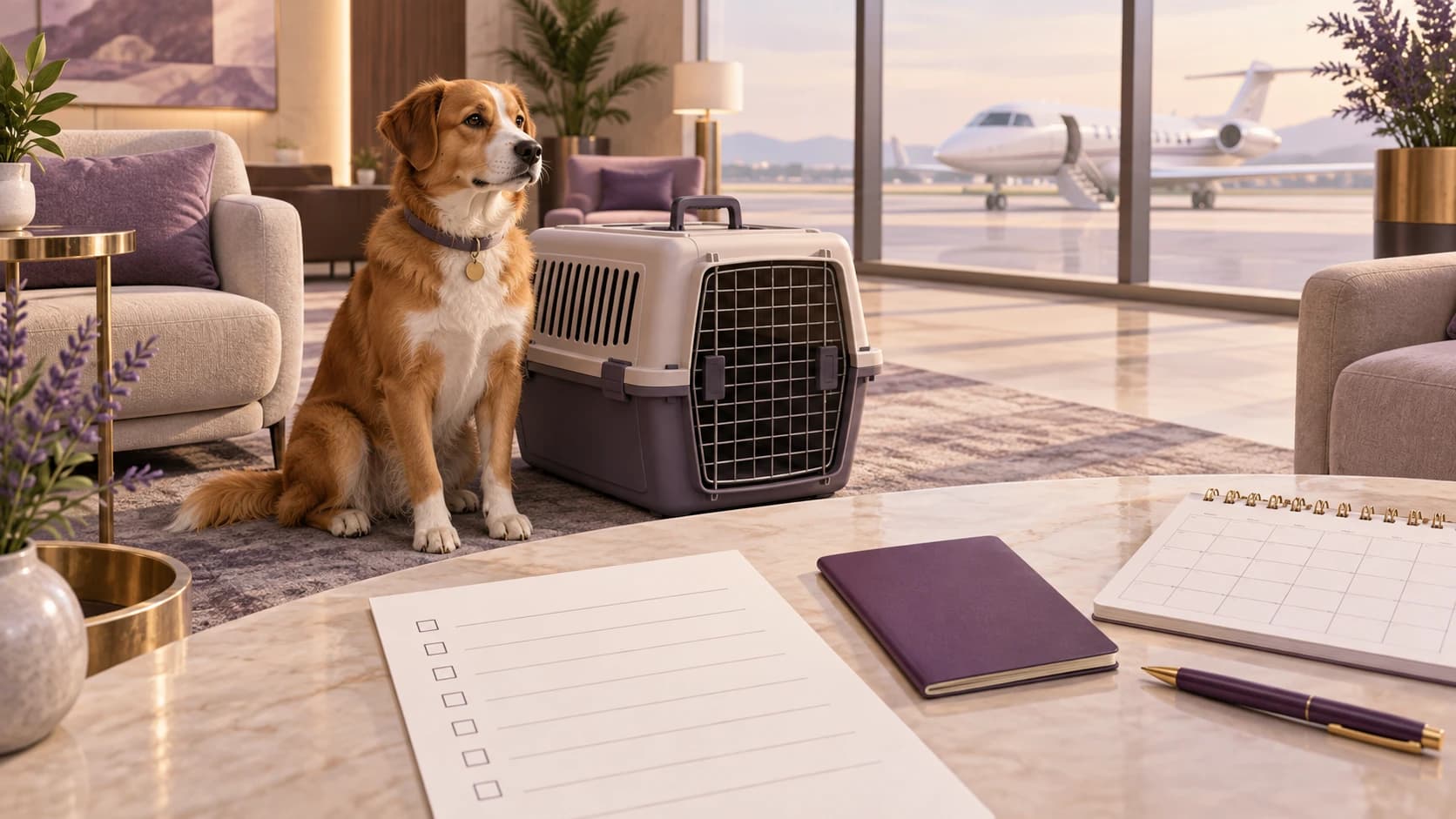
- Disclose pets or service animals, including species, size, weight, carrier dimensions, veterinary documents, and destination requirements.
- Ask how children and animals must be seated or restrained during taxi, takeoff, turbulence, landing, and any other phase identified by the crew.
- Confirm catering, connectivity, sleeping, accessibility, or ground-transportation requests on the exact proposed aircraft.
On board
Follow all crew instructions, posted signs, and direct-carrier procedures. Keep aisles and exits clear, use approved seats or restraint systems when directed, and ask before moving pets, opening food, or using cabin equipment. Courtesy is useful, but it does not override an operating rule or a crew instruction.
Give the group one confirmed set of instructions
For a group trip, choose one coordinator to collect requirements and distribute the final travel details. Ask every traveler about baggage, mobility or boarding needs, dietary requests and any equipment they plan to bring. Pass those requirements to the charter arranger early enough for the proposed carrier to respond.
For itineraries with enough travelers or baggage to require a larger cabin, use the group charter planning page to compare aircraft categories, airports, schedule and ground handling before the coordinator circulates the final plan.
After the trip details are confirmed, send the group a concise departure note containing the airport, handling location, reporting time, trip contact and the identification or travel-document instructions supplied for the itinerary. Keep the reporting time distinct from the flight's planned departure time.
A useful final check is to ask each traveler whether anything has changed since the proposal was accepted. An additional passenger, a larger bag or a newly requested animal should be raised for review rather than treated as an automatic addition.
Ask before making cabin assumptions
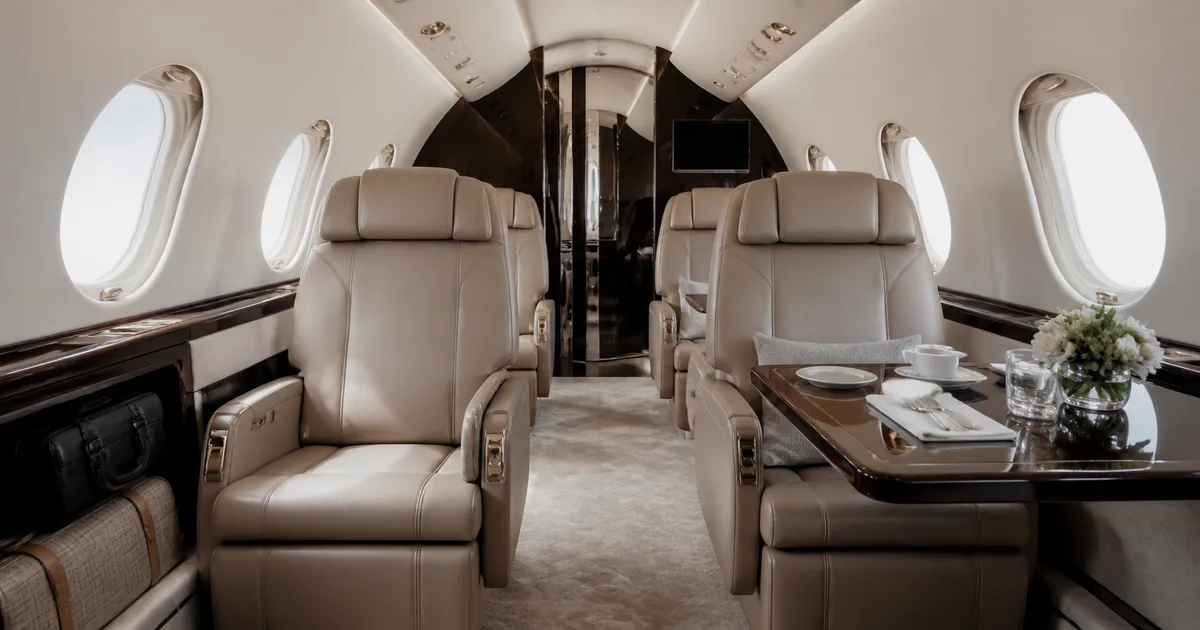
Explain what the group hopes to do during the flight: work, share a meal, rest or travel with a child. Ask the carrier to confirm the relevant cabin arrangements and crew instructions for the exact aircraft. Seat layout, power, connectivity and catering are separate questions; confirmation of one does not confirm the others.
The FAA's charter passenger guidance is a useful source for understanding the operator's role. On the day, direct questions about boarding and cabin procedures to the crew and follow the instructions they provide.
For a first charter request, use the aircraft guide to organize cabin and baggage questions, then send the complete passenger brief.
Jet Partners acts as a charter services arranger under 14 CFR Part 295, not as a direct air carrier, and does not exercise operational control. The properly licensed direct air carrier identified for an accepted trip operates the flight and sets the applicable passenger, cabin, and safety requirements. Request a trip-specific proposal with every passenger, pet, baggage, and cabin requirement disclosed.